


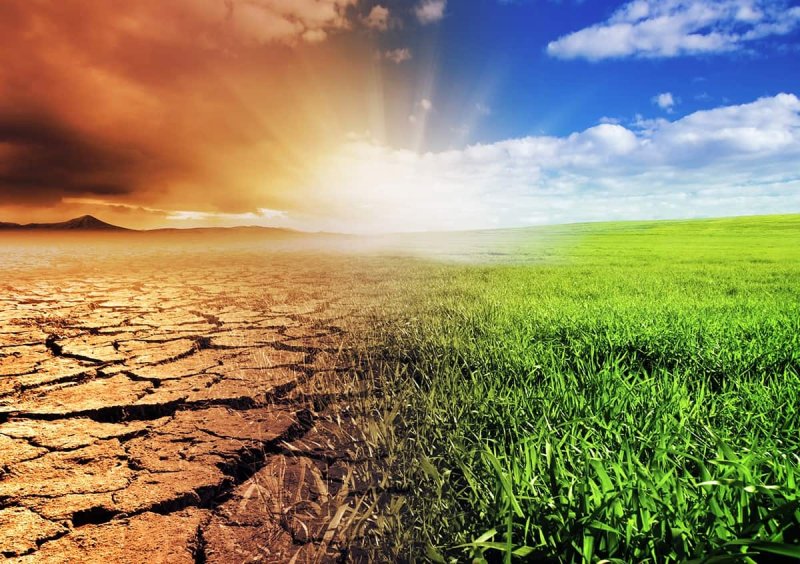

As climate change increasingly threatens agricultural production, expanding genetic diversity in crops is an important strategy for climate resilience in many agricultural contexts. In this Essay, we explore the potential of crop biotechnology to contribute to this diversification, especially in industrialized systems, by using historical perspectives to frame the current dialogue surrounding recent innovations in gene editing. We unearth comments about the possibility of enhancing crop diversity made by ambitious scientists in the early days of recombinant DNA and follow the implementation of this technology, which has not generated the diversification some anticipated.
We then turn to recent claims about the promise of gene editing tools with respect to this same goal. We encourage researchers and other stakeholders to engage in activities beyond the laboratory if they hope to see what is technologically possible translated into practice at this critical point in agricultural transformation.
…
A new hope: Gene editing for crop diversity
Leading plant scientists today praise innovative gene editing techniques as game-changing methods destined to fulfill aspirations for expanding crop genetic diversity through biotechnology. This fanfare sounds familiar, as scientists throughout the history of crop breeding have heralded various innovations in similar ways, most recently with the expectation that recombinant DNA would create paradigm-shifting possibilities. What, if anything, is different about the potential of gene editing technologies with respect to genetic diversity?





Gene editing … offers opportunities to radically rethink the breeding process in ways that enhance genetic diversity by “restarting” crop domestication. Crop domestication relies upon a combination of spontaneously occurring genetic mutations and artificial selection by humans. In wild rice, for example, grains shatter in order to widely disperse the seed. During rice domestication, a mutation arose that caused non-shattering grains, a trait beneficial for early agricultural societies and therefore selected for cultivation. Rice wild relatives today carry beneficial traits like adaptation to diverse growth environments but their grains still shatter.
…
Using biotechnology to expand crop genetic diversity will also require that researchers understand the many junctures in crop variety development and dissemination, especially those linked to seed commercialization, that work against such expansion. Addressing these obstacles will involve addressing issues as varied as farmer seed choice, seed certification processes, and international intellectual property regimes. It will require engaging with and developing further interdisciplinary and participatory research efforts to map infrastructural obstacles and to indicate actions that different stakeholders can take to facilitate genetic diversification.




























