There’s still a lot of confusion about how monkeypox spreads. Here is what we know so far

Credit: 
LloydsPharmacy
Credit: LloydsPharmacy

Monkeypox has spent most of its evolutionary history living inside Central and Western Africa’s small mammals — squirrels, rats, mice, and the true reservoir host, which remains unknown. It didn’t evolve to be good at infecting humans. So catching it requires getting a hefty dose of the virus, what scientists call a “high inoculum.”

Mis- and disinformation are distorting science and public policy. Subscribe to our Daily and Weekly Digests for incisive coverage of ‘disruptive’ innovations in AI, agricultural biotechnology, food, chemicals, nuclear energy, vaccines, and other disruptive innovations.

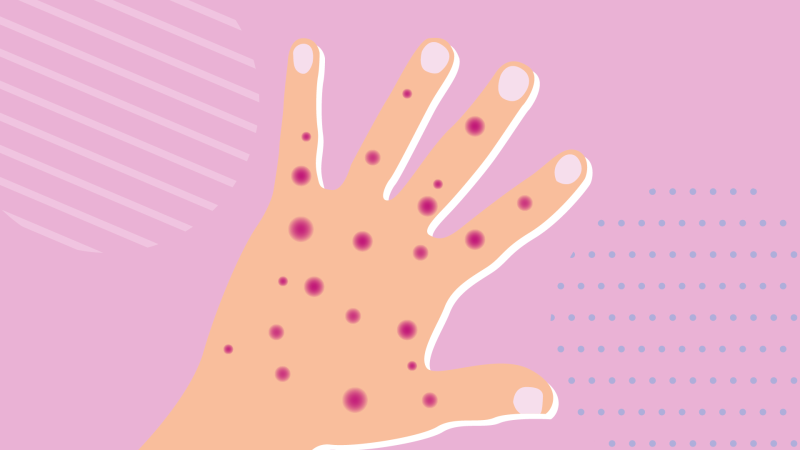
There are three ways you can be exposed to sufficient amounts of the virus to become infected: direct skin-to-skin contact with the lesions caused by the virus, touching contaminated objects, and close contact with respiratory secretions like saliva from a person with lesions in their mouth or throat. What’s clear from the epidemiological evidence so far is that the current monkeypox epidemic is being driven overwhelmingly by the first of these — in particular, close intimate contact between sexual partners.

What’s less clear is whether urine, feces, blood, semen, or vaginal fluids can spread the virus, the extent to which people without symptoms can infect others, and how much of a role inhaled respiratory particles are playing in transmission.

But many experts emphasized that while for most people the risk of contracting monkeypox right now is very low, public health officials should be taking this disease more seriously.


This is an excerpt. Read the original post here

Related Articles

Infographic: Global regulatory and health research agencies on whether glyphosate causes cancer

Infographic: Global regulatory and health research agencies on whether glyphosate causes cancer

Does glyphosate—the world's most heavily-used herbicide—pose serious harm to humans? Is it carcinogenic? Those issues are of both legal and ...

Most Popular

ChatGPT-Image-Sep-23-2026-02_36_39-PM
Viewpoint: After firing the entire National Science Board, Trump reshapes funding initiatives. Here’s the good and the bad.
ChatGPT-Image-Mar-10-2026-01_39_01-PM
Viewpoint—“Miracle molecule” debunked: Why acemannan supplements don’t work
sorghum farmers in kenya FARMERS TREND
Here are all the ways CRISPR gene editing is transforming Africa’s staple crops—and there’s a lot more innovation to come
ChatGPT-Image-Sep-10-2026-10_36_07-AM
Viewpoint: Even lousy scientific articles can shield authors when they hype dubious health claims and products
ChatGPT-Image-Sep-30-2026-01_38_36-PM
Viewpoint: Died “with measles” vs. died “from measles”: RFK, Jr.’s dangerously subversive word games
ChatGPT-Image-Sep-30-2026-01_25_34-PM
Blood tests for Alzheimer’s? The latest grifter, social media scam.
ChatGPT-Image-Sep-21-2026-03_15_09-PM
Viewpoint: Chipotle-inspired lesson: 10,000 sick customers suggest that processed foods can be safer than fresh ones
glp menu logo outlined

Get news on human & agricultural genetics and biotechnology delivered to your inbox.