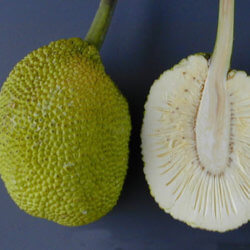
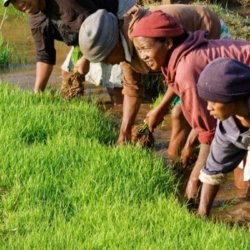
Scientists are using genomics to tackle malnutrition in Africa and more. The African Orphan Crops Consortium (AOCC), founded in 2011, promotes the production of nutritious orphan crops to consumers in Africa through the adoption of modern breeding methods for crop improvement purposes. The AOCC is based at World Agroforestry Centre (WAC) in Nairobi, Kenya. Its goal is to sequence, assemble and open-source the genomic data from over a hundred traditional African food crops to improve their nutritional content, productivity and climatic adaptability. These often-overlooked crops can potentially both increase farmer incomes and combat malnutrition and childhood stunting in the continent. “This is a very ambitious project to sequence assemble and annotate the genomes of 101 crops that haven’t been studied before,” explained WGA Director General Dr Tony Simons.
In 2017, it teamed up with US-based company Illumina, a specialist in DNA sequencing and array-based technologies. The project uses technology from Illumina, specifically the HiSeq 4000, which can sequence up to 12 genomes, 100 whole transcriptome samples, or 180 exomes in three and a half days or less.
AOCC Founder Howard-Yana Shapiro estimated this technology would dramatically speed up its plans. “I thought it would take me 17 years to complete the work,” he said. “With this machine it will take maybe three or four years. It’s a startling change in capabilities.” The AOCC plans to train hundreds of plant breeders in Africa in order to be able to breed new lines of more nutritious plants. “In 10 years, these 101 crops will be the fundamental basis for the African food system,” said Shapiro.