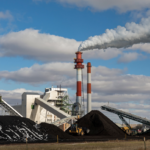
According to a landmark report issued by the Intergovernmental Panel on Climate Change (IIPC), approximately nine years remain to limit climate change catastrophe — with significantly worsened risks of drought, floods, extreme heat and poverty for hundreds of millions. Eight out of the 35 countries at greatest risk from climate change already are experiencing extreme food insecurity.
Climate change is set to affect yield quantity and quality, reproduction, growth rates and increased temperature-related stress and deaths in livestock, as well as feed quality and spread of pests, ruminant and zoonotic diseases. Water-resource availability for livestock will decrease because of increased runoff and reduced groundwater resources. Globally, a decline in livestock of 7% to 10% is expected at a 2°C increase, with associated economic losses of between $9.7 billion and $12.6 billion.
Dr. Sally Uren, chief executive officer of Forum for the Future, understands climate impacts on agriculture — and the ways in which it has become a threat to security, and a contributor to global conflicts.
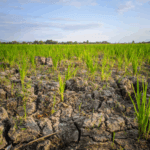

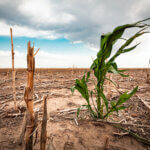

Uren sees the global agricultural value chain “already struggling under disrupted logistics, and the effects of COVID-19 and the war in Ukraine have revealed how complex systems we have taken for granted can break down under pressure. Current trends show even greater changes on the horizon that will increasingly strain the context in which these value chains work. Unless we re-think and re-design them, they are likely to buckle and may break.”