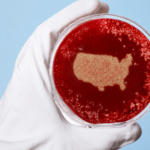
Here’s why Mexico’s looming GMO corn ban could disrupt US global trade

Credit: TAPAS KUMAR HALDER via CC-BY-SA-4.0

Mexico’s President Andres Manuel Lopez Obrador published a presidential decree banning genetically modified corn in Mexicans’ diets, and ending the use of glyphosate effective January 31, 2024. He reasoned that the GE seeds could contaminate Mexico’s native varieties, and he questioned whether they had negative impacts on human health.

This proclamation immediately caused alarm about trade disruptions. U.S. farmers export about 17 million tonnes of corn annually to our southern neighbor. Mexico only uses about 21 percent of it for human consumption; the rest is used for livestock feed. But it’s unclear how the edict would be enforced.

Follow the latest news and policy debates on sustainable agriculture, biomedicine, and other ‘disruptive’ innovations. Subscribe to our newsletter.

The U.S. is reportedly looking at “all options” to remedy the situation, including filing a formal trade complaint under the USMCA. That would commence a trilateral trade panel to decide the issue. If Mexico ultimately doesn’t relent, the U.S. would have the option of implementing sanctions on its southern neighbor.

The crux of the dispute comes down to a familiar refrain: show us the science. U.S. officials have indicated that Mexico’s ban is only allowed if they can reasonably support it with scientific evidence. But as we all know, that research doesn’t exist.


This is an excerpt. Read the original post here

Related Articles

Infographic: Global regulatory and health research agencies on whether glyphosate causes cancer

Infographic: Global regulatory and health research agencies on whether glyphosate causes cancer

Does glyphosate—the world's most heavily-used herbicide—pose serious harm to humans? Is it carcinogenic? Those issues are of both legal and ...

Most Popular

ChatGPT-Image-Aug-4-2026-10_15_14-AM
Viewpoint—A hard look at the Fauci diaries: Do they change what we know about COVID’s origins?
ChatGPT-Image-Mar-10-2026-01_39_01-PM
Viewpoint—“Miracle molecule” debunked: Why acemannan supplements don’t work
Picture1
Hiroshima at 81: America’s new nuclear bomb, a buried Iranian target, and a question no one wants to ask
ChatGPT-Image-Aug-4-2026-12_42_58-PM
Viewpoint: Fact-checking CNN interview with RFK, Jr. underscores the depth of his disinformation delusions
ChatGPT-Image-Jul-17-2026-09_50_27-AM
Viewpoint: How disease tracking and prevention has cratered under the Kennedy-Trump administration
ChatGPT-Image-Aug-4-2026-07_52_00-PM
No liability for scientific due diligence: California Supreme Court rejects bizarre lawsuit faulting Gilead for fully evaluating HIV drug before release
ChatGPT-Image-Aug-4-2026-09_31_50-AM-2
Viewpoint: Could the U.S. become dependent on China to develop critical new genetic and drug therapies?
png livestock cow cattle a
Consumer skepticism about gene-edited milk is neither fixed nor particularly high—and falls even more if it’s priced lower
ChatGPT-Image-Aug-4-2026-02_05_46-PM
Does Congress have the guts to successfully challenge Trump’s politicization of science funding?
Screenshot-2026-07-17-at-1.34.59-PM
Poll: Vaccine hesitancy soars when patients distrust health providers and turn to social media
ChatGPT Image Jul 29, 2026, 09_08_15 AM 2
The retreat of environmental extremism: Why activist NGOs are losing favor
ChatGPT Image Jul 29, 2026, 10_17_59 AM
Viewpoint: What does it mean when critics of conventional agriculture say many fruits and vegetables are “linked” to pesticide poisoning?
glp menu logo outlined

Get news on human & agricultural genetics and biotechnology delivered to your inbox.