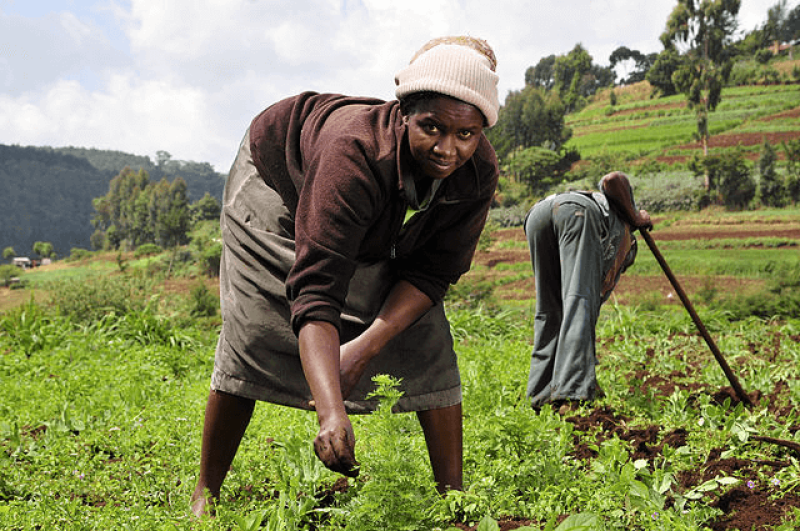
Two decades of propaganda from Kenyan activists threaten to undermine country’s embrace of sustainable agro-biotechnology

Credit: 2DU Kenya4 and CIAT via CC-BY-SA-2.0

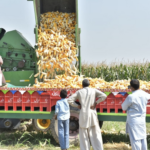
Across the country, people have formed a negative attitude towards genetically modified organisms (GMO) based on unfounded claims that have been thrown around by politicians. Most Kenyans would rather sleep hungry than eat GM crops.

Researchers, on the other hand, are determined to fight this misinformation, saying biotechnology offers more good than harm to a food insecure country like Kenya.

Mis- and disinformation are distorting science and public policy. Subscribe to our Daily and Weekly Digests for incisive coverage of ‘disruptive’ innovations in AI, agricultural biotechnology, food, chemicals, nuclear energy, vaccines, and other disruptive innovations.

In 2012, Kenya’s Cabinet banned the importation of GM maize, following a controversial study led by French scientist Gilles-Eric Séralini that linked consumption of GM foods to cancer in rats.

Dr [Martin] Mwirigi clarifies that the study was later debunked by further European research.

But in a fresh twist, in November last year, High Court Justice Mugure Thande suspended the importation of GMO crops and food into the country after two parties filed lawsuits.

…

However, at the Court of Appeal, Justices Mohamed Warsame, Abida Ali-Aroni and John Mativo unanimously agreed that the AG had not convinced them that Kenyans will suffer if the orders issued by the High Court are not lifted.

As Kenya awaits the Supreme Court ruling on the issue,  researchers have recoiled back to their safe space and familiar territory, the fields of research, because that is what they know best.

This is an excerpt. Read the original post here

Related Articles

Infographic: Global regulatory and health research agencies on whether glyphosate causes cancer

Infographic: Global regulatory and health research agencies on whether glyphosate causes cancer

Does glyphosate—the world's most heavily-used herbicide—pose serious harm to humans? Is it carcinogenic? Those issues are of both legal and ...

Most Popular

ChatGPT-Image-Mar-10-2026-01_39_01-PM
Viewpoint—“Miracle molecule” debunked: Why acemannan supplements don’t work
Screenshot-2026-09-17-at-1.07.08-PM
'We are dangerously addicted to antidepressants': Should we heed RFK Jr.’s sobering warning?
ChatGPT-Image-Sep-2-2026-02_03_32-PM
How much of a problem is AI’s water use?
ChatGPT-Image-Sep-22-2026-10_32_46-AM
There has been a slew of recent reports of food recalls and foodborne outbreaks. Do we face an escalating problem?
Screenshot-2026-09-10-at-12.20.19-PM
'Jet fuel didn't melt the steel': 9/11 conspiracy theories debunked
Screenshot-2026-09-03-at-10.51.20-AM
Viewpoint: Why do online health lies outlive the evidence that debunks them? Read "Everyone Else Is Lying to You"
eaeb d b
Viewpoint: The organic food industry is a $180 billion marketing fraud
ChatGPT-Image-Sep-23-2026-01_52_03-PM
Viewpoint: 4 very real AI doomsday scenarios
glp menu logo outlined

Get news on human & agricultural genetics and biotechnology delivered to your inbox.