In a surprise finding, HDL, so-called ‘good cholesterol’, linked to dementia

dislipidemias
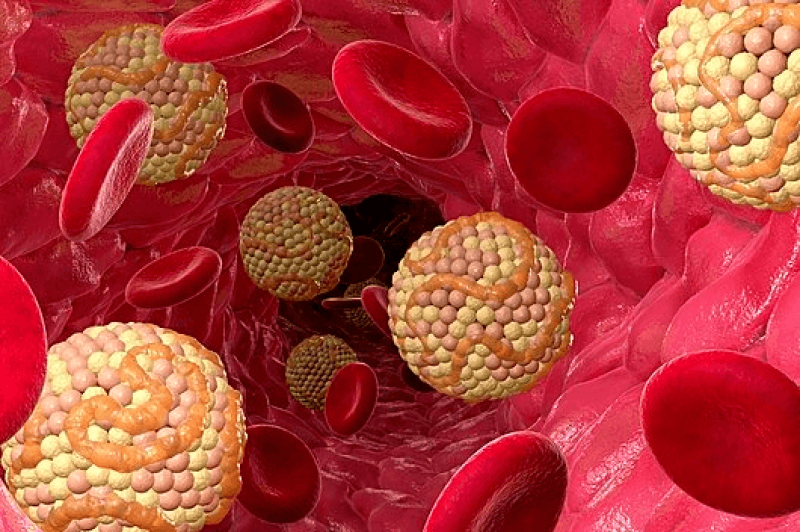
Credit: Wikimedia Commons (CC BY-SA 4.0)

A study shows that so-called “good cholesterol” may not be as healthy as previously believed.

The study, published [October 4] in the journal Neurology, claims that high or low levels of high-density lipoprotein, or HDL, could increase dementia risk for older people.

Researchers tracked more than 180,000 California residents through health surveys for about two years starting between 2002 and 2007, then tracked the group using medical records for about nine years on average. The subjects are now an average of 70 years old.

“Previous studies on this topic have been inconclusive and this study is especially informative because of the large number of participants and long follow-up,” study author Maria Glymour said in a statement.

Mis- and disinformation are distorting science and public policy. Subscribe to our Daily and Weekly Digests for incisive coverage of ‘disruptive’ innovations in AI, agricultural biotechnology, food, chemicals, nuclear energy, vaccines, and other disruptive innovations.

During the course of the study, about 25,000 people developed dementia.
People with the highest levels of HDL cholesterol had a 15 percent higher rate of dementia compared to those in the middle group, the study found. Those with the lowest levels had a 7 percent higher rate of dementia compared to those in the middle group.

The recommended “healthy” HDL amount is 40 mg/dL in blood. Study subjects’ average was about 54 mg/dL.

The study also tracked LDL cholesterol, dubbed “bad cholesterol,” but found that it did not significantly impact dementia rates.


This is an excerpt. Read the original post here

Related Articles

Infographic: Global regulatory and health research agencies on whether glyphosate causes cancer

Infographic: Global regulatory and health research agencies on whether glyphosate causes cancer

Does glyphosate—the world's most heavily-used herbicide—pose serious harm to humans? Is it carcinogenic? Those issues are of both legal and ...

Most Popular

ChatGPT-Image-Mar-10-2026-01_39_01-PM
Viewpoint—“Miracle molecule” debunked: Why acemannan supplements don’t work
ChatGPT-Image-Sep-10-2026-10_36_07-AM
Viewpoint: Even lousy scientific articles can shield authors when they hype dubious health claims and products
sorghum farmers in kenya FARMERS TREND
Here are all the ways CRISPR gene editing is transforming Africa’s staple crops—and there’s a lot more innovation to come
Screenshot-2026-10-01-at-11.21.27-AM
Vaccine hesitancy, like malaria, surges globally, topping 35% in some countries
ChatGPT-Image-Sep-30-2026-01_11_07-PM
How U.S. teamed with Russia to block global human AI weapons oversight
ChatGPT-Image-Sep-21-2026-03_15_09-PM
Viewpoint: Chipotle-inspired lesson: 10,000 sick customers suggest that processed foods can be safer than fresh ones
ChatGPT-Image-Sep-30-2026-01_25_34-PM
Blood tests for Alzheimer’s? The latest grifter, social media scam.
ChatGPT-Image-Sep-30-2026-01_38_36-PM
Viewpoint: Died “with measles” vs. died “from measles”: RFK, Jr.’s dangerously subversive word games
Screenshot-2026-09-28-at-1.16.38-PM
Defying public perceptions, U.S. cancer deaths plunged 35% since 1991
ChatGPT-Image-Sep-29-2026-12_16_42-PM
Social media influencers are driving food misinformation across Europe
glp menu logo outlined

Get news on human & agricultural genetics and biotechnology delivered to your inbox.