Almost all supplements are useless, experts say. Here’s a few that offer some benefits

o
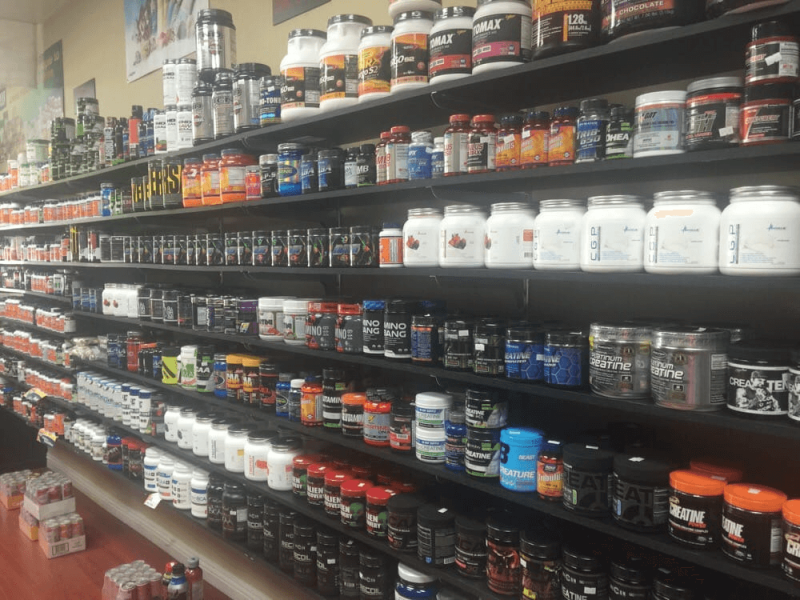
Credit: Vitamin Warehouse

The U.S. dietary supplement industry has exploded in the last 30 years, growing from about 4,000 products in 1994 to more than 95,000 on the market today, according to the Food and Drug Administration. These capsules, powders, gummies and tinctures are often labeled with big — if vague — claims like “supports immune health” or “improves brain performance.”

But most supplements have not been rigorously tested for safety or effectiveness, said Dr. JoAnn Manson, a professor of medicine at Harvard Medical School.

Mis- and disinformation are distorting science and public policy. Subscribe to our Daily and Weekly Digests for incisive coverage of ‘disruptive’ innovations in AI, agricultural biotechnology, food, chemicals, nuclear energy, vaccines, and other disruptive innovations.

But, she said, there are some instances where taking a supplement may improve your health. Here are some of the main ones.

…

Collagen. Collagen, is one of the most abundant proteins in the body and helps form our skin, bones, muscles, tendons and ligaments. As we age, we naturally start reducing its production.

…

Vitamin B6. This essential nutrient is involved in a number of chemical reactions that are important for the proper functioning of the immune and nervous systems. As with the other essential vitamins, the body cannot produce B6 on its own.
…

Melatonin. The hormone is released by our brains as it starts to get dark outside, making us sleepy. Taking it in supplement form tricks your body into feeling like it’s nighttime. 

…

Several recent trials have also found that multivitamins may improve memory and slow cognitive decline in older adults, though more research is needed, Dr. Manson said.


This is an excerpt. Read the original post here

Related Articles

Infographic: Global regulatory and health research agencies on whether glyphosate causes cancer

Infographic: Global regulatory and health research agencies on whether glyphosate causes cancer

Does glyphosate—the world's most heavily-used herbicide—pose serious harm to humans? Is it carcinogenic? Those issues are of both legal and ...

Most Popular

ChatGPT-Image-Mar-10-2026-01_39_01-PM
Viewpoint—“Miracle molecule” debunked: Why acemannan supplements don’t work
ChatGPT-Image-Sep-10-2026-10_36_07-AM
Viewpoint: Even lousy scientific articles can shield authors when they hype dubious health claims and products
ChatGPT-Image-Sep-23-2026-02_36_39-PM
Viewpoint: After firing the entire National Science Board, Trump reshapes funding initiatives. Here’s the good and the bad.
generated-1790707585414
Facts & Fallacies podcast: America's health care system is broken. A doctor explains how to fix it
ChatGPT-Image-Sep-21-2026-03_15_09-PM
Viewpoint: Chipotle-inspired lesson: 10,000 sick customers suggest that processed foods can be safer than fresh ones
ChatGPT-Image-Sep-21-2026-11_54_00-AM
Viewpoint: Activist environmental NGOs are turning from public funding to activist billionaires to support their campaigns. It won’t end well.
sorghum farmers in kenya FARMERS TREND
Here are all the ways CRISPR gene editing is transforming Africa’s staple crops—and there’s a lot more innovation to come
Screenshot 2026-08-12 at 1.22
Activists vs. Scientists: Could “Butterfly Effect” fears derail gene-drive research targeting the flesh-eating screwworm?
ChatGPT-Image-Sep-22-2026-11_17_31-AM
The exploding controversy over AI’s built-in survival drive
Screenshot-2026-09-16-at-10.27.33-AM
Viewpoint: SCOTUS poised to address First Amendment tension between mandatory vaccines, children’s health and religious freedom 
glp menu logo outlined

Get news on human & agricultural genetics and biotechnology delivered to your inbox.