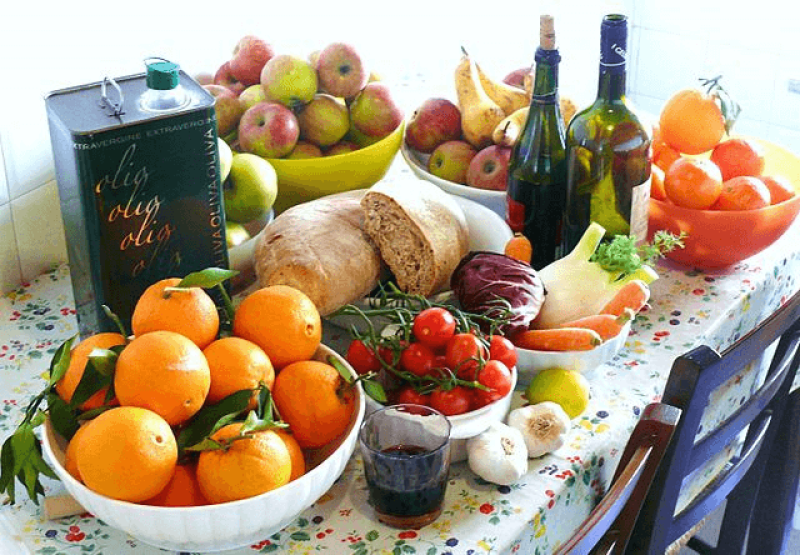
Foods can fight inflammation. Here’s what to eat to reduce your risk of cardiovascular disease, stroke and more

Credit: G.steph.rocket via CC-BY-SA-4.0

In the last few decades, researchers including [surgical oncologist Jennifer] Wargo have accumulated evidence to support some key ingredients in a healthy diet that most effectively control inflammation and reduce the risk of cardiovascular disease, cancers, and other illnesses. Now, scientists are zeroing in on the community of bacteria that lives in our digestive systems—the gut microbiome—as the place where specific foods and ingredients, including fiber, elicit or inhibit inflammatory reactions that ultimately affect the trajectory of diseases and response to cancer treatment.

Mis- and disinformation are distorting science and public policy. Subscribe to our Daily and Weekly Digests for incisive coverage of ‘disruptive’ innovations in AI, agricultural biotechnology, food, chemicals, nuclear energy, vaccines, and other disruptive innovations.

In modern times, inflammation has become a popular target for healthy eating, as a bulk of studies have accumulated to link a variety of foods and diets with both lower rates of disease and lower levels of inflammatory molecules circulating in the blood.

…
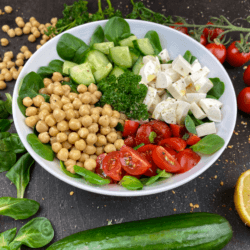
Although the true magnitude of these benefits remains a topic of debate—in part because studying diet is complicated and because people who eat healthier diets also often adopt other healthy behaviors—numerous studies have found lower levels of inflammatory molecules in the blood in people who eat Mediterranean-style diets. Studies in lab dishes, animals, and people also find anti-inflammatory responses to specific nutrients and ingredients, including turmeric, oily fish, apples, avocados, carrots, and leafy greens.


This is an excerpt. Read the original post here

Related Articles

Infographic: Global regulatory and health research agencies on whether glyphosate causes cancer

Infographic: Global regulatory and health research agencies on whether glyphosate causes cancer

Does glyphosate—the world's most heavily-used herbicide—pose serious harm to humans? Is it carcinogenic? Those issues are of both legal and ...

Most Popular

ChatGPT-Image-Mar-10-2026-01_39_01-PM
Viewpoint—“Miracle molecule” debunked: Why acemannan supplements don’t work
Screenshot-2026-09-17-at-1.07.08-PM
'We are dangerously addicted to antidepressants': Should we heed RFK Jr.’s sobering warning?
ChatGPT-Image-Sep-2-2026-02_03_32-PM
How much of a problem is AI’s water use?
Screenshot-2026-09-03-at-10.51.20-AM
Viewpoint: Why do online health lies outlive the evidence that debunks them? Read "Everyone Else Is Lying to You"
Screenshot-2026-09-23-at-3.15.09-PM
Anti-GMO activists in Pakistan rev up their campaign of dire warnings
ChatGPT-Image-Sep-23-2026-01_52_03-PM
Viewpoint: 4 very real AI doomsday scenarios
Screenshot-2026-09-22-at-11.40.28-AM
After Idaho criminalized abortion providers in 2022, one-third of obstetricians fled. Health care advocates are making rural health the case for repealing the ban
Screenshot-2026-09-10-at-12.20.19-PM
'Jet fuel didn't melt the steel': 9/11 conspiracy theories debunked
ChatGPT-Image-Aug-26-2026-12_46_16-PM
Viewpoint: The fake controversy over whether combining childhood vaccines is dangerous— a debate science resolved 25 years ago
Screenshot-2026-09-23-at-11.55.01-AM
How can we know if social media bans actually help teens?
glp menu logo outlined

Get news on human & agricultural genetics and biotechnology delivered to your inbox.