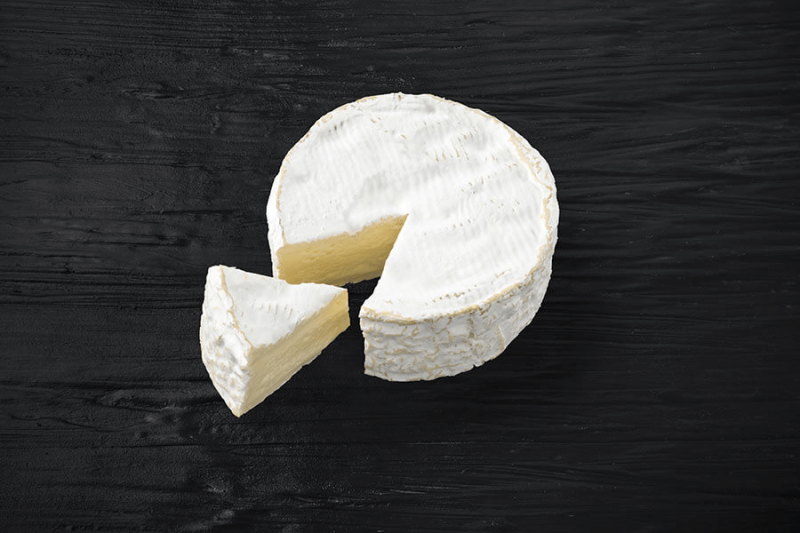
Genetic diversity squeeze: Camembert is on the verge of extinction. Here’s what can be done to rescue ‘endangered cheeses’

camembert de normandie
Credit: Fromage AOP

Each hunk of Camembert or smear of brie is an ecosystem, an assortment of fungi and bacteria that turn milk fats and proteins into hundreds of different compounds. Those compounds produce the flavors, smells, and textures we love.

In recent decades, however, the genetic diversity of some of those microbes has caved. And today, some of the most famous French cheeses rely on just a single fragile strain of fungi that is at risk of dying out.

Mis- and disinformation are distorting science and public policy. Subscribe to our Daily and Weekly Digests for incisive coverage of ‘disruptive’ innovations in AI, agricultural biotechnology, food, chemicals, nuclear energy, vaccines, and other disruptive innovations.

For reasons that are not totally clear, the [fungus strain Penicillium camemberti used in camembert and brie] can’t reproduce sexually, like most molds can — meaning, it can’t “breed” with another individual to create new genetic diversity. So to create more of this fungi, cheesemakers have to clone it, not unlike how you propagate a plant using a cutting. Yet decades of replicating the same individual can introduce harmful errors into its genome, [Centre national de la recherche scientifique (CNRS) evolutionary biologist Jeanne] Ropars said.

…
There is a way to save these cheeses, though it requires some changes in our own taste and tolerance.

To make Camembert or brie, cheese producers could simply inoculate cow’s milk with other Penicillium biforme molds, which are naturally present in raw milk (these microbes would need to be manually added if the milk is pasteurized). As a group, Penicillium biforme has a lot of genetic diversity and these molds are able to produce sexually, Ropars said, which is key to maintaining genetic diversity.


This is an excerpt. Read the original post here

Related Articles

Infographic: Global regulatory and health research agencies on whether glyphosate causes cancer

Infographic: Global regulatory and health research agencies on whether glyphosate causes cancer

Does glyphosate—the world's most heavily-used herbicide—pose serious harm to humans? Is it carcinogenic? Those issues are of both legal and ...

Most Popular

Cancer mRNA Vaccine Concept
'A new frontier': Though scorned by RFK Jr., personalized mRNA vaccine offers hope for many suffering from melanoma skin cancer
ChatGPT Image Jul 31, 2026, 08_05_37 AM
26% and far worse than during COVID: Under RFK Jr., Americans’ opinion of ‘revamped’ CDC hits an all-time low
ChatGPT-Image-Mar-10-2026-01_39_01-PM
Viewpoint—“Miracle molecule” debunked: Why acemannan supplements don’t work
Healthy Food Sensitivity Test Collection
Viewpoint: That’ll be $300: The wellness industry’s junk science scam to ‘fix’ your immune system that isn’t broken
Crimson Drips Over the White House
In Trump administration redirect, U.S. steers NIH sharply away from biodefense and pandemic preparedness
Screenshot-2026-10-26-at-11.06.10-AM
Viewpoint: The organic, good-food, small-farm movement is seductive but wrongheaded. Here’s the sustainability and environmental case for industrial farming
Screenshot 2026-10-16 at 5.38
PFAS in Agriculture: Science, Uncertainty, and Risk Communication
Picture1
Viewpoint: How badly is the U.S. food-safety net fraying? FDA’s bungled handling of the tainted lettuce crisis deepens concerns over cuts to disease tracking and response
Screenshot-2026-10-19-at-12.04.51-PM
Victims of their own success: As memories of killer diseases fade, vaccine rejectionism soars
Screenshot-2026-10-24-121036
Many hospitals embrace longevity medicine. Are they separating science from hype?
West-Virginia-SNAP-Water-Bottle-Sticker
A ‘shining success’ or 'empty promises’: Two years along, West Virginians assess MAHA’s food promises
China Innovation Lightbulb 2
China’s 5-year plan to accelerate science innovation is putting the U.S. and Europe in the rearview mirror
Screenshot-2026-10-22-at-12.45.14-PM
Pennsylvania tells doctors to prepare for a surge in newborn measles cases—a complication unseen in decades
Strawberry Clamshell with Warning Sticker
Viewpoint: Activists hype ‘dangerous level’ of pesticide residues in Driscoll berries: Separating health concerns from fear-mongering
Diet Soda with Measuring Tape 2
Science challenges anti-soda activists: No, sodas won’t make you fat
glp menu logo outlined

Get news on human & agricultural genetics and biotechnology delivered to your inbox.