Bumble bees under increasing threat from climate change

www honeybeesuite
Credit: HoneyBeeSuite

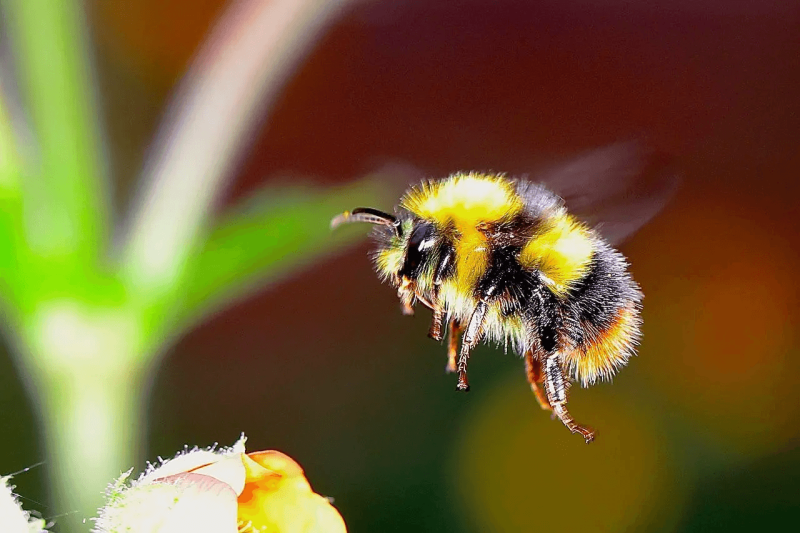
The decline of the bumblebees is highly concerning as they are vital for ecosystems. They pollinate flowers and crops. If populations were to continue to decline, crops would not be able to produce fruits and vegetables. Despite being small, they are crucial to nature’s delicate balance.

And now, a newย Frontiers in Bee Scienceย study has found that the rising heat caused by global warming might be a reason for the decrease in numbers across the globe.

“The decline in populations and ranges of several species of bumblebees may be explained by issues of overheating of the nests and the brood,” Peter Kevan of the University of Guelph in Canada and lead author of the study said in a statement. “The constraints on the survival of the bumblebee brood indicate that heat is likely a major factor, with heating of the nest above about 35 degrees Celsius being lethal, despite the remarkable capacity of bumblebees to thermoregulate.”

Follow the latest news and policy debates on sustainable agriculture, biomedicine, and other ‘disruptive’ innovations. Subscribe to our newsletter.

“Excessively high temperatures are more harmful to most animals and plants than cool temperatures. When conditions are cool, organisms that do not metabolically regulate their body temperatures simply slow down, but when temperatures get too high metabolic processes start to break down and cease,” Kevan said. “Death ensues quickly.”


This is an excerpt. Read the original post here

{{ reviewsTotal }}{{ options.labels.singularReviewCountLabel }}
{{ reviewsTotal }}{{ options.labels.pluralReviewCountLabel }}
{{ options.labels.newReviewButton }}
{{ userData.canReview.message }}

Related Articles

Infographic: Global regulatory and health research agencies on whether glyphosate causes cancer

Infographic: Global regulatory and health research agencies on whether glyphosate causes cancer

Does glyphosateโ€”the world's most heavily-used herbicideโ€”pose serious harm to humans? Is it carcinogenic? Those issues are of both legal and ...

Most Popular

ChatGPT Image Jun 3, 2026, 03_14_43 PM
Viewpoint: How Earthjustice became the poster child for the abuse of special interest activist funding
ChatGPT-Image-Jun-11-2026-01_15_03-PM
Selective Pressure, Selective Silence
ChatGPT Image Jun 3, 2026, 03_54_37 PM
Viewpoint: โ€œTurn on, tune in, drop outโ€โ€”Kennedy embraces the Timothy Leary psychedelic revolution
Screenshot-2026-06-05-at-2.12.30-PM
Some plants can poison you. So how did humans figure out what is safe to eat?
ChatGPT-Image-Mar-10-2026-01_39_01-PM
Viewpointโ€”โ€œMiracle moleculeโ€ debunked: Why acemannan supplements donโ€™t work
Screenshot 2026-05-26 at 10.15
Viewpoint: Double standardโ€”Why does the wellness industry get a free pass while Big Healthcare is treated as morally suspect?
Picture1
Sounds we canโ€™t hear โ€” the hidden planetary signals behind science, fear, and misinformation
ChatGPT-Image-May-26-2026-07_51_21-AM-2
Viewpoint: There are more than 1,000 chemicals in a cup of coffeeโ€”including many substances that can cause cancer. Why isnโ€™t it banned?
ChatGPT Image May 28, 2026, 08_16_38 PM
Viewpoint: Why the EPA mismeasures cancer risk of chemicals and what should be done to fix it
ChatGPT Image May 26, 2026, 08_42_17 AM (1)
Viewpoint: Greenpeace and poison: How environmental advocacy groups rely on compliant (and often ignorant) journalists to spread disinformation and spark litigation

Sorry. No data so far.

glp menu logo outlined

Get news on human & agricultural genetics and biotechnology delivered to your inbox.