
From feed supplements to animal breeding to vaccines, multiple approaches are being explored to cut methane emissions from belching ruminants. But if you can edit the genes of the microbes responsible for the problem with a one-time treatment, says Professor Ermias Kebreab, you could change the game.
“It’s high-risk, high reward, but if it works, you won’t have to do anything else.”
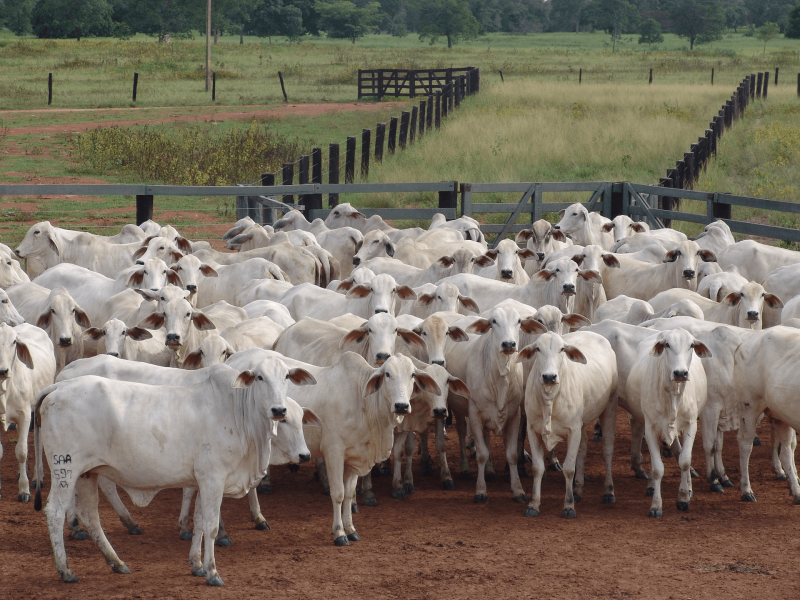
A potent greenhouse gas, methane is generated by manure as it decomposes. It is also burped out by ruminants, who produce it in a stomach compartment called the rumen. Here, microbes break down complex carbs and produce gases that are converted into methane by another set of microbes (methanogens).
Dr. Kebreab, a professor at the University of California Davis who has conducted extensive research on livestock methane reduction, is one of a team of academics working on a $70 million initiative backed by the TED Audacious Project.