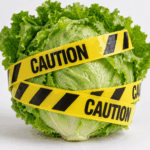

For GMO opponents, it’s been a good news/bad news week. The good news: Vermont became the first state to mandate the labeling of foods containing genetically modified ingredients. The bad news: New York Times food writer Mark Bittman, a darling of the food movement, wrote a column that called on his compadres to stop obsessing about GMOs, particularly the labeling issue, which “plays on irrational fears.”
The battle over GMOs, Bittman said, was not important to the larger goal of sustainable agriculture. What’s more, “the technology [involving genetically modified foods] itself has not been found to be harmful,” he wrote, and its “underlying science could well be useful.” How do you suppose this went over in organic food co-ops across the United States, where GMOs are about as welcome as disposable plastic bags?
It wasn’t that long ago he was egging them on and feeding into their greatest fears. Perhaps Bittman has learned from the example of Mark Lynas, who, in a widely discussed 2013 speech, said he had “discovered science”–with respect to crop biotechnology. It appears that Bittman is now following the same path.




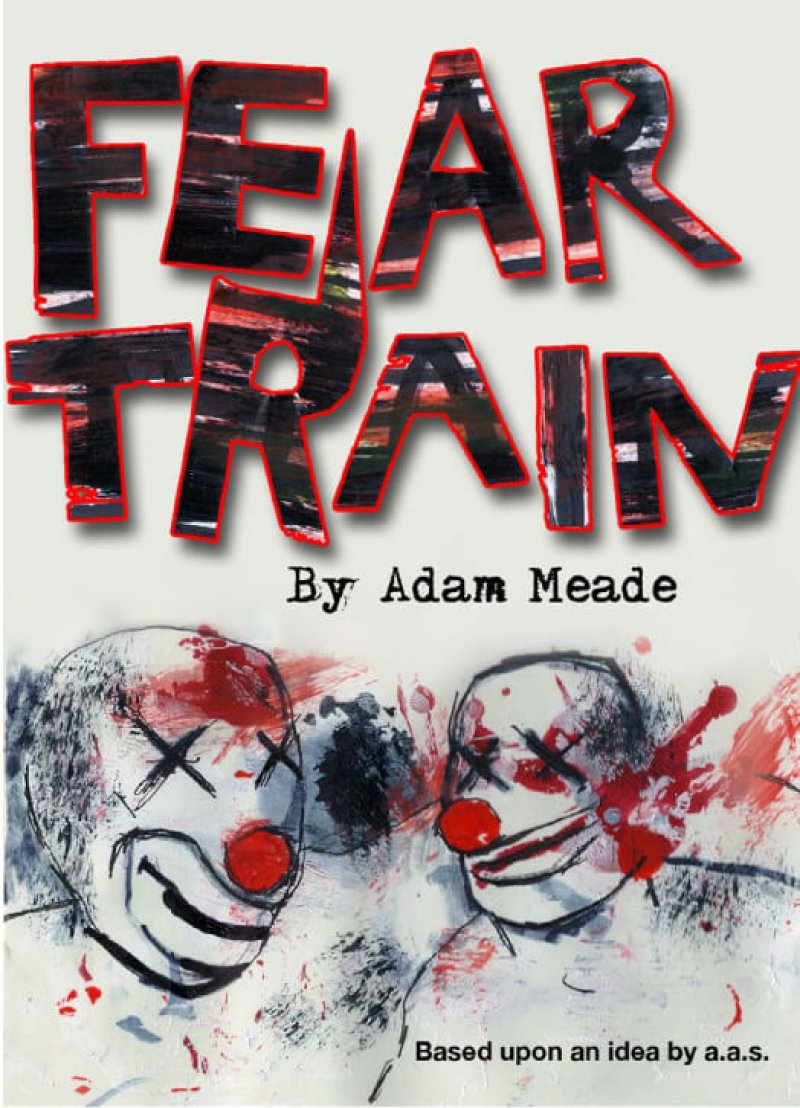
As I have said to Lynas, this kind of turnabout owes not so much to discovering science but more to unshackling oneself from a fixed ideological and political mindset. You can’t discover science–or honestly assess it–until you are open to it. It’s hard to rein in hysteria once it’s been encouraged and winked at by thought leaders. Now that this train has left the station, there is no calling it back, as Bittman seems to be suggesting in his NYT column.
Read the full, original article: The GMO Fear Train Has Left the Station