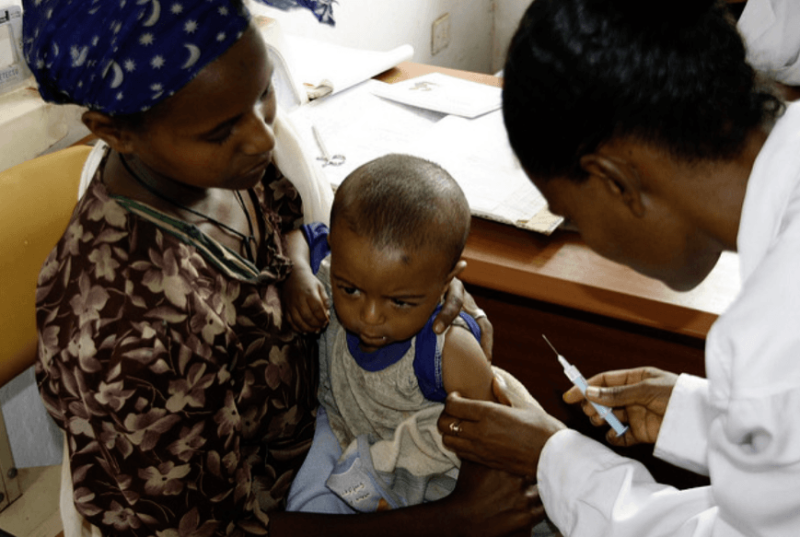
In early April, at the national launch of Uganda’s malaria vaccine, 31-year-old Caroline Akot cradled her 9-month-old child, who had just tested positive for malaria. Despite using mosquito nets at home, Akot noted, “The mosquitoes are simply so many given the location where we live [Northern Uganda].”
In 2023, more than 600,000 malaria deaths occurred globally, with over 75% among children under five in sub-Saharan Africa. According to the World Health Organization’s most recent Malaria Report, the African region accounted for almost 95% of global malaria cases and deaths. Uganda and Ethiopia are the hot spots. Akot had heard the warnings of some friends who claim that the vaccines are tools for population control, but are designed to sterilize African women or reduce the African population. Her resolve was tested by these claims, but ultimately she became convinced that it was crucial to have her child tested and immunized.
Many other families make different choices. Fueled by global misinformation networks, a growing wave of vaccine hesitancy is undermining public health efforts across East Africa. Social media platforms and local WhatsApp groups have become conduits for conspiracy theories, falsely linking malaria vaccines to infertility, population control, and even Western exploitation.
Debating vaccine safety
East Africa is the center of the campaign to eradicate malaria. Numerous countries are rolling out two WHO-approved malaria vaccines—RTS,S (Mosquirix) and the newer R21/Matrix-M. RTS,S, deployed in Kenya, Uganda, and Malawi, has shown over 50% efficacy in young children, while R21—approved in late 2023—offers even higher protection (up to 75%) and is now being distributed widely in Uganda and other endemic areas.
These various malaria vaccines have been developed over three decades through a partnership between GlaxoSmithKline (GSK) and the profit Program for Appropriate Technology in Health (PATH), with support from the Bill & Melinda Gates Foundation. After a successful rollout in Ghana, Kenya, and Malawi, the latest vaccine, RTS,S, has been incorporated into routine immunization schedules in several East African countries, including Uganda and Kenya.
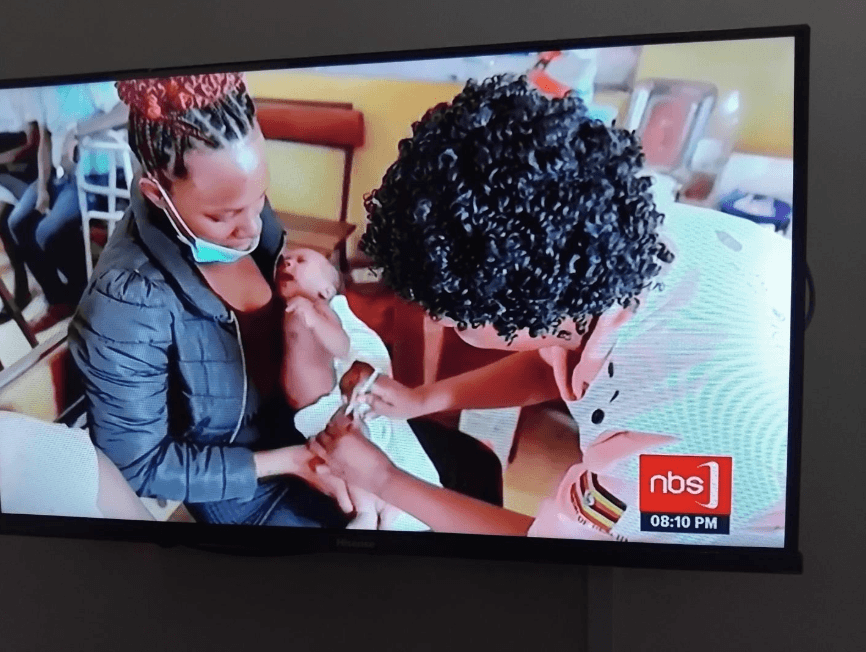
The initial success of the vaccine rollout has been impressive. According to the WHO, since 2019: “The RTS,S/AS01 vaccine has been administered to more than 1.7-2million children in Ghana, Kenya and Malawi since 2019 and has been shown to be safe and effective, resulting in both a substantial reduction in severe malaria and a fall in child deaths ….” The vaccines have proved staggeringly successful:
- Child deaths: 13% reduction in all-cause mortality among children eligible for vaccination
- Severe malaria and hospitalizations: 22-30% reduction.
- Uncomplicated malaria cases: 40% reduction and 75% efficacy when given seasonally in areas of highly seasonal transmission.
- Public health impact: Tens of thousands of young lives saved every year.
It’s estimated that approximately half a million child deaths could be prevented by 2035 if vaccinations are scaled up in moderate and high malaria transmission areas.
Anti-vaxx sentiment soars in Africa
Despite the documented life-saving health-preserving benefits of the shots, anti-vaccine rhetoric and campaigns are intensifying. Health workers across Africa report parents refusing to vaccinate their children, echoing rhetoric imported from Western anti-vaccine influencers. In some communities, rumors have spread faster than the disease itself, eroding trust in science and jeopardizing hard-won gains in malaria control. “We are not just fighting a parasite,” said one Ugandan nurse. “We are fighting fear.”
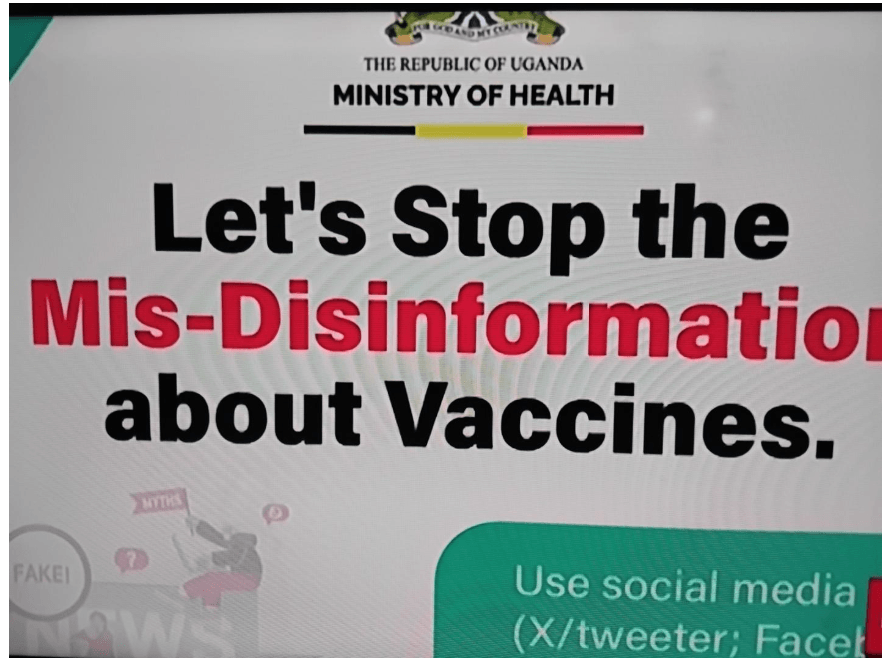
These scare narratives often claim that the vaccines are tools for population control, that they are designed to sterilize African women or reduce the African population. Religious figures have played a significant role in spreading this disinformation. For instance, Pastor Chris Oyakhilome, a prominent Nigerian televangelist, has regularly disseminates anti-vaccine messages, linking vaccines to nefarious global agendas. These messages often gain traction through religious networks and social media platforms, amplifying public skepticism.
In Uganda, the vaccine rejectionist campaign is spearheaded by former recent Ugandan presidential candidate Joseph Kiiza Kabuleeta of the National Economic Empowerment Dialogue (NEED) Party. He has a reputation in Uganda similar to Robert F. Kennedy, Jr.’s in the U.S. He is claiming it provides “zero-percent protection” to the immunized children, and instead introduces illnesses.

It’s a ‘killer medicine’, Kabuleeta says, claiming without evidence that it leads to meningitis, cerebral malaria, seizures and hallucinations, and the death of one out every four vaccinated children. “It has zero-percent protection.”
His remarks, made in a video first recorded in 2023 as the COVID pandemic was fading, have recently resurfaced and are recirculating on social media. According to Kabuleeta, the government has been coopted and corrupted by “Westerners” who want to kill off the poor in Africa and elsewhere.
This is war. Don’t be stupid. Protect your children as our Ministry of Health officials shall not vaccinate their children nor those of their relatives …. somebody from the Ministry of Health officials shall be completing arcades and storied buildings from bribe money they’ll have received from Western wealthy men who want the global population reduced by one billion people… you’ll be burying your children.
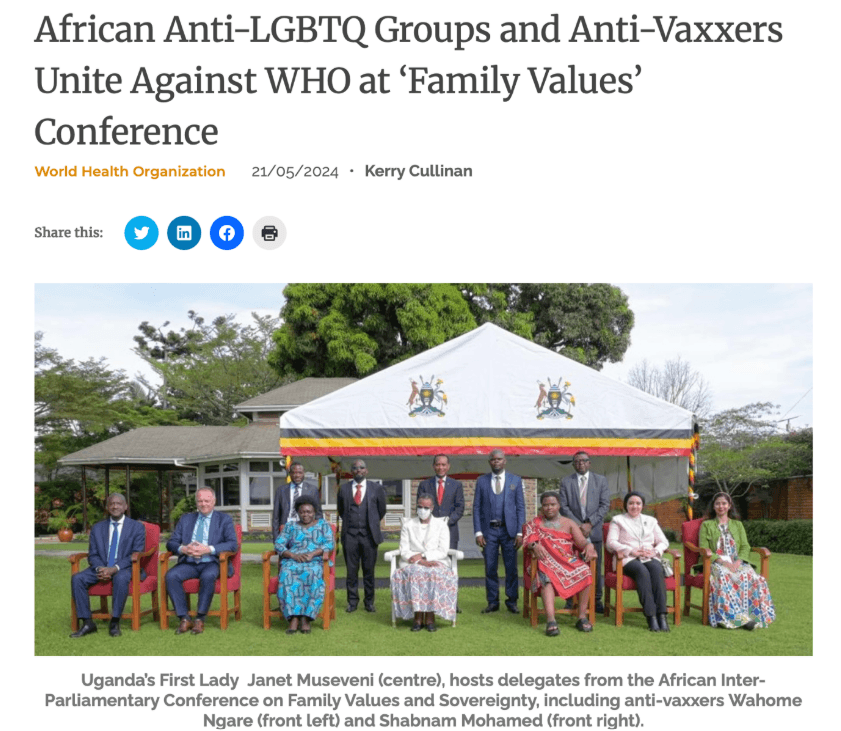
With Kabuletta as the titular leader, Uganda has emerged as the East African anti-vaxx hub. His campaign traces back to a May 2023 conference organized by the African Inter-Parliamentary Conference on Family Values and Sovereignty, based in Uganda. It brought together African anti-vaccine activists and European conspiracy theorists and served as a platform to promote narratives that vaccines, including those for COVID-19, HPV, and tetanus, were unnecessary or part of a scheme to reduce African fertility. The anti-vaccine rhetoric is now intertwined with other conservative campaigns targeting the LGBTQ and anti-abortion communities, creating a front against perceived Western influence.
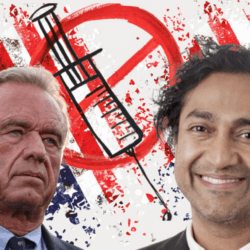



The movement is now a fusion of leftwing anti-biotechnology activists and MAHA like vaccine rejectionists. Their uniting theme: the West, tied to rapacious corporate interests, are manufacturing health threats to economically recolonize the continent. They are disseminating conspiracy theories, mostly through social media, suggesting that vaccines were tools for population control or means to sterilize African women. These narratives are often propagated through social media platforms and were sometimes amplified by local influencers and politicians.
Science pushes back
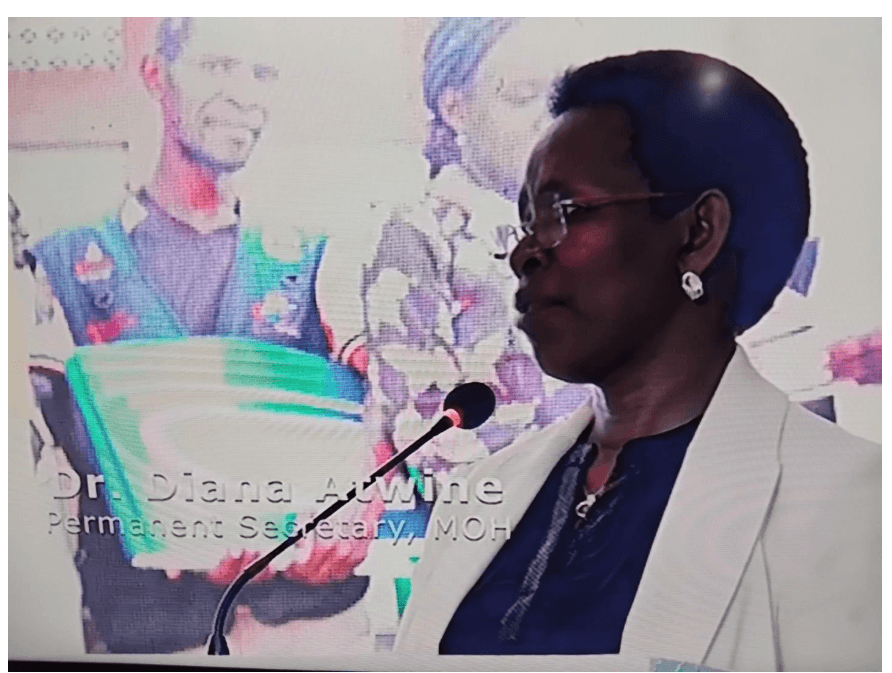
Dr. Diana Atwine, the Permanent Secretary at the Health Ministry, dismissed Kabuleeta for his ‘effortless campaigns’ among a heavily malaria-burdened society. “We are aware. He is looking for attention which we denied him,” she said.
Vaccine acceptance is facing an unexpected surge of headwinds. Vaccination programs are, to an extent, the victims of their success. As morbidity and mortality have declined, so, too, has the African public’s perception of the critical importance of some vaccine preventable diseases, with measles a notable exception.
Fears of side effects and rumors of long-term repercussions of vaccination, never entirely absent, have resurfaced as vaccination programs approached their goals of eradicating polio and eliminating tetanus. The near disappearance of some targeted diseases, especially polio and, in some countries, tetanus, has raised the quite natural question “Why continue to vaccinate?”
“This vaccine is safe, free and shall save lives of children… please take your children under five to the nearest health facility for immunization…. They’ll receive the vaccine four times at intervals of six, seven, eight and eighteen months olds… this is going to be part of the Integrated Child Health Days routine immunizations,” say jointly-funded [UNICEF, WHO, USAID, Ministry of Health etc.] radio adverts, that air hourly in English and in a diversity of vernacular languages.
The large and growing scientific literature on vaccine side-effects has become a blunt instrument for attacking all vaccines, without due attention to the question which all parents need to answer: do the benefits of this vaccination for my child exceed the risks? On the macro-level, there are, of course, terrific resources that explain the science and defend vaccinations, most notably on WHO’s websites on malaria and vaccines
But each country is its own battleground. In Tanzania, a malaria-endemic country that relies solely on anti-malarial drugs and vector control measures, including insecticide-treated bed nets and indoor residual spraying, reportedly has growing resistance to the anti-malarial vaccines, that threatens effectiveness of the interventions.
Still, public support for vaccines in the country remain high. Results from a questionnaire administered to 2,123 mothers of under five children, states: “overall, 84.2 % of the mothers had perfect acceptance of malaria vaccine; 88.4 % reported that they will accept malaria vaccine even if their children get malaria less often than non-vaccinated children…..”
Why such strong support? Strong expectations that the vaccine will reduce visits to the health facility, deaths, malaria episodes and treatment-related expenses. In its conclusion, the Tanzania Ministry of Health reported that stakeholders had high acceptance and positive opinions towards the combined use of the anticipated malaria vaccine and insecticide treated nets, and that their acceptance remains high even when the vaccine may not provide full protection. “This is a crucial finding for malaria vaccine policy decisions in Tanzania,” the report concluded
RFK, Jr.’s dark shadow in Africa
Recent political developments in the United States especially the appointment by President Trump of renowned anti-vaxxer Robert F. Kennedy as the new U.S. Secretary of Health, has shaken many African health officials. The developing world including Africa is heavily dependent on American financial and life-saving medical supplies support. According to Dateline Health Africa, if Kennedy’s leadership leads to funding cuts for vaccine research or global immunization programs, Africa could feel the impact. “Reduced financial support for disease control efforts could set back progress in eliminating preventable diseases,” the agency warns.
Disinformation about the safety of vaccines is a metaphorical straw that could break support for an all-out assault to eradicate malaria. Experts say the solution must go beyond distributing vaccines. Public health campaigns are now shifting to emphasize grassroots education, cultural sensitivity, and building trust from within communities—before the tide of disinformation claims even more lives.
Peter Wamboga-Mugirya is the Director of Communication and Partnerships at the Science Foundation for Livelihoods and Development (Scifode) and Executive Member of the Uganda Science Journalists’ Association (USJA). Find Peter on Twitter @wambotwit