How humans (and apes) evolved to love alcohol

Screenshot 2025-08-11 at 11.02.34 AM

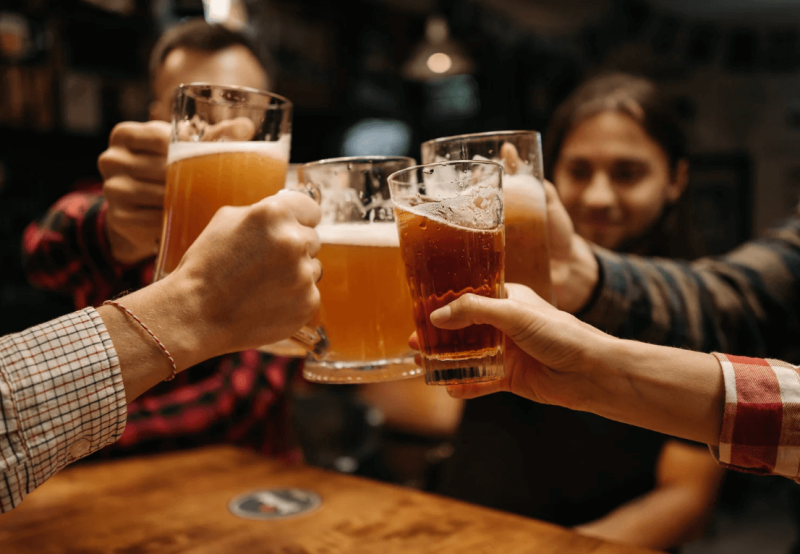
Humans and some other great apes share an unusual adaptation: They can metabolize ethyl alcohol – the intoxicating ingredient in beer, wine and cocktail spirits – 40 times more efficiently than other primates.

This genetic change – called the A294V mutation by scientists – gave the last common ancestor of African apes and humans two things: the ability to consume fermented fruits, and a reason to gather in large groups in a relaxed atmosphere. That’s the conclusion of a recently published paper by researchers from the University of St Andrews and Dartmouth College.

Mis- and disinformation are distorting science and public policy. Subscribe to our Daily and Weekly Digests for incisive coverage of ‘disruptive’ innovations in AI, agricultural biotechnology, food, chemicals, nuclear energy, vaccines, and other disruptive innovations.

When the mutation came along, it made it possible for animals who had it to take advantage of fruit that was toxic to others. And so they thrived.

The study’s authors put these facts together and reasonably assume that eating perfectly edible fallen fruit was far less dangerous and tiring – and just as rewarding – as trying to get at the fresher stuff. 

…

Bottom line: The ability to tolerate alcoholic fruit may have encouraged early hominid socialization. Later, humanity’s love of alcohol may even have driven the rise of agriculture and civilization.


This is an excerpt. Read the original post here

Related Articles

Infographic: Global regulatory and health research agencies on whether glyphosate causes cancer

Infographic: Global regulatory and health research agencies on whether glyphosate causes cancer

Does glyphosate—the world's most heavily-used herbicide—pose serious harm to humans? Is it carcinogenic? Those issues are of both legal and ...

Most Popular

ChatGPT-Image-Mar-10-2026-01_39_01-PM
Viewpoint—“Miracle molecule” debunked: Why acemannan supplements don’t work
ChatGPT-Image-Sep-2-2026-02_03_32-PM
How much of a problem is AI’s water use?
ChatGPT-Image-Sep-22-2026-10_32_46-AM
There has been a slew of recent reports of food recalls and foodborne outbreaks. Do we face an escalating problem?
ChatGPT-Image-Aug-26-2026-12_46_16-PM
Viewpoint: The fake controversy over whether combining childhood vaccines is dangerous— a debate science resolved 25 years ago
Screenshot-2026-09-17-at-1.07.08-PM
'We are dangerously addicted to antidepressants': Should we heed RFK Jr.’s sobering warning?
Screenshot-2026-09-23-at-11.55.01-AM
How can we know if social media bans actually help teens?
ChatGPT-Image-Sep-23-2026-01_52_03-PM
Viewpoint: 4 very real AI doomsday scenarios
Screenshot-2026-09-17-at-12.00.30-PM
Investigative group ProPublica finds links between ectopic pregnancy deaths and abortion bans
Screenshot-2026-09-03-at-10.51.20-AM
Viewpoint: Why do online health lies outlive the evidence that debunks them? Read "Everyone Else Is Lying to You"
ChatGPT-Image-Sep-21-2026-03_41_02-PM
Viewpoint: Does IQ really measure intelligence? BBC gets it wrong.
ChatGPT-Image-Sep-18-2026-01_38_09-PM
Microsoft exec: AI is a ‘doom loop’ scraping the ‘largest theft of labor in human history'
Screenshot-2026-09-23-at-3.15.09-PM
Anti-GMO activists in Pakistan rev up their campaign of dire warnings
Screenshot-2026-09-22-at-11.40.28-AM
After Idaho criminalized abortion providers in 2022, one-third of obstetricians fled. Health care advocates are making rural health the case for repealing the ban
glp menu logo outlined

Get news on human & agricultural genetics and biotechnology delivered to your inbox.