CRISPR breakthrough that can remove the chromosome responsible for Down syndrome raises ethical questions

downsyndrome_compilation_MID_1

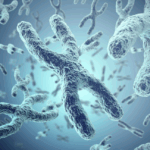
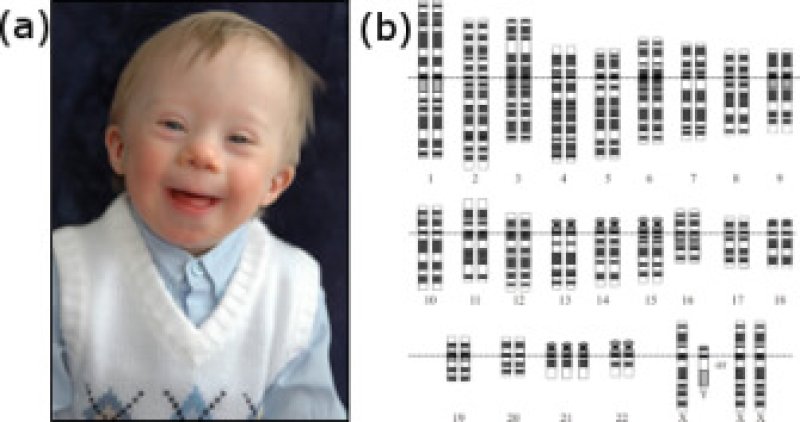
In Feb. 2025, researchers from Mie University in Japan developed a method for removing the third copy of chromosome 21, the structure responsible for causing Down syndrome, through the gene editing tool [CRISPR]. CRISPR allows scientists to pinpoint targets in DNA that may contain a mutation and remove them using an enzyme called Cas-9. 

Down syndrome is the most common chromosomal form of intellectual and physical disability, resulting in large deficits in cognitive and motor development. If CRISPR can be applied in clinical use to treat Down syndrome, it could impact one in 691 people born

Follow the latest news and policy debates on sustainable agriculture, biomedicine, and other ‘disruptive’ innovations. Subscribe to our newsletter.

The currently approved gene therapies work “ex vivo”, meaning they are given to blood cells outside of a person’s body that then circulate throughout their system. …

However, the proposed therapy for Down syndrome takes place at the embryonic level, which means parents have to go through IVF for the procedure to take place. 

“If you can correct one thing, you can correct everything. And the question is always where you draw the line,” [says Dr. Stephanie Wong-Noonan, a professor of biology at Carnegie Mellon.] “What things will we correct? Or should we correct?” 

This is an excerpt. Read the original post here

{{ reviewsTotal }}{{ options.labels.singularReviewCountLabel }}
{{ reviewsTotal }}{{ options.labels.pluralReviewCountLabel }}
{{ options.labels.newReviewButton }}
{{ userData.canReview.message }}

Related Articles

Infographic: Global regulatory and health research agencies on whether glyphosate causes cancer

Infographic: Global regulatory and health research agencies on whether glyphosate causes cancer

Does glyphosate—the world's most heavily-used herbicide—pose serious harm to humans? Is it carcinogenic? Those issues are of both legal and ...

Most Popular

ChatGPT-Image-Mar-10-2026-01_39_01-PM
Viewpoint—“Miracle molecule” debunked: Why acemannan supplements don’t work
Screenshot 2025-07-30 at 10.48
Can gene editing eliminate Down syndrome? Scientists have done it in lab-grown cells
ChatGPT-Image-May-26-2026-07_51_21-AM-2
Viewpoint: There are more than 1,000 chemicals in a cup of coffee—including many substances that can cause cancer. Why isn’t it banned?
Screenshot 2026-05-26 at 10.15
Viewpoint: Double standard—Why does the wellness industry get a free pass while Big Healthcare is treated as morally suspect?
Screenshot-2026-06-04-at-12.05.08-PM
Cases of brain inflammation surge as U.S. measles pandemic approaches 2000
Screenshot-2026-05-28-at-1.36.28-PM
Viewpoint: Can mRNA research survive the Trump administration?
Screenshot-2026-06-05-at-11.12.44-AM
‘Protecting religious liberty and parental authority’: Challenging expert guidance, Trump signs off on Kennedy’s gutting of childhood vaccine schedule
Picture1
Sounds we can’t hear — the hidden planetary signals behind science, fear, and misinformation
ChatGPT Image May 26, 2026, 08_42_17 AM (1)
Viewpoint: Greenpeace and poison: How environmental advocacy groups rely on compliant (and often ignorant) journalists to spread disinformation and spark litigation
glp menu logo outlined

Get news on human & agricultural genetics and biotechnology delivered to your inbox.