Umpiring in sport is a strange profession. A cricket umpire stands for hours under the sun, matching the stamina of the athletes, reading every delivery, every appeal, and every faint edge. The world remembers the players in a World Cup final, not the person who quietly ensured the contest was fair. Football referees may run nearly as much as the strikers on the field, yet no child grows up wanting to be them. Their job is essential, unforgiving, and thankless. When they make the right call, the match moves on. When they make a mistake, it becomes a headline.

Drug regulators live in a similar world. Pharmaceutical companies enjoy the fame, profits, and global attention that come with inventing a successful therapy. But regulators who must evaluate the evidence, question the claims, and many times say “no” when the rest of the world is ready to say “yes” they rarely receive applause. Their victories are invisible; their failures are permanent. And unlike sport, where fans debate decisions, regulatory decisions have the power to shape generations.
Nowhere is this tension clearer than in two drugs born in the same era: thalidomide and metformin. Their stories, intertwined across the Atlantic, raise an uncomfortable question: Are we as a society truly equipped to measure science with precision, or are we simply doing the best we can in an imperfect world?
The Thalidomide Tragedy
In the late 1950s, thalidomide was promoted across Europe as a safe remedy for morning sickness, anxiety, and sleeplessness in pregnancy. It was marketed as gentle, modern, and so harmless that companies boasted it was impossible to overdose on it. The drug spread rapidly through Germany, Britain, and several other European nations. It was prescribed for pregnant women without the rigorous preclinical studies that are now considered standard.
But across the Atlantic, something unusual happened. The United States Food and Drug Administration (FDA) did not immediately approve the drug. Frances Kelsey, a newly appointed FDA reviewer, repeatedly pushed back, insisting that the data were insufficient. She questioned the lack of safety studies in pregnancy, the quality of clinical evidence, and the inconsistencies in reports from manufacturers. Her insistence on paperwork, animal studies, and ethical oversight was criticized as bureaucratic stubbornness.
History proved her right. By the early 1960s, hospitals across Europe began witnessing an alarming pattern: babies born with severely underdeveloped limbs, ears, and organs—conditions later termed thalidomide embryopathy. More than 10,000 children were affected globally. The tragedy reshaped drug regulation worldwide, forcing governments to introduce stricter rules, require teratogenicity studies, and mandate stronger oversight.
The United States largely escaped this catastrophe because its regulator refused to compromise. In this instance, strictness saved thousands of lives. But the story does not end in triumph. Because, at the very same time, the same strictness created another kind of loss.
The Metformin Missed Opportunity
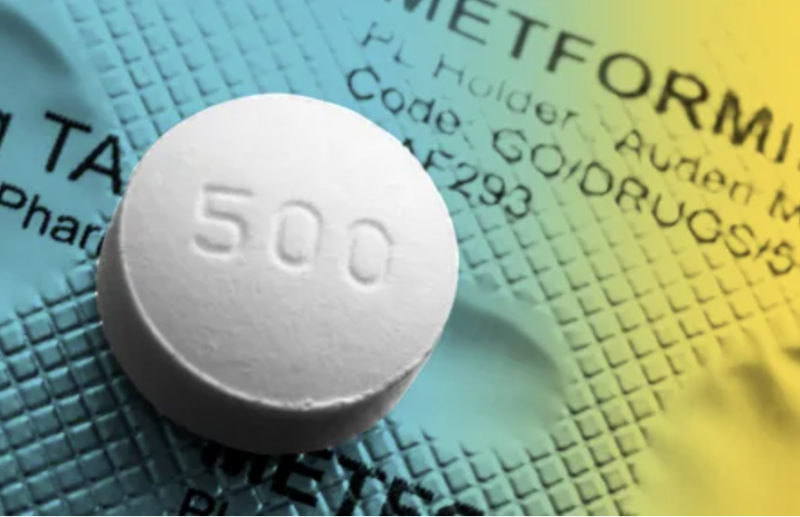
Metformin, derived from a compound found in the French lilac plant, has been studied in Europe for its ability to lower blood glucose levels. Though its exact mechanism was not fully understood at the time, early European physicians observed that it improved blood sugar with remarkable safety and was an affordable therapeutic. By the late 1950s, it was slowly gaining ground in several European countries as a promising therapy for type 2 diabetes.
But in the United States, the FDA refused to approve it. The regulators, shaken by a series of drug-related deaths from the related drug phenformin, insisted on more detailed studies and clearer explanations of its mechanism of action. They were wary of approving a molecule when the science behind its functioning seemed incomplete.
Metformin’s approval in the United States was deferred year after year. By the mid-1990s nearly four decades after its approval in Europe it was finally approved. By that time, almost 80 countries had already been using it safely and effectively. Today, metformin is recognized globally as the first-line treatment for type 2 diabetes. It reduces cardiovascular deaths, improves longevity, is cost-effective, and remains one of the safest medicines ever developed.
The United States, which escaped the thalidomide tragedy thanks to regulatory strictness, also deprived millions of diabetic Americans early access to a life saving, inexpensive drug because of that very strictness. Europe, on the other hand, suffered the consequences of its leniency with thalidomide, yet benefited immensely by giving its people early access to metformin.
Two Continents, Two Mistakes, One Dilemma
When we place these two stories side by side, something striking emerges. It is not that one regulator was wise and the other foolish. It is not that one continent valued safety and the other did not. Rather, the problem lies in the limits of scientific certainty itself. How does one “measure” science when the evidence is incomplete, when animal studies conflict with human reports, or when the mechanism of action is still a mystery?
Thalidomide seemed harmless until it wasn’t. Metformin seemed poorly understood until decades later, it became one of the safest drugs known.
If regulators were too strict, life-saving therapies risked being delayed. If they were too lenient, disasters struck. The balance between caution and compassion, between speed and scrutiny, between innovation and safety, remains a delicate one. In both cases, the clinical evidence was incomplete. Regulators had to make judgments, not merely decisions. Their choices were bound by the science available at that moment, science that was evolving, uncertain, and far from perfect.




What Philosophy Survives Both Stories?
How can the scientific community resolve this dilemma? We need disciplined discrimination, paired with either better tools or greater patience.
First, we must be strict where harm is irreversible and hard to detect. Pregnancy is the clearest case. Thalidomide teaches us that developmental toxicity can hide behind false assumptions and behind the limits of standard animal models. High thresholds here are justified.
Second, we must be molecule-specific where harms are class-confounded. Metformin teaches us that class fear can become a blunt instrument. Phenformin deserved decisive action; metformin deserved a separate judgment. Regulators need frameworks that separate siblings rather than condemn families.
Third, we must treat approval as the start of learning, not the end. Europe’s post-thalidomide evolution toward harmonized authorization and surveillance was, at its core, an attempt to institutionalize learning rather than relying on catastrophe as a teacher.
Either we develop technologies that reduce uncertainty more quickly such as better predictive toxicology, more human-relevant models, improved real-time safety analytics, and enhanced causal inference from routine care, or regulatory systems will drift toward an even slower pace. Without a disruptive improvement in how we understand risk before exposure, the safest institutional option is delay. And delay, as metformin reminds us, has costs that rarely make headlines.
Can We Measure Science Perfectly?
The twin stories of thalidomide and metformin force the scientific community to confront a difficult truth: Science cannot always be measured with perfect instruments or complete knowledge. We demand that regulators be quick, but also cautious. We want them to approve breakthrough drugs but prevent disasters. We expect them to understand mechanisms that even scientists are still discovering. Regulation is not an exact science. It is the art of making the best possible decision in a world of uncertainty.
The thalidomide tragedy led to stricter rules. The metformin delay exposed the cost of excessive caution. Both were shaped not by incompetence, but by the limitations of knowledge at that moment. Drug regulators are the unsung umpires of modern medicine. Their job is invisible when done perfectly, unbearable when it falters, and essential at every moment.
And perhaps that is why the question remains unresolved: Are we truly able to measure science efficiently, or are we simply trying to make the fairest call with the evidence available to us just like every umpire on the field?
Sangeetha Aravinda is an ophthalmologist based in Thanjavur, Tamil Nadu, India. She is an expert in microbiology, community medicine, and pharmacology.
Aravinda Chinnadurai is a public health physician, diabetologist, and academic with over 11 years of experience. He is currently a Senior Assistant Professor at the Department of Community Medicine at Thanjavur Medical College. Find Aravinda on LinkedIn
A version of this article was originally posted at The Scientist and has been reposted here with permission. Any reposting should credit the original author and provide links to both the GLP and the original article. Find The Scientist on X @TheScientistLLC