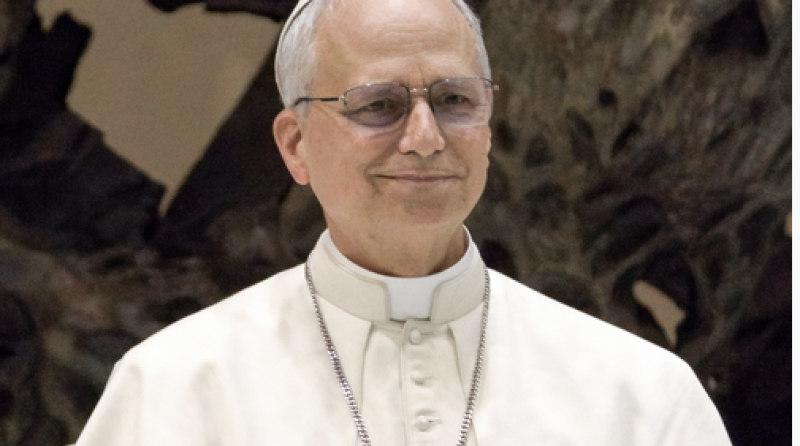

In his first encyclical, Pope Leo XIV put forth a defense of human dignity in the era of AI, delivering a far-ranging treatise on the morality of technology that included a dramatic plea for guardrails to ensure that artificial intelligence eases — rather than exacerbates — inequality and poverty.
Leo urged that AI be used to improve conditions for workers and he called for limiting the power of technology companies over the vast computing resources that could reshape how human beings live.
In the encyclical, called “Magnifica Humanitas” — “Magnificent humanity” — the tech-savvy, U.S.-born pontiff makes a resounding defense of pacifism. He also urges that humanity embrace its own limitations rather than pursue single-mindedly to overcome them.





“As with every major technological shift, AI tends to amplify the power of those who already possess economic resources, expertise and access to data,” Leo writes. “In light of the common good and the universal destination of goods, this raises serious concerns, since small but highly influential groups can shape information and consumption patterns, influence democratic processes and steer economic dynamics to their own advantage, undermining social justice and solidarity among peoples.”