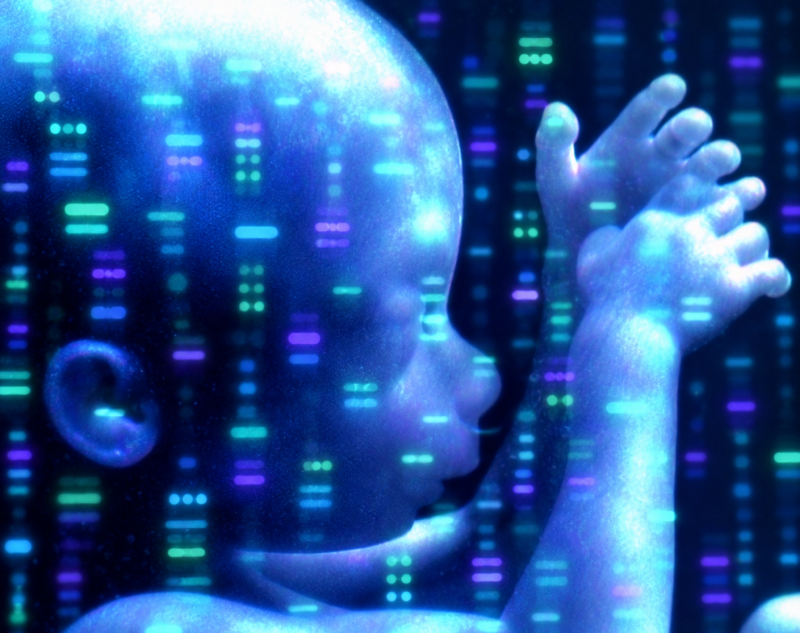
The race to genetically engineer babies

Neon Genome_ Fetal Dreamscape

A biotech entrepreneur has raised $30 million to launch Preventive, a public-benefit company dedicated to studying whether gene-edited babies can be made safely—the largest known investment yet in the field of heritable genome editing, as MIT Technology Review’s Antonio Regalado reports.

Founded by gene-editing scientist Lucas Harrington, a cofounder of Mammoth Biosciences, Preventive will research modifying embryo DNA to correct harmful mutations or install protective genes. In a blog post announcing the venture, Harrington pledged not to rush, committing instead “to rigorously researching whether heritable genome editing can be done safely and responsibly.”

The stakes are high. The first scientist to create gene-edited babies, China’s He Jiankui, was imprisoned for three years, and the procedure remains illegal in the U.S. and many other countries. Still, Harrington argues that if it proves safe, it “could become one of the most important health technologies of our time,” and he estimates editing an embryo could cost only about $5,000.

Mis- and disinformation are distorting science and public policy. Subscribe to our Daily and Weekly Digests for incisive coverage of ‘disruptive’ innovations in AI, agricultural biotechnology, food, chemicals, nuclear energy, vaccines, and other disruptive innovations.

Preventive is the third U.S. startup this year to chase the idea, after Bootstrap Bio and Manhattan Genomics. None has significant staff or facilities, and mainstream gene-editing scientists remain unconvinced. Fyodor Urnov, a gene-editing expert at the University of California, Berkeley, said the latest launch made him want to “howl with pain.” When Manhattan Genomics approached him, he replied: “I encourage you to stop. You will cause zero good and formidable harm.”

Preventive’s backers are largely undisclosed beyond SciFounders, a venture firm Harrington runs with partner Matt Krisiloff. Enthusiasm has grown among crypto figures, including Coinbase founder Brian Armstrong. Will Harborne, a crypto entrepreneur and partner at LongGame Ventures, calls the technology’s use a “societal obligation.”

Harrington hopes Preventive can coax quieter supporters into the open. “Most scientists I speak with either accept embryo editing as inevitable or are enthusiastic about the potential but hesitate to voice these opinions publicly,” he said.


Read the original article here

Related Articles

Infographic: Global regulatory and health research agencies on whether glyphosate causes cancer

Infographic: Global regulatory and health research agencies on whether glyphosate causes cancer

Does glyphosate—the world's most heavily-used herbicide—pose serious harm to humans? Is it carcinogenic? Those issues are of both legal and ...

Most Popular

Screenshot-2026-11-05-at-1.20.54-PM
$7.35 billion PFAS settlement: 3M to pay people who blame health problems on ‘forever chemicals’ phased out of firefighting foam for more than 20 years
Wave Crest Over Red Cross
Viewpoint: Here are the election-inspired Trump administration healthcare policy reversals expected in the coming months
ChatGPT-Image-Mar-10-2026-01_39_01-PM
Viewpoint—“Miracle molecule” debunked: Why acemannan supplements don’t work
Democratic Donkey Plowing at Sunset
Viewpoint: Democratic tsunami: As the red tide recedes, here are the most likely shifts in food and agricultural policy
p22_spraying_2
How climate change is driving increased pesticide usage
Aerial Sprayer Over Gradient Fields
Farming, food, and chemicals: Post-midterms, the MAHA alliance between Democrats and MAGA Republicans is bruised but not cowed. What comes next?
Blue Checklist in Centered Hand
Viewpoint: From Medicaid cuts to MAHA-backed anti-vaccine and chemical hysteria, voters reject Republicans’ science-skeptical agenda
Crumbling MAHA Stage Portrait
Cataloging the RFK Jr.-MAHA crushing midterm collapse
Screenshot-2026-11-05-at-2.47.29-PM
Collagen supplements are not a wrinkle-reducing silver bullet, but they sure cost a lot
Picture1
Viewpoint: How badly is the U.S. food-safety net fraying? FDA’s bungled handling of the tainted lettuce crisis deepens concerns over cuts to disease tracking and response
Microscopic IVF Egg Injection
With technical barriers to human embryo editing falling, ethical concerns escalate
Screenshot-2026-10-21-at-11.30.51-AM
Viewpoint: Yes, our food system stinks, but the attack of ultra-processed foods is often misplaced
glp menu logo outlined

Get news on human & agricultural genetics and biotechnology delivered to your inbox.