GM crops safe but ecological concerns need to be examined, regulated

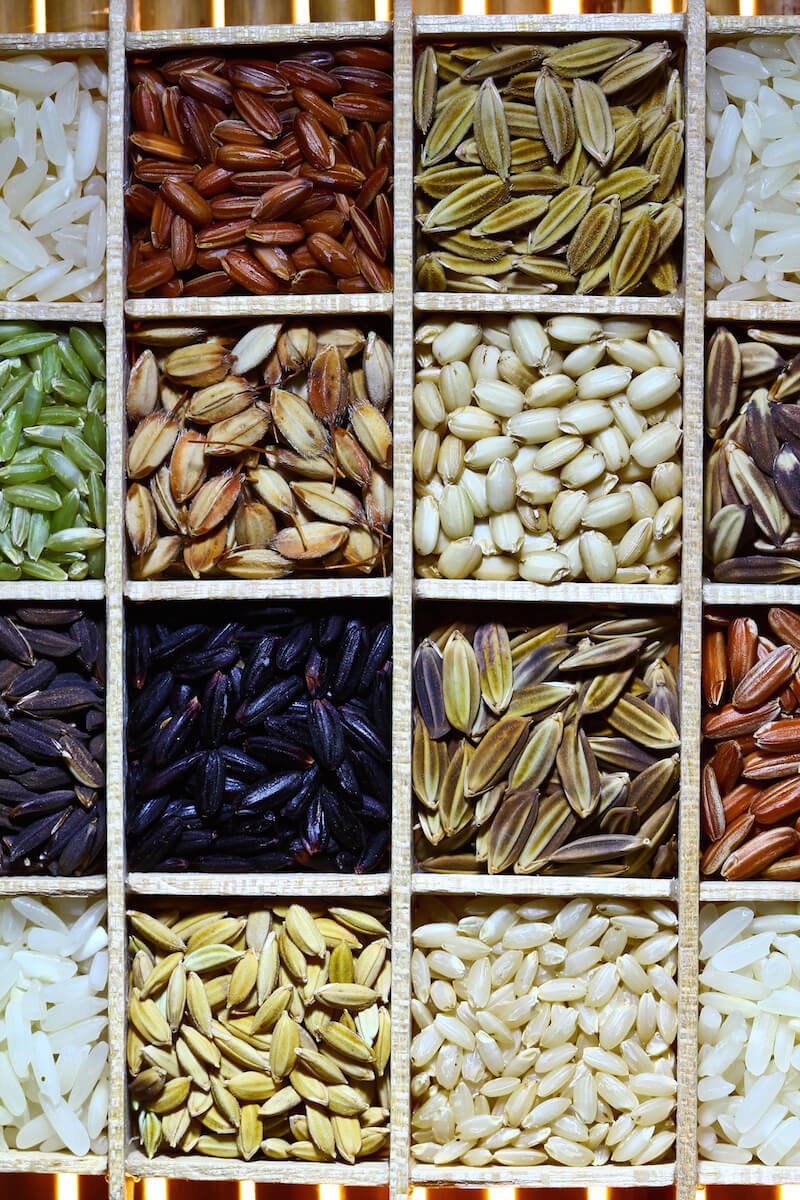
Rice diversity

Scientists have demonstrated that genetically modified organisms have no measurable negative impacts on human health. Indeed, they may hold the key to feeding a world impacted by climate change. But does this mean GMOs are completely without risk? 

GM technology is designed to be elegant and efficient, targeting only those traits which we want to enhance. But ecology is far more complex than pest + poison = problem solved. The things we don’t understand about how nature works are myriad, and oftentimes are incredibly basic. Ecologists don’t even really understand how so many species can coexist within a single environment, and it wasn’t until 1969 that Robert T. Paine figured out that some keystone species are so critical to an ecosystem that removing them causes the whole place to collapse. So it is no surprise that current regulatory standards do almost nothing to address the very real concerns surrounding GM technology.

Current regulatory procedures in the United States and EU primarily focus on human-health impacts of GMOs. Obviously these are important, and should be studied. But our regulations almost entirely ignore environmental and ecological impacts, which are a very real, and mostly-unmeasured threat. The problem is that GM regulation is cumbersome, involving multiple agencies and a whole lot of time. As a result, public researchers who study things like environmental impacts are cut out of the loop, leaving GM research in the hands of private companies like Monsanto.

GM technology really does hold great promise for addressing the needs of the projected 9 billion people on this earth by 2050. Our conventional agricultural practices aren’t going to sustainably feed the world. But the far-reaching impacts of this technology must be carefully assessed and managed, and we, as people on the planet that require food, should think carefully about how this technology is regulated.

Read the full, original article: You’re Worrying About GMOs For the Wrong Reasons

{{ reviewsTotal }}{{ options.labels.singularReviewCountLabel }}
{{ reviewsTotal }}{{ options.labels.pluralReviewCountLabel }}
{{ options.labels.noReviewsLabel }}
{{ options.labels.newReviewButton }}
{{ userData.canReview.message }}

Related Articles

Infographic: Global regulatory and health research agencies on whether glyphosate causes cancer

Infographic: Global regulatory and health research agencies on whether glyphosate causes cancer

Does glyphosate—the world's most heavily-used herbicide—pose serious harm to humans? Is it carcinogenic? Those issues are of both legal and ...

Most Popular

ChatGPT-Image-Jul-17-2026-12_42_10-PM
Viewpoint: RFK, Jr. is setting up a panel to compensate people who claim they were injured by a COVID vaccine–no proof needed 
Screenshot-2026-07-17-at-12.55.22-PM
Viewpoint: Is bagged salad a dangerous science experiment? Challenging an online misinformation campaign
ChatGPT-Image-Mar-10-2026-01_39_01-PM
Viewpoint—“Miracle molecule” debunked: Why acemannan supplements don’t work
ChatGPT-Image-Jul-6-2026-02_25_26-PM
40 million Americans take glucosamine. If you have memory loss, it could accelerate cognitive decline.
Screenshot-2026-07-01-at-2.49.48-PM
Dr. TikTok and male fertility: Viral claims tout GLP-1 drugs as fertility boosters. What does the science say?
vitamin k refuse genai
More and more babies are developing uncontrollable bleeding—linked directly to vaccine deniers' rejection of vitamin K shots
Screenshot 2026-07-11 094410
Growing animal muscle and fat cells inside rice grains and calling it beef: One of numerous genetically engineered products shaking up our ecosystem
reverse-aging
Rapamycin: Here’s the skinny on the anti-aging pill that increases the lifespan—of mice by 10%
UK scientists support loosening restrictions limiting embryo research

Are we edging closer to precisely, and safely, editing human embryos?
px-Minced-beef-meat-cow-cattle
Can we trust Trump’s USDA to accurately report farm data? Beef export numbers suggest ‘no’.
ma art page image
‘It’s time to have a conversation’: Once adamantly opposed to human gene editing, UK’s The Guardian acknowledges likely benefits
ChatGPT-Image-Jul-9-2026-02_39_22-PM
Viewpoint: Polyphenols or NAD+ supplements to combat aging: No, Gwenyth Paltrow and followers, don’t waste your money.
file-f-d-d-
Facts & Fallacies Podcast: Europe's AC debacle underscores fatal flaw in green activism
ChatGPT-Image-Jun-17-2026-03_29_08-PM
Viewpoint: What’s the impact of the U.S. abandoning support for global health?
glp menu logo outlined

Get news on human & agricultural genetics and biotechnology delivered to your inbox.