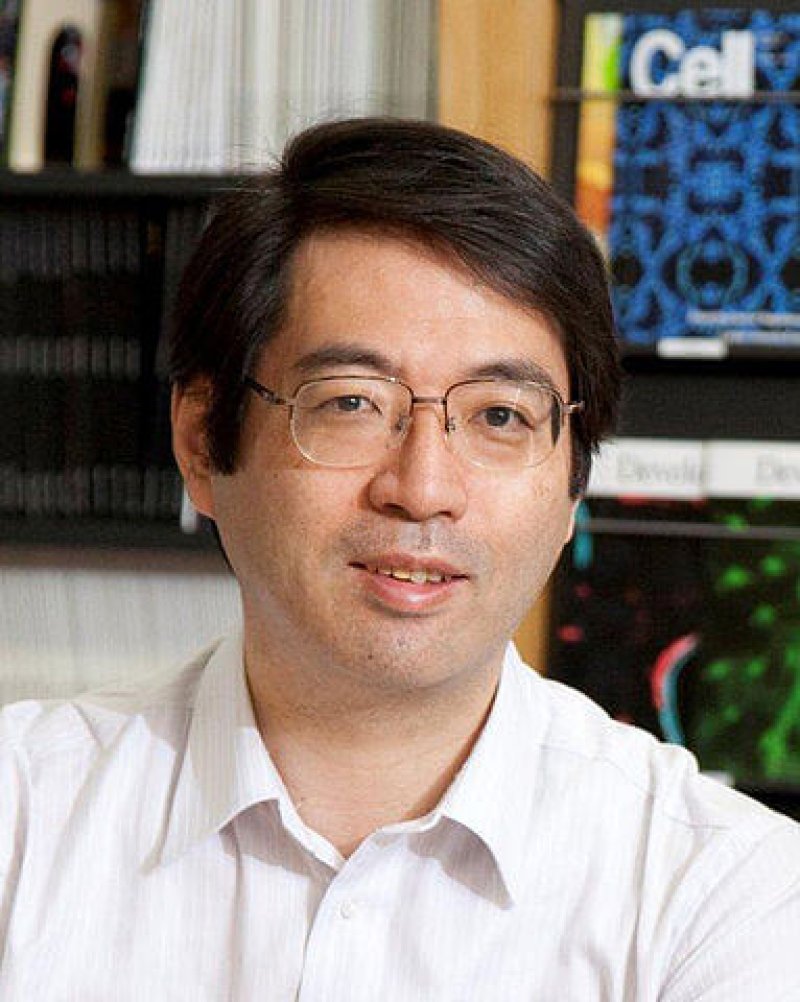

On July 2, a taciturn but brilliant Japanese stem-cell scientist named Yoshiki Sasai wrote a plaintive letter in which he expressed profound remorse. The 52-year-old, who co-wrote two trumpeted stem-cell articles in the prestigious journal Nature, was just coming to grips with their retraction and the ballooning controversy that had embarrassed his renowned research institution.
He titled his missive, “Apology regarding the paper retractions.” He wrote: “I am deeply ashamed of the fact that two papers of which I am an author were found to contain multiple errors and, as a result, had to be retracted.”
Part of what so shamed him, he said, was his failure as a mentor. “As a deputy director of our center, with responsibility for nurturing young researchers, I feel a deep responsibility for what has happened, and plan to comply with whatever decision Riken [research institute] finally reaches regarding my own status.”
He wouldn’t survive long enough to see what that decision would be. On Tuesday, Japanese police said a security guard at Riken in Kobe, Japan, found him hanging from a rope attached to a staircase railing, according to the Associated Press. Notes were found near Sasai, who died two hours later at the hospital after suffering cardiac arrest. And one of them, according to Agence France-Presse, was addressed to his star pupil, Haruko Obokata, who investigators allege fraudulently produced the now-retracted papers.




Read the full, original story: Famed Japanese stem-cell scientist dies in apparent suicide amid retraction scandal