Genetic variants altering key brain structures identified

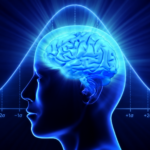
In the animal kingdom, humans are known for our big brains. But not all brains are created equal, and now we have new clues as to why that is. Researchers have uncovered eight genetic variations that help determine the size of key brain regions. These variants may represent “the genetic essence of humanity,” says Stephan Sanders, a geneticist and pediatrician at the University of California, San Francisco, who was not involved in the study.

For the analyses, neuroscientist Paul Thompson at the University of Southern California and his colleagues looked for single-letter (nucleotide base) changes in DNA that correspond to the sizes of key brain regions.

The team discovered eight “letter” differences that can shrink brain tissue by about 1.5 percent, depending on the letter inherited, Thompson and his colleagues report online today in Nature. Some of the letter variants were inside a gene, while others were near key genes.
Many of the eight genes are active during brain development and may play a role in neuropsychiatric disorders such as autism and schizophrenia, Sanders says. He hopes ENIGMA researchers will next look to see if there are links between a particular brain region’s size and one of these disorders.

Read full, original story: Eight genes that make us brainiacs

Related Articles

Infographic: Global regulatory and health research agencies on whether glyphosate causes cancer

Infographic: Global regulatory and health research agencies on whether glyphosate causes cancer

Does glyphosate—the world's most heavily-used herbicide—pose serious harm to humans? Is it carcinogenic? Those issues are of both legal and ...

Most Popular

ChatGPT-Image-Mar-10-2026-01_39_01-PM
Viewpoint—“Miracle molecule” debunked: Why acemannan supplements don’t work
ChatGPT-Image-Sep-2-2026-02_03_32-PM
How much of a problem is AI’s water use?
ChatGPT-Image-Aug-26-2026-12_46_16-PM
Viewpoint: The fake controversy over whether combining childhood vaccines is dangerous— a debate science resolved 25 years ago
ChatGPT-Image-Sep-22-2026-10_32_46-AM
There has been a slew of recent reports of food recalls and foodborne outbreaks. Do we face an escalating problem?
Screenshot-2026-09-17-at-1.07.08-PM
'We are dangerously addicted to antidepressants': Should we heed RFK Jr.’s sobering warning?
Screenshot-2026-09-23-at-11.55.01-AM
How can we know if social media bans actually help teens?
Screenshot-2026-09-17-at-12.00.30-PM
Investigative group ProPublica finds links between ectopic pregnancy deaths and abortion bans
ChatGPT-Image-Sep-23-2026-01_52_03-PM
Viewpoint: 4 very real AI doomsday scenarios
Screenshot-2026-09-03-at-10.51.20-AM
Viewpoint: Why do online health lies outlive the evidence that debunks them? Read "Everyone Else Is Lying to You"
ChatGPT-Image-Sep-21-2026-03_41_02-PM
Viewpoint: Does IQ really measure intelligence? BBC gets it wrong.
ChatGPT-Image-Sep-18-2026-01_38_09-PM
Microsoft exec: AI is a ‘doom loop’ scraping the ‘largest theft of labor in human history'
Screenshot-2026-09-23-at-3.15.09-PM
Anti-GMO activists in Pakistan rev up their campaign of dire warnings
ChatGPT-Image-Sep-17-2026-12_28_43-PM
Vitamin D, omega-3 fish oil and glucosamine supplements could cause brain damage 
glp menu logo outlined

Get news on human & agricultural genetics and biotechnology delivered to your inbox.