Environmental Working Group: WHO glyphosate cancer finding could spur legal action

ea f d b ca a e

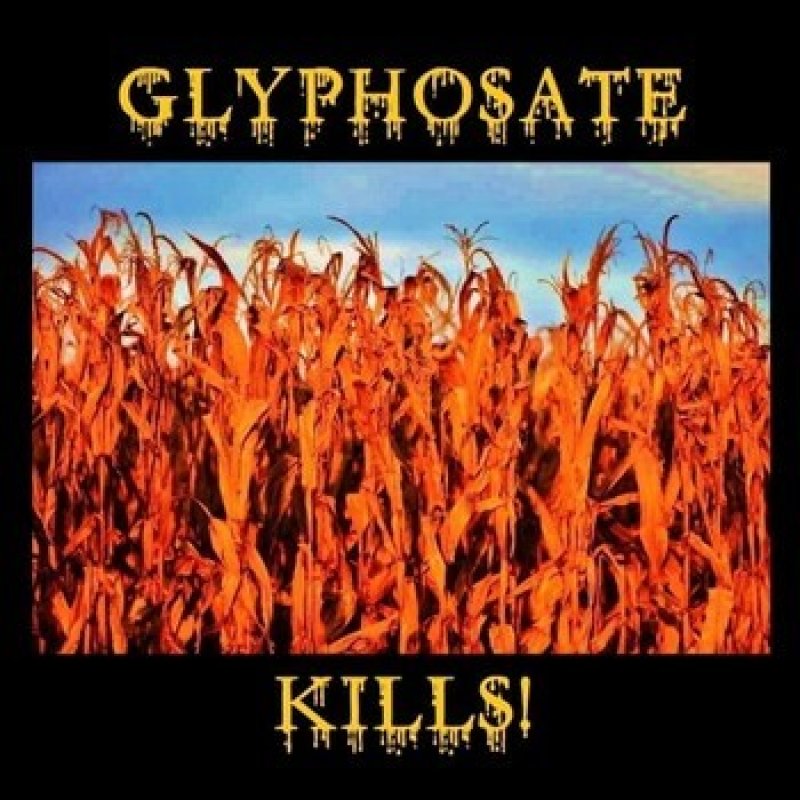
The explosion of glyphosate use in recent years has been driven primarily by the widespread adoption of GMO corn and soybeans. These GMO plants have been genetically engineered to withstand blasts of this powerful herbicide and kill the weeds around them.  The use of glyphosate in the U.S. has increased by more 500 million pounds between 1996 and 2011.

According to an article in the Lancet, “[Glyphosate] use has increased sharply with the development of genetically modified glyphosate-resistant crop varieties. Glyphosate has been detected in air during spraying, in water, and in food.”

Scientists from 11 nations met at the International Agency for Research on Cancer, a branch of the World Health Organization, earlier this month to assess the likelihood that certain pesticides used in industrial agriculture would cause cancer.

They decided to classify glyphosate as a “probable carcinogen,” a conclusion that built on IARC’s  conclusion last year that some evidence linked glyphosate to an increased risk of non-Hodgkin lymphoma, a type of blood cancer.

(Read more about last year’s study here: www.ewg.org/agmag/2014/05/study-glyphosate-doubles-risk-lymphoma.)

Because farmers have relied so heavily on glyphosate, many of them are now dealing with “superweeds” – varieties of weeds that no longer die when sprayed  – and are turning to more toxic weed killers like 2,4-D.  Dow’s Enlist Duo is a mixture of glyphosate and 2,4-D.

Given the increased use of herbicides associated with the production of GMOs, it’s no wonder more than 90 percent of consumers want to exercise their right to know if there are GMOs in their food.

Read full, original post: GMO Weed Killer’s Cancer Risk

{{ reviewsTotal }}{{ options.labels.singularReviewCountLabel }}
{{ reviewsTotal }}{{ options.labels.pluralReviewCountLabel }}
{{ options.labels.noReviewsLabel }}
{{ options.labels.newReviewButton }}
{{ userData.canReview.message }}

Related Articles

Infographic: Global regulatory and health research agencies on whether glyphosate causes cancer

Infographic: Global regulatory and health research agencies on whether glyphosate causes cancer

Does glyphosate—the world's most heavily-used herbicide—pose serious harm to humans? Is it carcinogenic? Those issues are of both legal and ...

Most Popular

ChatGPT-Image-Mar-10-2026-01_39_01-PM
Viewpoint—“Miracle molecule” debunked: Why acemannan supplements don’t work

file-f-d-d-
Facts & Fallacies Podcast: Europe's AC debacle underscores fatal flaw in green activism
ChatGPT-Image-Jul-17-2026-12_42_10-PM
Viewpoint: RFK, Jr. is setting up a panel to compensate people who claim they were injured by a COVID vaccine–no proof needed 
ChatGPT-Image-Jul-8-2026-12_32_48-PM
Viewpoint: SCOTUS strikes a blow against junk science in Bayer glyphosate case. Will it deter mass tort litigators?
ChatGPT-Image-Jul-6-2026-02_25_26-PM
40 million Americans take glucosamine. If you have memory loss, it could accelerate cognitive decline.
ChatGPT-Image-Jul-9-2026-02_39_22-PM
Viewpoint: Polyphenols or NAD+ supplements to combat aging: No, Gwenyth Paltrow and followers, don’t waste your money.
afb-a-b
As the EU loosens restrictions on agricultural gene editing, it remains years behind the rest of the world on equally-safe GMO foods
Screenshot 2026-07-11 094410
Growing animal muscle and fat cells inside rice grains and calling it beef: One of numerous genetically engineered products shaking up our ecosystem
ChatGPT-Image-Jul-7-2026-01_57_55-PM
Viewpoint: Europe’s rejection of air conditioning is the poster child for misunderstanding how to mitigate the impact of climate change
ChatGPT-Image-Jun-17-2026-03_29_08-PM
Viewpoint: What’s the impact of the U.S. abandoning support for global health?
Screenshot 2025-09-17 at 12.41
Misinformation alert: No, glyphosate use in Canadian forests is not spurring more wildfires
px-Minced-beef-meat-cow-cattle
Can we trust Trump’s USDA to accurately report farm data? Beef export numbers suggest ‘no’.
ChatGPT-Image-Jun-25-2026-12_23_17-PM
No, Bill Gates did not secretly engineer ticks to promote veganism
ma art page image
‘It’s time to have a conversation’: Once adamantly opposed to human gene editing, UK’s The Guardian acknowledges likely benefits
glp menu logo outlined

Get news on human & agricultural genetics and biotechnology delivered to your inbox.