How your gut microbiome may affect your brain and emotions

gut brain

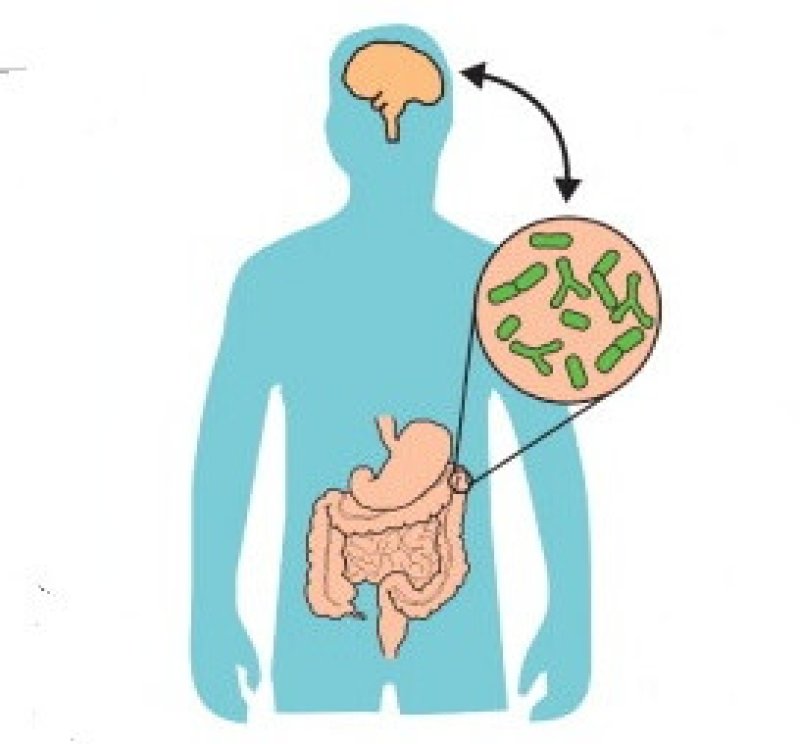
Bacteria in the gut produce vitamins and break down our food; their presence or absence has been linked to obesity, inflammatory bowel disease and the toxic side effects of prescription drugs. Biologists now believe that much of what makes us human depends on microbial activity.

‘‘It has enormous implications for the sense of self,’’ Tom Insel, the director of the National Institute of Mental Health, told me. ‘‘We are, at least from the standpoint of DNA, more microbial than human. That’s a phenomenal insight and one that we have to take seriously when we think about human development.’’

When I visited the lab of Mark Lyte at Texas Tech University Health Sciences Center, he was nearly six months into an experiment that he hoped would better establish how certain gut microbes influenced the brain, functioning, in effect, as psychiatric drugs. He was currently compiling a list of the psychoactive compounds found in the feces of infant monkeys. Once that was established, he planned to transfer the microbes found in one newborn monkey’s feces into another’s intestine, so that the recipient would end up with a completely new set of microbes — and, if all went as predicted, change their neurodevelopment. The experiment reflected an intriguing hypothesis. Anxiety, depression and several pediatric disorders, including autism and hyperactivity, have been linked with gastrointestinal abnormalities. Microbial transplants were not invasive brain surgery, and that was the point: Changing a patient’s bacteria might be difficult but it still seemed more straightforward than altering his genes.


The GLP aggregated and excerpted this blog/article to reflect the diversity of news, opinion and analysis. Read full, original post: Can the Bacteria in Your Gut Explain Your Mood?


Related Articles

Infographic: Global regulatory and health research agencies on whether glyphosate causes cancer

Infographic: Global regulatory and health research agencies on whether glyphosate causes cancer

Does glyphosate—the world's most heavily-used herbicide—pose serious harm to humans? Is it carcinogenic? Those issues are of both legal and ...

Most Popular

Screenshot-2026-10-01-at-10.52.08-AM
Non-browning CRISPR gene-edited bananas move one step closer to British markets
AI-Force-Leadership-Portrait
Jay Clayton controversy: The divisive history of Trump’s newly-appointed AI czar
Screenshot-2026-09-22-at-10.54.12-AM
‘They misunderstand science’: Research attempting to tie autism to changes in the gut microbiome comes under fire
ChatGPT-Image-Mar-10-2026-01_39_01-PM
Viewpoint—“Miracle molecule” debunked: Why acemannan supplements don’t work
Elderly-Speaker-at-MAHA-Institute
At anti-vaccine MAHA conference, RFK Jr. pledges to unify federal health information and combat vaccine safety ‘misinformation’
ChatGPT-Image-Sep-21-2026-11_21_39-AM
Viewpoint: Food cults: Online ‘nutrition communities’ can pose unique dangers
Screenshot 2026-10-01 at 12.30
Combating ‘narrative distortion’: Will pharma companies step up to challenge health misinformation?
ChatGPT-Image-Sep-10-2026-10_36_07-AM
Viewpoint: Even lousy scientific articles can shield authors when they hype dubious health claims and products
Screenshot-2026-10-01-at-11.21.27-AM
Vaccine hesitancy, like malaria, surges globally, topping 35% in some countries
ChatGPT-Image-Sep-21-2026-03_15_09-PM
Viewpoint: Chipotle-inspired lesson: 10,000 sick customers suggest that processed foods can be safer than fresh ones
glp menu logo outlined

Get news on human & agricultural genetics and biotechnology delivered to your inbox.