GM moths could offer non-toxic pest control option for vegetables

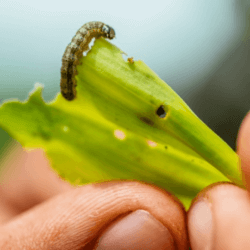
A genetically modified moth could help curb a major pest of vegetable crops around the world, research suggests.

The diamondback moth feeds on cabbage, broccoli and other crucifers causing an estimated $5bn in damage per year.

But male moths with a “self-limiting” gene produce female offspring that do not survive to reproduce.

When released into the wild to mate with wild-type females, the GM male moths should over time cause populations of the pest to crash.

A new study published in BMC Biology shows that the technique works very well in confined conditions.

The GM moths have been developed by the British company Oxitec, based in Oxford. And the publication of the paper comes ahead of field trials of the GM moth – in which the insects will be studied under netting – at Cornell University in New York this summer.

Opening doors

The tests outlined in the latest study were conducted in 2013 in greenhouses at Rothamsted Research in Hertfordshire. The results show that populations were brought under control within 10 weeks of starting GM moth releases.

“This research is opening new doors for the future of farming with pest control methods that are non-toxic and pesticide-free,” said Dr Neil Morrison, lead research scientist on the diamondback moth programme at Oxitec and a co-author on the paper.

Oxitec points out that other methods for pest control such as insecticides can affect a broad variety of insect life including pollinators such as bees. The GM moth approach, meanwhile, is species-specific, affecting only the targeted pest. The moths can be eaten by birds or other animals with no adverse effects.

The GLP aggregated and excerpted this blog/article to reflect the diversity of news, opinion and analysis. Read full, original post: GM moths ‘can curb pest invasion’

 

Related Articles

Infographic: Global regulatory and health research agencies on whether glyphosate causes cancer

Infographic: Global regulatory and health research agencies on whether glyphosate causes cancer

Does glyphosate—the world's most heavily-used herbicide—pose serious harm to humans? Is it carcinogenic? Those issues are of both legal and ...

Most Popular

ChatGPT Image Jul 31, 2026, 08_05_37 AM
26% and far worse than during COVID: Under RFK Jr., Americans’ opinion of ‘revamped’ CDC hits an all-time low
Cancer mRNA Vaccine Concept
'A new frontier': Though scorned by RFK Jr., personalized mRNA vaccine offers hope for many suffering from melanoma skin cancer
ChatGPT-Image-Mar-10-2026-01_39_01-PM
Viewpoint—“Miracle molecule” debunked: Why acemannan supplements don’t work
Screenshot-2026-10-26-at-11.06.10-AM
Viewpoint: The organic, good-food, small-farm movement is seductive but wrongheaded. Here’s the sustainability and environmental case for industrial farming
Screenshot-2026-10-24-121036
Many hospitals embrace longevity medicine. Are they separating science from hype?
Picture1
Viewpoint: How badly is the U.S. food-safety net fraying? FDA’s bungled handling of the tainted lettuce crisis deepens concerns over cuts to disease tracking and response
China Innovation Lightbulb 2
China’s 5-year plan to accelerate science innovation is putting the U.S. and Europe in the rearview mirror
Screenshot-2026-10-23-at-10.37.12-AM
Viewpoint: Drones, dollars and baby food: Critical innovations that anti-plastic ideologues willfully ignore
Screenshot 2026-10-16 at 5.38
PFAS in Agriculture: Science, Uncertainty, and Risk Communication
Crimson Drips Over the White House
In Trump administration redirect, U.S. steers NIH sharply away from biodefense and pandemic preparedness
Healthy Food Sensitivity Test Collection
Viewpoint: That’ll be $300: The wellness industry’s junk science scam to ‘fix’ your immune system that isn’t broken
Rustic Skillet of Raw Brains
‘Weird food’? Testicle- and brain-eating, supplement-gulping MAHA health food enthusiasts defend their ‘natural’ diets
Screenshot-2026-10-19-at-12.04.51-PM
Victims of their own success: As memories of killer diseases fade, vaccine rejectionism soars
West-Virginia-SNAP-Water-Bottle-Sticker
A ‘shining success’ or 'empty promises’: Two years along, West Virginians assess MAHA’s food promises
glp menu logo outlined

Get news on human & agricultural genetics and biotechnology delivered to your inbox.