Opponents of Bt brinjal in Bangladesh employ false media reports and scare tactics

kccoX gfadj

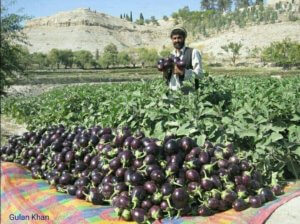
Media reports are claiming that Bt brinjal (eggplant) has failed in the field and that farmers in Bangladesh are regretting growing it. The stakes are high: this is South Asia’s first GMO food crop, developed in the public sector for distribution to resource-poor farmers. The anti-GMO lobby knows that if farmers successfully adopt this new crop, their cause of banning the technology permanently will be harmed.

The rationale for the new variety is very simple – it is resistant to the endemic pest called fruit and shoot borer by carrying the Bt gene, and therefore requires drastically less pesticide.

The latest media report, online here, claims farmer Mansur Sarkar is furious at the non-performance of his Bt brinjal crop. The article also alleges that Sarkar and another are demanding compensation for being “guinea pigs” and for loss of livelihood. International media and Twitter are already interested in this story.

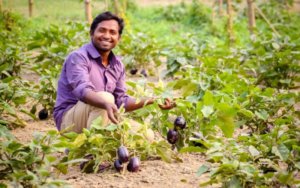
However, it is entirely false. I myself, along with others from Cornell University and the Bangladesh Agricultural Research Institute (BARI), visited the same farm a day earlier and found the crop in good health and the farmer happy. I have the photos to prove it.
In addition to false reporting, anti-GMO activists are now spreading scare stories about Bt brinjal  directly to farmers and consumers. Several of the farmers I visited in Rangpur had been visited by an anti-GMO activist posing as a journalist who told them that if their children ate Bt brinjal they would become paralysed.

If people reject Bt brinjal, then Bangladeshis will continue to consume brinjal laced with dangerous pesticides. This is why the Agriculture Minister recently asked whether the anti-GMO activists were receiving money from insecticide manufacturers.

The GLP aggregated and excerpted this blog/article to reflect the diversity of news, opinion and analysis. Read full, original post: Bt brinjal in Bangladesh – the true story

Related Articles

Infographic: Global regulatory and health research agencies on whether glyphosate causes cancer

Infographic: Global regulatory and health research agencies on whether glyphosate causes cancer

Does glyphosate—the world's most heavily-used herbicide—pose serious harm to humans? Is it carcinogenic? Those issues are of both legal and ...

Most Popular

ChatGPT-Image-Mar-10-2026-01_39_01-PM
Viewpoint—“Miracle molecule” debunked: Why acemannan supplements don’t work
Screenshot-2026-09-10-at-11.50.46-AM
Did COVID vaccines kill 2,500 service members? RFK Jr. hires an investigator who compares vaccine promoters to Nazi doctors
Screenshot-2026-09-11-at-2.26.23-PM
Newly approved GMO chestnut trees planted across from the White House are stirring debate
ChatGPT-Image-Sep-13-2026-10_24_17-AM
Bayer urges court to approve $7.25 billion Monsanto Roundup settlement that could limit its future liabilities
ChatGPT-Image-Sep-15-2026-06_05_13-PM
CRISPR fine-tuning unlocks vitamin C-rich potatoes without yield loss
ChatGPT-Image-Sep-15-2026-05_59_18-PM
RFK Jr. spent two years distancing himself from Children’s Health Defense. Now he’s keynoting its anti-vaccine DC conference.
Screenshot-2026-09-10-at-12.20.19-PM
'Jet fuel didn't melt the steel': 9/11 conspiracy theories debunked
ChatGPT-Image-Aug-28-2026-03_33_46-PM
Viewpoint: Bad science—Five bogus Trump administration claims about vaccines and autism
Screenshot 2026-09-10 at 11.28
A meaty problem: How to make cell-grown protein taste like steak, chicken, and seafood
Screenshot-2026-09-15-at-11.04.54-AM
Viewpoint: Childhood deaths in dispute: Why the CDC vs Pennsylvania conflict over measles vaccines matters
ChatGPT-Image-Aug-14-2026-11_16_47-AM
Fibermaxxing: Latest Instagram diet craze raises hope that a fiber-rich diet can improve health
organic-labeling-slide-dcba-aa-c-a-dde-a-fcd-e-c-d-
Viewpoint: Organic food costs more—but is it healthier, safer, and more nutritious? The latest science findings may surprise you.
glp menu logo outlined

Get news on human & agricultural genetics and biotechnology delivered to your inbox.