New IVF genetic screening technique gives newborns disease-free birth

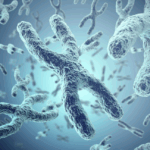
Melbourne IVF was the first clinic in the state to introduce karyomapping, a test that allows couples to screen the embryos before they undergo fertility treatment to prevent passing on diseases such as cystic fibrosis, Huntington’s disease, Duchenne muscular dystrophy and two genes that increase the risk of breast and ovarian cancer.

The Melbourne family lost their four week old to a life-threatening hereditary condition, but thanks to the new technology they are now celebrating the birth of a healthy baby boy.

On the same day their baby was born, a Sydney couple who used the technology gave birth to a baby who does not carry the BRCA 1 breast and ovarian cancer gene.

Mike and Victoria, who declined to have their surname used, wanted desperately to have a healthy baby after losing their first child to Congenital Myasthenic syndrome.

They supplied samples of their own blood and those from their first baby Charlie to help scientists work out which gene was affected.

“karyomapping allows to more easily to find out if an embryo is carrying an affected gene,” Melbourne IVF’s Dr. Lyndon Hale said.

They then select embryos that don’t have the defective gene and implant them, improving the chance of the couple having a healthy child.

This type of pre-implantation genetic test is only possible when the exact gene mutation can be identified.

The GLP aggregated and excerpted this blog/article to reflect the diversity of news, opinion and analysis. Read full, original post: Melbourne IVF uses karymapping to screen embryos for genetic illness, disease

{{ reviewsTotal }}{{ options.labels.singularReviewCountLabel }}
{{ reviewsTotal }}{{ options.labels.pluralReviewCountLabel }}
{{ options.labels.newReviewButton }}
{{ userData.canReview.message }}

Related Articles

Infographic: Global regulatory and health research agencies on whether glyphosate causes cancer

Infographic: Global regulatory and health research agencies on whether glyphosate causes cancer

Does glyphosate—the world's most heavily-used herbicide—pose serious harm to humans? Is it carcinogenic? Those issues are of both legal and ...

Most Popular

Credit: ACSH
Viewpoint: Who and what’s to blame for the surge in vaccine-preventable diseases?
ChatGPT-Image-May-28-2026-12_56_54-PM
Viewpoint: Vaccines' non-specific effects? The ‘shoddy’ Danish couple whose 'research’ inspires RFK, Jr.’s health delusion
Screenshot-2026-06-08-at-10.19.30-AM
‘Natural’ wellness supplements linked to liver injury
ChatGPT Image Jun 3, 2026, 03_14_43 PM
Viewpoint: How Earthjustice became the poster child for the abuse of special interest activist funding
Screenshot-2026-06-05-at-2.12.30-PM
Some plants can poison you. So how did humans figure out what is safe to eat?
Screenshot 2025-08-25 203032
Mazzenga’s 20-year old muscles: How a still-going-strong 92-year old sprinter wins every race she enters
Screenshot-2026-06-08-at-11.05.51-AM
Can vaping lead to cancer? New ‘association study’ raises questions of “links"
Screenshot-2026-06-05-at-3.30.20-PM
Republican lawmakers spread misinformation claiming solar farms permanently destroy potato farms
Organic-Produce
Viewpoint: Why you should ignore organic food advocates’ advice to avoid ‘pesticide soaked’ conventional fruits and vegetables
Screenshot 2025-07-30 at 10.48
Can gene editing eliminate Down syndrome? Scientists have done it in lab-grown cells
edb7f6d7-2370-418f-9578-74e29678e35c
Facts & Fallacies Podcast: Nicotine vaping—public health miracle, or risk to children? Professor Cliff Douglas
ChatGPT-Image-Mar-10-2026-01_39_01-PM
Viewpoint—“Miracle molecule” debunked: Why acemannan supplements don’t work
ChatGPT-Image-Jun-5-2026-02_48_23-PM
Viewpoint: How Dr.TikTok (falsely) convinced me that cortisol was running my health
glp menu logo outlined

Get news on human & agricultural genetics and biotechnology delivered to your inbox.