
The GLP aggregated and excerpted this blog/article to reflect the diversity of news, opinion and analysis.
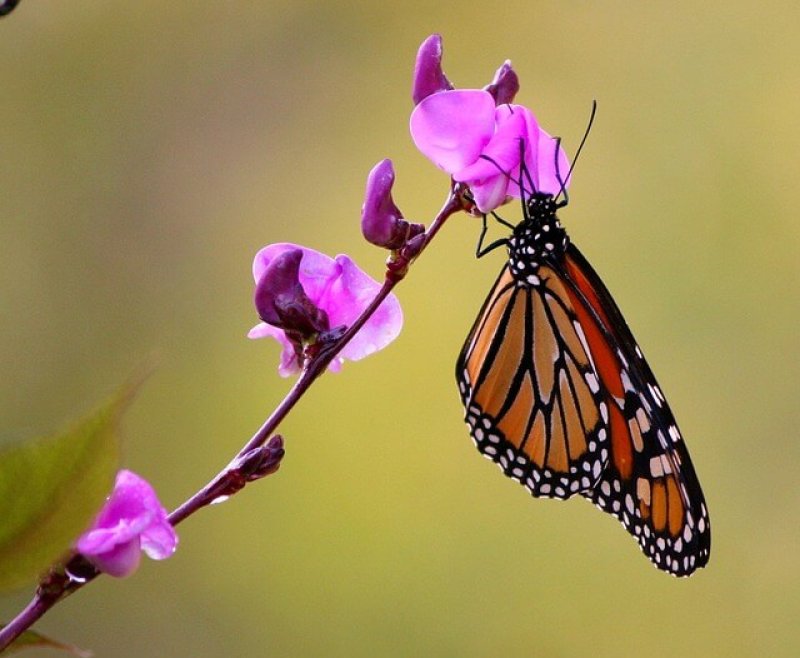
Late last year, Jonathan Lundgren, an entomologist with the USDA, submitted an article to a scientific journal describing how the pesticide clothianidin, a neonicotinoid, harmed monarch butterflies. It was accepted but, in February, a supervisor informed Lundgren that the paper shouldn’t have been submitted without official approval. It was sensitive.
Not long after, the National Academy of Sciences scheduled Lundgren to speak about the effects of GM crops on farmland ecology. Lundgren accepted, but didn’t complete the requisite agency paperwork—something that’s technically against the rules, but not unusual. Lundgren was reportedly boarding the plane when instructed to return home.
In August the USDA formally suspended Lundgren for these transgressions. But according to Lundgren, he wasn’t punished for breaking a few rules– he was punished for his science.
This is a disturbing allegation. The ramifications extend beyond Lundgren to other scientists who might be discouraged from studying important but politically contentious topics.
On October 28, the watchdog group Public Employees for Environmental Responsibility (PEER), filed a federal whistleblower complaint on Lundgren’s behalf.



It’s not yet clear what actually happened in Lundgren’s case. The USDA declined to discuss Lundgren’s case specifically, but said that “we take the integrity of our scientists seriously and we recognize how critical that is to maintaining widespread confidence in our research.”
PEER has collected allegations by other USDA researchers who haven’t yet gone public, but describe pressure not to pursue certain lines of research.
When President Obama took office, he pledged to restore a scientific integrity corroded during the Bush Administration, when government science was routinely distorted to fit political ends. On our farms, that might still be the case.
Read full, original post: Is the USDA Silencing Scientists?