What do you agree to when your DNA is tested?

post dna testing

The GLP aggregated and excerpted this blog/article to reflect the diversity of news, opinion and analysis.

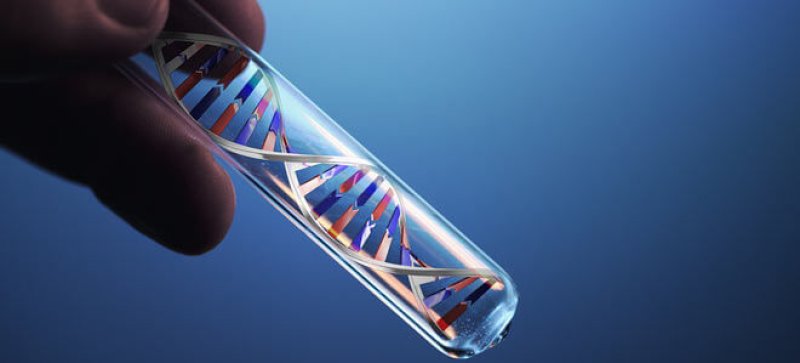
Getting your DNA sequenced is now so cheap and easy that you don’t need to see a medical professional. A variety of online companies are offering direct-to-consumer (DTC) genetic tests for health or recreational purposes. These tests claim to detect a wide range of characteristics, from the risk of diseases such as breast cancer or Alzheimer’s or other conditions such as baldness, to specific talents or even romantic compatibility. But when you purchase one of these tests there’s a good chance you don’t know everything you’ve agreed to.

Whether logging into Facebook or downloading a film, you’ve probably “signed” one of these contracts, perhaps without even realising. But do you have any idea what you have agreed to? Avoiding the internet completely is now practically impossible for most of us, yet the content of the contracts we enter into is to a large extent unknown. After all, who has the time to read all these documents, which can be many tens of pages long? Amazon’s and iTunes’ contracts are longer than Hamlet and Macbeth respectively. Even if the contracts are displayed clearly on a website you may not notice them.

It’s the same when you purchase a DNA test online. DTC contracts and privacy policies often resemble those of large internet firms, using standard terms that are not tailored to the services they offer. Under UK and EU regulations, some of these contracts may even qualify as containing unfair terms.

Read full, original post: Take an online DNA test and you could be revealing far more than you realise

{{ reviewsTotal }}{{ options.labels.singularReviewCountLabel }}
{{ reviewsTotal }}{{ options.labels.pluralReviewCountLabel }}
{{ options.labels.newReviewButton }}
{{ userData.canReview.message }}

Related Articles

Infographic: Global regulatory and health research agencies on whether glyphosate causes cancer

Infographic: Global regulatory and health research agencies on whether glyphosate causes cancer

Does glyphosate—the world's most heavily-used herbicide—pose serious harm to humans? Is it carcinogenic? Those issues are of both legal and ...

Most Popular

ChatGPT-Image-Jun-19-2026-04_11_20-PM
Daubert for Dummies—Scientific Reliability in U.S. Courts: Daubert, Rule 702, and Made-for-Litigation Evidence
ChatGPT-Image-Jun-25-2026-01_14_50-PM
Viewpoint: Disinformation grift: The wellness industry is a lucrative and mostly worthless marketplace of ‘balms, brews, and baloney’
ChatGPT-Image-Jun-25-2026-12_23_17-PM
No, Bill Gates did not secretly engineer ticks to promote veganism
ChatGPT-Image-Mar-10-2026-01_39_01-PM
Viewpoint—“Miracle molecule” debunked: Why acemannan supplements don’t work
Screenshot-2026-06-05-at-2.12.30-PM
Some plants can poison you. So how did humans figure out what is safe to eat?
ChatGPT-Image-Jun-23-2026-12_19_35-PM
Ideological red flag: Led by anti-vax doctor, Tennessee is now the U.S. epicenter selling potent ivermectin shown worthless to prevent or treat Covid
Screenshot-2026-06-30-at-10.43.50-AM
Viewpoint: Why are there no approved bioengineered insect-protected (Bt) apples?
ChatGPT-Image-Mar-4-2026-09_39_03-AM
Transgender female athletes and Title IX: Separating ‘policy’ from ‘legality’
marijuana-pot-in-hand-nveri-st-xpm-t-abq-fkifeos-s-rws-cmpx-
Facts & Fallacies podcast: Legalized weed drives drug addiction, psychosis?
ChatGPT-Image-Jun-22-2026-01_30_11-PM
Facts & Fallacies podcast: Psychedelics for PTSD? Examining RFK, Jr's claims about ibogaine

Sorry. No data so far.

glp menu logo outlined

Get news on human & agricultural genetics and biotechnology delivered to your inbox.