Insect resistant GMO soybeans dramatically reducing pesticide use in Brazil

Screen Shot at AM
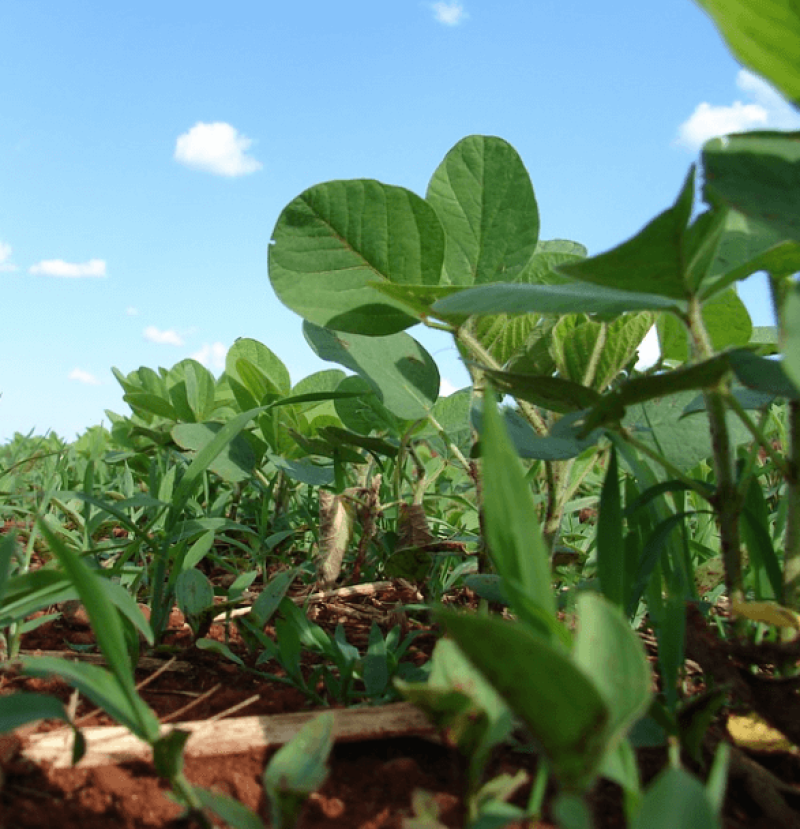
Young soybean plants in a field in Brazil, Public Domain photo

The GLP aggregated and excerpted this blog/article to reflect the diversity of news, opinion and analysis.

Monsanto Co.’s new Intacta soybeans are not only killing bugs on Brazilian farms. They’re crushing demand for insecticides made by competitors DuPont Co. and FMC Corp.

Intacta soybeans, which are genetically engineered for the Latin America market to produce their own insecticide, will be planted on 35 million acres during the current growing season, . . . That exceeds the company’s 30 million-acre forecast and is more than double the 15 million acres planted last year.

Intacta’s success is hurting pesticide makers. DuPont last week said it won’t restart a Texas factory that makes Lannate insecticide partly because “insect resistant crops” have eroded sales. Intacta is causing “a structural shift in demand” for certain above-ground insecticides, said Brett Wong, an analyst at Piper Jaffray. The seeds are taking sales from chemical producers such as FMC, Dow Chemical Co., Syngenta AG and Bayer AG, he said.

. . . .

The intensity of crop-chomping bugs probably makes Brazil the largest insecticide market in the world, said Wong, who toured the country last week. Soybean growers in northern Brazil who normally make six to 10 insecticide applications a season require only one or two sprays with Intacta crops. Farmers in the central part of the country have less insect pressure, but still cut insecticide use enough with Intacta beans to make the additional seed cost worth the investment, Wong said.

Read full, original post: Monsanto Killing DuPont Insecticide Sales With New Soybeans

{{ reviewsTotal }}{{ options.labels.singularReviewCountLabel }}
{{ reviewsTotal }}{{ options.labels.pluralReviewCountLabel }}
{{ options.labels.newReviewButton }}
{{ userData.canReview.message }}

Related Articles

Infographic: Global regulatory and health research agencies on whether glyphosate causes cancer

Infographic: Global regulatory and health research agencies on whether glyphosate causes cancer

Does glyphosate—the world's most heavily-used herbicide—pose serious harm to humans? Is it carcinogenic? Those issues are of both legal and ...

Most Popular

ChatGPT-Image-Apr-20-2026-11_17_18-AM-2
10,000 scientists gone: Trump’s cuts create an unprecedented brain drain
Screenshot-2026-04-15-at-1.22.58-PM
Anti-biotechnology activists smear hybrid wheat breakthrough that could surge yields in poorer countries
ChatGPT-Image-Apr-22-2026-04_31_20-PM
‘Irresponsible decision’? On mandatory military flu shots, Hegseth chooses ‘freedom’ over health
Screenshot-2026-04-22-at-4.10.32-PM
Viewpoint — ‘Completely unethical’: RFK, Jr.’s medical ignorance deprives melanoma cancer-sufferers of a life-saving therapy
ChatGPT-Image-Apr-20-2026-12_28_36-PM
Vaccine skepticism is a growing global problem
ChatGPT-Image-Apr-17-2026-03_30_52-PM
Food labels, decoded: What they really mean
ChatGPT-Image-Apr-21-2026-11_30_48-AM
Stupid study of the month: Eating fresh fruits and vegetables can lead to cancer
Screenshot-2026-04-20-at-3.34.46-PM
Viewpoint: How do you sell evidence-based health and science in a world where facts don’t matter?
ChatGPT-Image-Mar-2-2026-03_22_54-PM
Why ‘support supplements’ for GLP-1 users are mostly a waste of money
images
The never-ending GMO debate: Pros and cons
ChatGPT-Image-Mar-11-2026-11_58_46-AM
The Trump administration has run out more than 4,000 National Institutes of Health employees. Here are the consequences
Screenshot-2026-04-22-at-1.14.34-PM
Latest fevered, right-wing conspiracy: Fox, New York Post, and kooky GOP legislators push ‘Dead Scientists’ scare
glp menu logo outlined

Get news on human & agricultural genetics and biotechnology delivered to your inbox.