Varroa mites again implicated in bee losses

Screen Shot at PM

The GLP aggregated and excerpted this blog/article to reflect the diversity of news, opinion and analysis.

The Bee Informed Partnership takes an annual survey of commercial and backyard beekeepers in order to track health and survival rates of honey bee colonies. The latest results show that colonies declined 44 percent during the year spanning April 2015 to April 2016.

. . . .

There are three reasons why lazy journalists . . . are not only getting it wrong claiming pesticides are a cause, they are misrepresenting the data:

1) Surveys are not studies. Beekeeping has become a fad and that means a whole lot of amateurs have killed a whole lot of bees. . . .

2) They use both winter loss and summer loss combined. Lots . . . of bees die during the winter. . . so this combined number doesn’t have much validity because it hasn’t been gathered long enough – only six years. . . .

The real difference this year over last: 3.5 percent. In nature, that is statistical wobble.

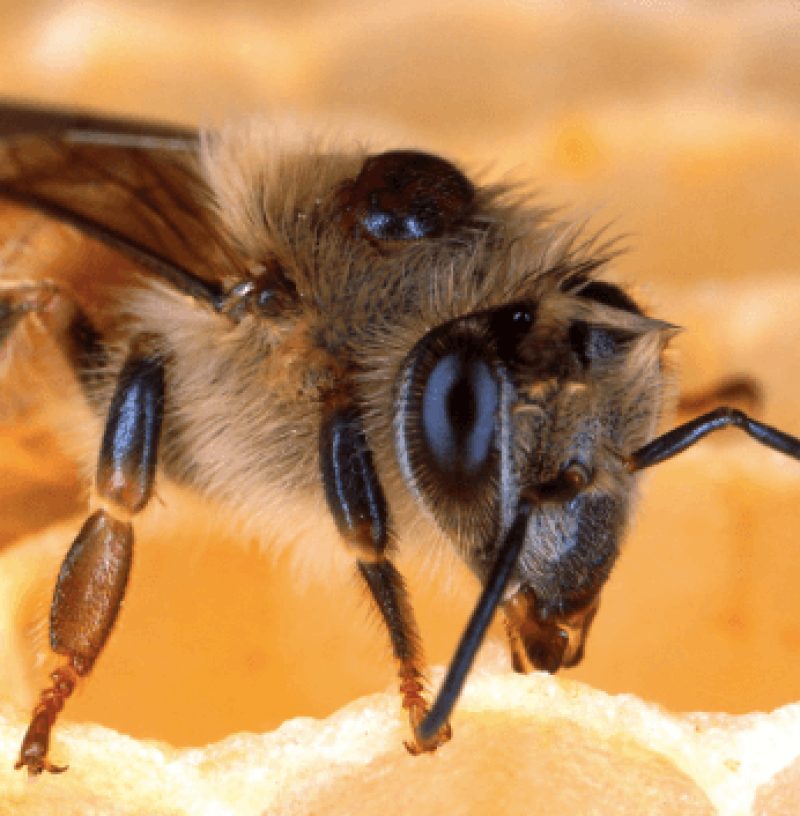
3) . . . . The biggest culprit is the varroa mite, a deadly parasite that rapidly spreads spread between colonies but doesn’t show up in surveys. . . .

Though journalists are making this a pesticide issue, the scholars behind the work don’t.

“We’re now in the second year of high rates of summer loss, which is cause for serious concern,” Dennis van Engelsdorp, an assistant professor of entomology at the University of Maryland and project director for the Bee Informed Partnership, said in their statement. “. . . the fact that beekeepers are losing bees in the summer, when bees should be at their healthiest, is quite alarming.”

He said much the same thing last May, and implicated parasites. “Our biggest surprise was the high level of varroa. . . . Moreover, varroa’s ability to spread viruses presents a more dire situation than we suspected.”

Read full, original post: 3 Non-Pesticide Reasons Beekeepers Lost 44 Percent Of Bees In 2015-16

{{ reviewsTotal }}{{ options.labels.singularReviewCountLabel }}
{{ reviewsTotal }}{{ options.labels.pluralReviewCountLabel }}
{{ options.labels.newReviewButton }}
{{ userData.canReview.message }}

Related Articles

Infographic: Global regulatory and health research agencies on whether glyphosate causes cancer

Infographic: Global regulatory and health research agencies on whether glyphosate causes cancer

Does glyphosate—the world's most heavily-used herbicide—pose serious harm to humans? Is it carcinogenic? Those issues are of both legal and ...

Most Popular

ChatGPT-Image-Jun-16-2026-10_29_11-AM
What’s behind Anthropic’s warning about the accelerating development of AI
ChatGPT-Image-Jun-16-2026-10_01_45-AM-2
Viewpoint—Recursive self-improvement: AI leader Anthropic calls for AI slowdown
Screenshot-2026-06-16-at-10.02.22-PM
Viewpoint: ‘Industrial food’ primer—Challenging the dangerous delusions of the alternative food movement
Screenshot-2026-06-17-at-11.57.12-AM
Viewpoint: Raw milk and the myth of safety—ProPublica exposes the growing anti-homogenization movement
ChatGPT-Image-Jun-9-2026-01_11_37-PM
Turmeric supplements: More risks than benefits
ChatGPT-Image-Jun-15-2026-02_31_28-PM-2
Trump-appointed cancer panel head backed by supplement and anti-vaccine companies promotes discredited support for ivermectin as a potential cure
ChatGPT-Image-Jun-4-2026-03_07_27-PM
AAP v. Kennedy: While a court challenge grinds on, RFK Jr. quietly advances his anti-vaccine conspiracy agenda
ChatGPT-Image-Mar-10-2026-01_39_01-PM
Viewpoint—“Miracle molecule” debunked: Why acemannan supplements don’t work
Screenshot-2026-06-16-at-11.23.32-AM
In a rebuke to RFK, Jr.’s anti-vax crusade, journal retracts study claiming hepatitis B vaccine–autism link
ChatGPT Image Jun 16, 2026, 12_03_37 PM
Kennedy accused of trying to ‘bully’ science journal that retracted study linking vaccines to infant deaths
newborn infant baby mother
Facts & Fallacies Podcast: The truth about vitamin K shots
Screenshot 2025-07-30 at 10.48
Can gene editing eliminate Down syndrome? Scientists have done it in lab-grown cells
glp menu logo outlined

Get news on human & agricultural genetics and biotechnology delivered to your inbox.