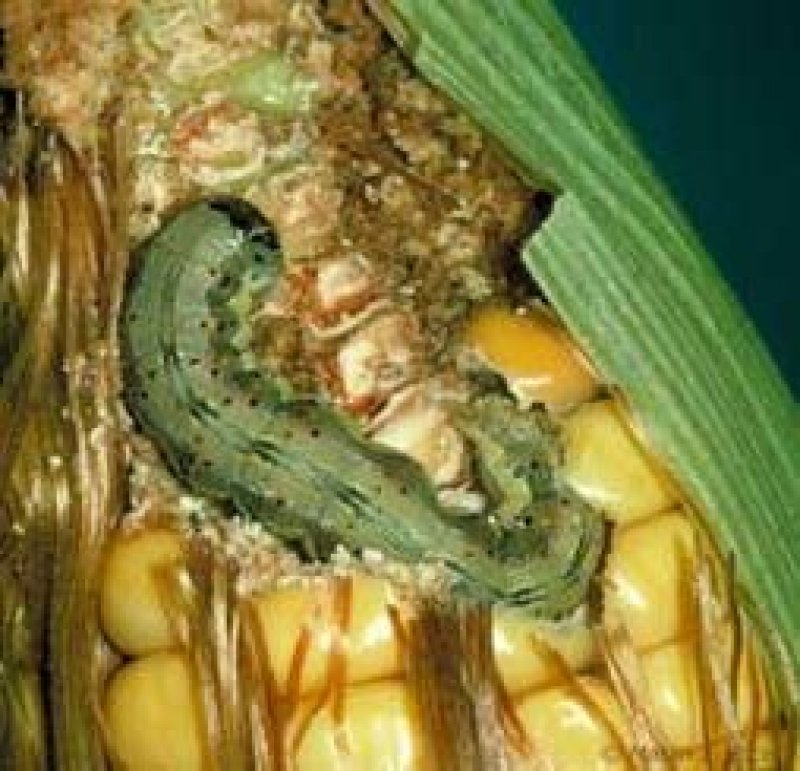
Insect resistant Bt corn losing effectiveness against earworm, study finds

earworm feeding e

Editor’s Note: This article discusses a research paper called “Field-Evolved Resistance in Corn Earworm to Cry Proteins Expressed by Transgenic Sweet Corn” published on Dec. 30, 2016 in open access journal PlosOne.

A UMD-led study provides new evidence of a decline in the effectiveness of genetically engineered traits widely used to protect corn crops from insects. This loss of effectiveness could damage U.S. corn production and spur increased use of potentially harmful insecticides.

…

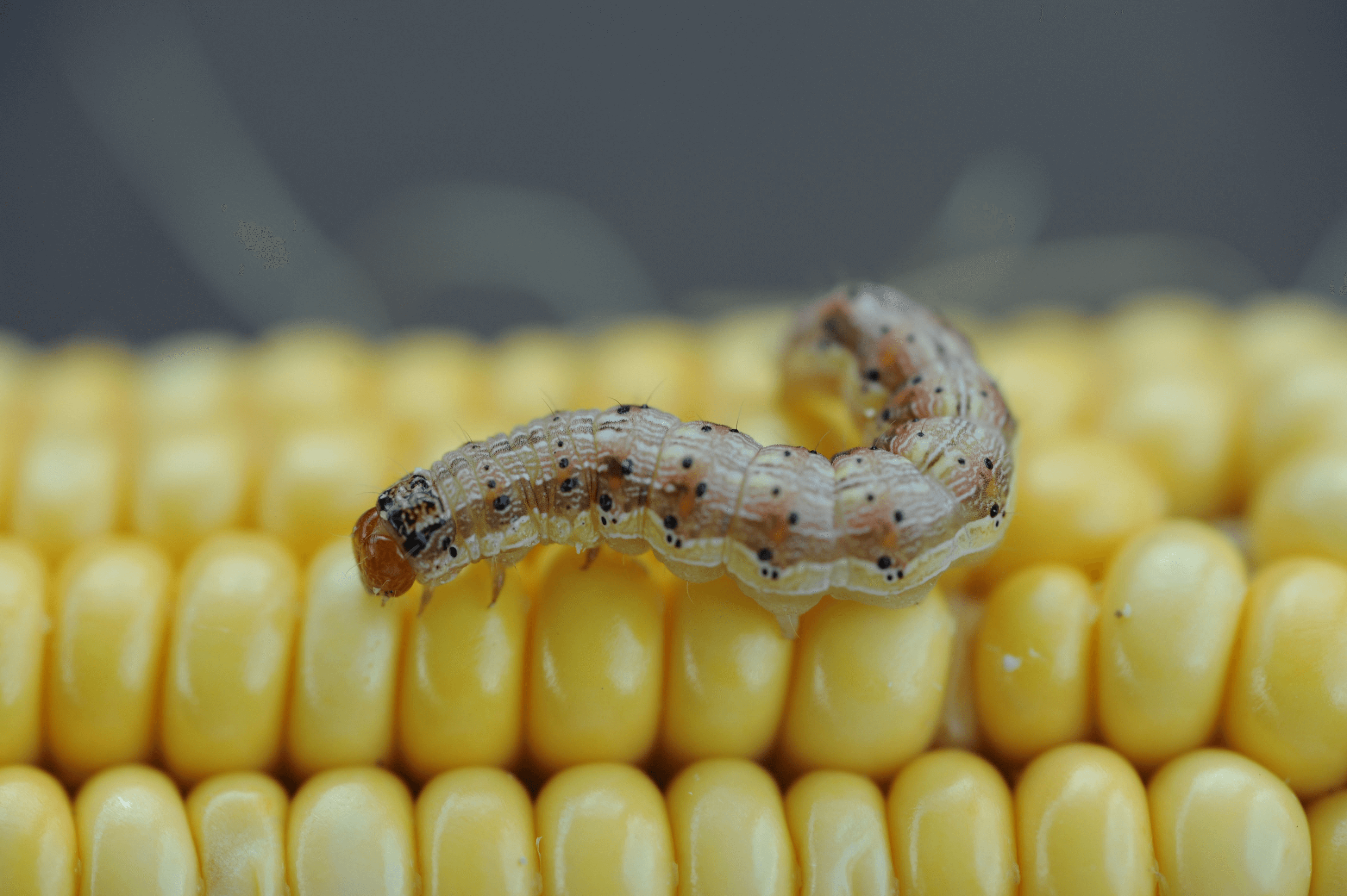
[T]he study documents the growing resistance of the earworm to protective “Bt” genetic modifications widely used in corn and cotton crops.

…

Corn crops engineered with genes from the bacterium Bacillus thuringiensis (Bt) express specific proteins called Cry proteins (endotoxins) that, when ingested, kill crop pests like the earworm. Because the Bt protein is very selective…[and] less harmful than broad spectrum insecticides. Bt modified crops are widely used and long have been effective in combating damage from agricultural insect pests. In 2015, 81 percent of all corn planted was genetically engineered with Bt. Recently however, certain states, most notably North Carolina and Georgia, have experienced increased corn ear damage, setting the stage for risk of damage to corn production across a large portion of the country.

…

This new paper is the first report of corn earworm resistance to multiple, or pyramided Cry proteins in genetically modified corn. The report also illuminates a need for more widespread resistance monitoring for all registered Cry proteins, including the Midwestern corn belt.

…

The GLP aggregated and excerpted this blog/article to reflect the diversity of news, opinion, and analysis. Read full, original post: Research uncovers reason for growing pest damage in genetically protected corn crops


 

Related Articles

Infographic: Global regulatory and health research agencies on whether glyphosate causes cancer

Infographic: Global regulatory and health research agencies on whether glyphosate causes cancer

Does glyphosate—the world's most heavily-used herbicide—pose serious harm to humans? Is it carcinogenic? Those issues are of both legal and ...

Most Popular

Glossy Plastic Bag of Tokens and Labels
Viewpoint: How CNN got played by environmental activists pushing a plastics scare and litigation agenda
Screenshot-2026-10-30-at-11.36.40-AM
An Earth-saving benefit of global warming?: How fossil fuel-burning humans stopped the looming Ice Age
Screenshot-2026-10-21-at-11.30.51-AM
Viewpoint: Yes, our food system stinks, but the attack of ultra-processed foods is often misplaced
Neon Syringe Portrait with BPC-157
Viewpoint: Peptides and medical freedom: The MAHA obsession that can damage your health
ChatGPT-Image-Mar-10-2026-01_39_01-PM
Viewpoint—“Miracle molecule” debunked: Why acemannan supplements don’t work
Robots in a Futuristic Conference Meeting
Helpful until we’re helpless? Researchers warn AI is gradually eroding human control
Screenshot 2026-07-29 at 10.40
The COVID vaccine turbo cancer scare is back. Science still proves it’s wrong.
Patriotic Flag in a Glass Flask
Viewpoint: America Last: From the Pentagon to universities, Trump’s corruption of science could inflict lasting, irreversible damage on U.S. research
Screenshot-2026-10-30-at-11.20.30-AM
‘Silent killer’: Hepatitis B could surge under Trump–RFK Jr. rollback of newborn vaccine recommendations
Screenshot 2026-10-27 at 10.32
“Do your own research”: What Medicare’s annual open enrollment circus teaches us about the seductive trap of DIY health and science
Screenshot-2026-10-29-at-10.31.49-AM
Solar engineering to cool the planet might well work. Could it touch off a geoengineering arms race?
glp menu logo outlined

Get news on human & agricultural genetics and biotechnology delivered to your inbox.