‘Save the Bees?’ General Mills campaign perpetuates myths about GMOs, pesticides

Screen Shot at AM

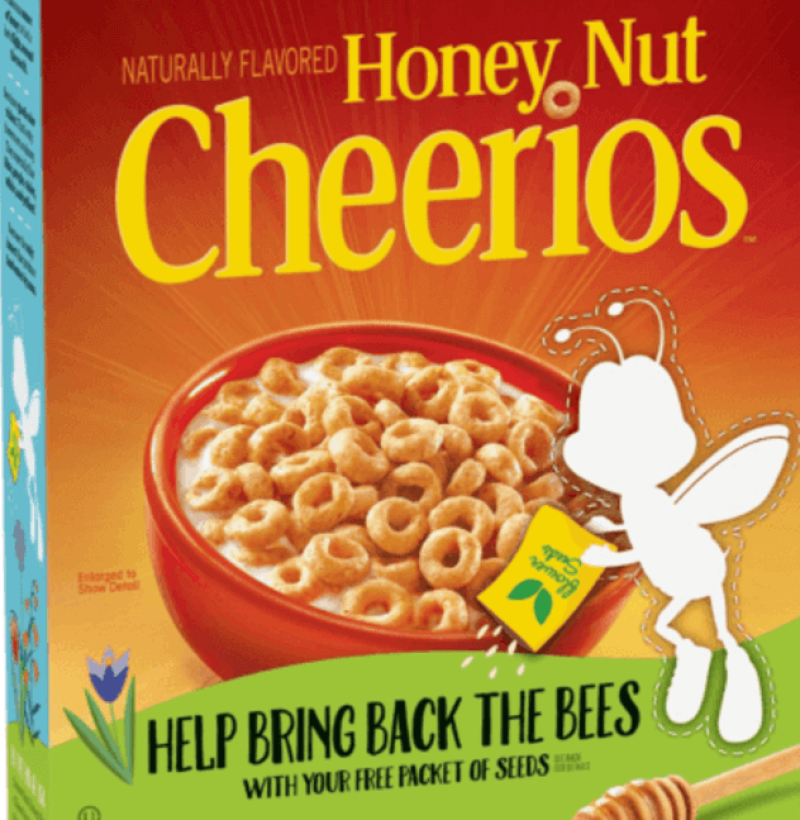
Watch out โ€“ Buzz, the iconic mascot for General Millsโ€™ Honey Nut Cheerios, is going to be missing in action for a few weeks!

General Mills has launched a โ€œSave the Beesโ€ campaign in an attempt to bring awareness to the loss of the all-important pollinators. Buzz is taking a hike from all cereal boxes for 6 weeks, and the company is handing out free wildflower packets for consumers to plant as bee food.

[T]he biggest concern I have with General Millsโ€™ campaign is the organizations theyโ€™ve decided to team up with to save the bees.

[C]licking the link provided to Greenpeaceโ€™s website brings up an article by the organization that blames the alleged rise in bee deaths on a specific class of pesticides, called neonics, and (of course!) genetically modified crops. The drive against neonics has been largely based on rhetoric and not any actual science. In fact, while some places around the world have banned the pesticides, they have not seen any difference in pollinator health.

Of course, there is absolutely no proof that the use of genetically modified plants has done anything to harm or impact bee populations.

The GLP aggregated and excerpted this blog/article to reflect the diversity of news, opinion, and analysis. Read full, original post:ย General Mills Wants to Save the Bees, But Look Closer

For more background on the Genetic Literacy Project, read GLP on Wikipedia

{{ reviewsTotal }}{{ options.labels.singularReviewCountLabel }}
{{ reviewsTotal }}{{ options.labels.pluralReviewCountLabel }}
{{ options.labels.newReviewButton }}
{{ userData.canReview.message }}

Related Articles

Infographic: Global regulatory and health research agencies on whether glyphosate causes cancer

Infographic: Global regulatory and health research agencies on whether glyphosate causes cancer

Does glyphosateโ€”the world's most heavily-used herbicideโ€”pose serious harm to humans? Is it carcinogenic? Those issues are of both legal and ...

Most Popular

ChatGPT Image May 26, 2026, 08_42_17 AM (1)
Viewpoint: Greenpeace and poison: How environmental advocacy groups rely on compliant (and often ignorant) journalists to spread disinformation and spark litigation
Screenshot 2025-07-30 at 10.48
Can gene editing eliminate Down syndrome? Scientists have done it in lab-grown cells
Screenshot-2026-05-28-at-1.36.28-PM
Viewpoint: Can mRNA research survive the Trump administration?
Screenshot-2026-06-02-at-11.59.11-AM
Magnifica Humanitas: Popeโ€™s encyclical broadside against AI naivete and overreach
ChatGPT-Image-May-26-2026-07_51_21-AM-2
Viewpoint: There are more than 1,000 chemicals in a cup of coffeeโ€”including many substances that can cause cancer. Why isnโ€™t it banned?
Screenshot 2025-11-18 at 3.45
Viewpointโ€”GMOs and sustainability: Why buying organic foods is the least environmentally-sensitive food choiceโ€”without offering any health benefits
Screenshot-2026-06-01-at-1.35.32-PM
Viewpoint: Swine farmers are under attack for allegedly mistreating their animals. Here are the facts.
Screenshot-2026-05-27-at-10.51.25-AM
Viewpoint: โ€˜Monsantoโ€™ bluesโ€”Planned Netflix movie promises yet another round of anti-glyphosate disinformation
Picture1
Sounds we canโ€™t hear โ€” the hidden planetary signals behind science, fear, and misinformation
ChatGPT-Image-Jun-2-2026-11_39_58-AM
Viewpoint: Who is RFK, Jr.โ€™s newly-appointed CDC senior counselor, Sara Brenner โ€” Vaccine skeptic and self-proclaimed โ€œMAHA momโ€
ChatGPT Image May 28, 2026, 08_16_38 PM
Viewpoint: Why the EPA mismeasures cancer risk of chemicals and what should be done to fix it
glp menu logo outlined

Get news on human & agricultural genetics and biotechnology delivered to your inbox.