CRISPR gene editing calls into question results of older genetics studies

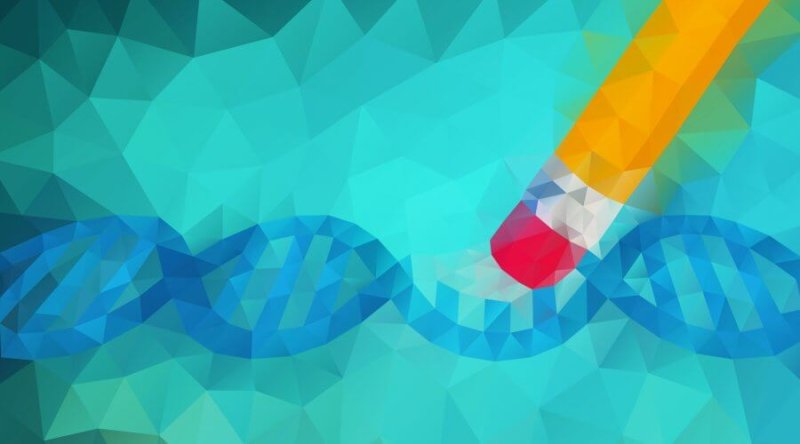
genomeediting pencil
[Jason Sheltzer, a cancer biologist at Cold Spring Harbor Laboratory in New York] and his team joined an expanding club of laboratories that have been forced to re-evaluate and repeat experiments, as the spread of CRISPR–Cas9 uncovers potential errors in data collected using older techniques.

Nathan Lawson, a molecular biologist at the University of Massachusetts Medical School in Worcester, was one of the first to systematically characterize the problem. In 2015, he and his colleagues reported their efforts to compare results from two methods in zebrafish: knocking out genes using a gene-editing technique called zinc finger nucleases, and reducing gene expression using molecular tools called morpholinos. They found that half of the 20 genes they tested yielded different results…

Conflicting results from RNAi and genetic screens do not always mean that one approach was right and the other was wrong, cautions [Michael Bassik, a molecular biologist at Stanford University in California]. Some cells might respond differently to a genetic change that wipes out expression of a gene, as is often the goal with CRISPR–Cas9, compared to how they respond to reducing the expression to very low levels with RNAi.

But often, he adds, the culprit behind the discrepancy can be tracked back to RNAi’s potential for off-target effects. And concerns about that have had researchers flocking to reproduce old results.

The GLP aggregated and excerpted this blog/article to reflect the diversity of news, opinion, and analysis. Read full, original post: CRISPR studies muddy results of older gene research

For more background on the Genetic Literacy Project, read GLP on Wikipedia

Related Articles

Infographic: Global regulatory and health research agencies on whether glyphosate causes cancer

Infographic: Global regulatory and health research agencies on whether glyphosate causes cancer

Does glyphosate—the world's most heavily-used herbicide—pose serious harm to humans? Is it carcinogenic? Those issues are of both legal and ...

Most Popular

Picture1
Hiroshima at 81: America’s new nuclear bomb, a buried Iranian target, and a question no one wants to ask
ChatGPT-Image-Mar-10-2026-01_39_01-PM
Viewpoint—“Miracle molecule” debunked: Why acemannan supplements don’t work
png livestock cow cattle a
Consumer skepticism about gene-edited milk is neither fixed nor particularly high—and falls even more if it’s priced lower
ChatGPT-Image-Jul-31-2026-07_35_35-AM
Wikipedia has assembled an informative list of fake news websites from across the ideological spectrum
Screenshot-2026-07-31-at-10.52.03-AM
Love sweets and fatty foods? You can blame your genes, but there are ways to quell the obsessions
Screenshot-2026-08-03-at-2.25.49-PM
As measles vaccination rates collapse, scientists push for treatments long considered unnecessary
ChatGPT Image Jul 29, 2026, 09_08_15 AM 2
The retreat of environmental extremism: Why activist NGOs are losing favor
Screenshot-2026-08-03-at-2.15.16-PM
Viewpoint: Trump’s relaxed controls on supplying China with microchips could undermine U.S. AI dominance
Screenshot-2026-07-17-at-1.34.59-PM
Poll: Vaccine hesitancy soars when patients distrust health providers and turn to social media
ChatGPT-Image-Aug-4-2026-10_15_14-AM
Viewpoint—A hard look at the Fauci diaries: Do they change what we know about COVID’s origins?
ChatGPT Image Jul 29, 2026, 10_17_59 AM
Viewpoint: What does it mean when critics of conventional agriculture say many fruits and vegetables are “linked” to pesticide poisoning?
Screenshot-2026-08-03-at-2.06.39-PM
Viewpoint: Green energy supporters ‘fight back’ against conservative foundations backing  fossil fuel industry
ChatGPT Image Jul 31, 2026, 08_05_37 AM
With trust in RFK, Jr.'s CDC vaccine advice collapsing, physicians scramble to fill the information gap
glp menu logo outlined

Get news on human & agricultural genetics and biotechnology delivered to your inbox.