


Ancestry & Evolution

Viewpoint: Gender equity debate demands understanding of biological differences
[Editor's notes: Marta Iglesias is a predoctoral researcher in the Champalimaud Neuroscience Programme, Lisbon. Her research is focused on how ...

If you aren’t a morning person, evolution may be to blame
[A] study published in the journal Proceedings of the Royal Society B: Biological Sciences in July suggests our bodies and ...

Argument for rolling our clocks back: Your brain needs the morning boost
Shifting the clock back one hour means more people won't have to wake up before sunrise. When you wake to ...

Controversy walks hand-in-hand with the artificial womb, but is it warranted?
Research into the development of an artificial womb has sparked a wide range of conjecture from bioethicists who worry about ...
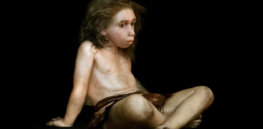
Ancient incompatibility: Why human females and Neanderthal males had difficulty conceiving
After years of sequencing the genomes of female Neandertals, researchers have finally got their first good look at the Y ...

Genetic predisposition to high triglycerides can be mitigated with healthy BMI, diet
Triglycerides, a type of fat in the blood, are important for good health. But having high triglycerides might increase a ...

Life-forming water droplets could have jump-started early evolution
Reactions in tiny droplets of water may have given rise to some of the molecules essential for the origin of ...

Gay conversion? Grotesque brain implants used to try to ‘cure’ homosexuality
[Editor's note: John Horgan directs the Center for Science Writings at the Stevens Institute of Technology.] Homosexuality has been treated with lobotomies, ...

Neanderthal-human mating reintroduced lost African genes, for better and worse
When Neandertals mated with modern humans, they shared more than an intimate moment and their own DNA. They also gave ...

Biodiversity crisis? Humans may actually be creating more species than we’re killing
Chris Thomas … a professor of conservation biology at the University of York in the UK … does not deny that ...

Is the universe really 13.8 billion years old?
[Editor's note: Ethan Siegel is an astrophysicist and author.] You've no doubt heard that the Universe itself has been around for ...
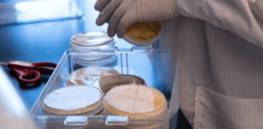
Deteriorating bio-libraries house thousands of disappearing cultures and deadly diseases
Freeze-dried and locked away in liquid nitrogen–filled vaults around the world are hundreds of thousands of microbial cultures. In the ...
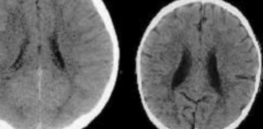
Tale of two brains: One from normal child, another from abused child show impact of neglect
The primary cause of the extraordinary difference between the brains of these two three-year-old children [pictured below] is the way ...

Genetics brought to bear in fight against modern cholera outbreaks
Although cholera is a disease that is thought of as mostly extinct, it still persists today in underdeveloped areas. The ...

Genetics of attraction: Unique women’s body smells attract men
The team, based at the University of Bern, wanted to know if a protein called human leukocyte antigen, or HLA, ...
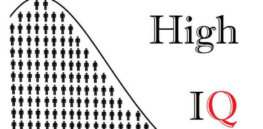
High IQ and health: Are more Intelligent people more prone to illnesses?
A new paper claims that very intelligent people are more prone to mental illnesses and allergies. Mensans reported levels of illness higher ...
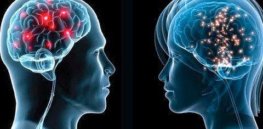
Time to stop treating men and women the same when it comes to drug treatments
Studies have shown that males and females metabolize drugs differently, suggesting we should be spending more time studying those differences ...

If you lose any of these 7 organs, you’ll probably be OK
The human body has dozens of organs, with some clearly more critical than others. But there are several you can ...

First alien life forms we encounter could well be robots
[T]he first aliens we encounter are likely to be machines, and they’ll be almost unimaginably old. Susan Schneider of the ...
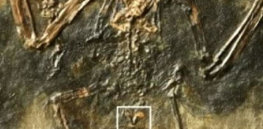
Preserved fatty tissues found in 48-million-year-old bird fossil
[R]esearchers have confirmed that fatty tissues were still identifiable in the partial fossil of a 48-million-year-old bird. The new research hints ...

Viewpoint: How genetics challenges the ‘folk notion’ of distinct races
Speaking from the BBC studio in London where he hosts the weekly radio program Inside Science, [geneticist Adam] Rutherford explains how ...

One-fourth of cow genome descendant from snakes and lizards, study shows
There are genes known as retrotransposons that can copy themselves and paste the duplicates in other parts of our DNA, ...

Why the quest for artificial intelligence almost died in infancy
It feels as if we’re riding the wave of a novel technological era, but the current rise in neural networks ...

What’s so important about sleep?
It’s common to try to cram more waking hours into each day. About half of people worldwide get less than ...
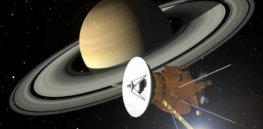
Searching for ET in our Solar System requires methodical approach
The quest to find life in our Solar System is focused on locating planets or moons with the right chemical ...
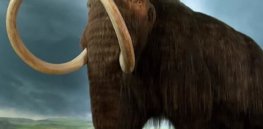
De-extinction debate: Why we should bring back the woolly mammoth
De-extinction is just what it sounds like: taking a species that has gone extinct, and through cloning or genetic engineering, ...
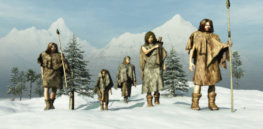
Why hunter-gatherer civilizations did not destroy themselves through inbreeding
Much like hunter-gatherers today, ancient Eurasians married outside their home groups and formed webs of friends and in-laws vital for ...
