


Chemical Controversies
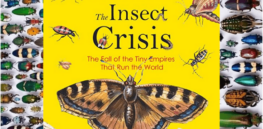
‘The Insect Crisis’ book review: From climate change to habitat loss to chemicals, what’s behind the die off of insect populations?
When was the last time you had to clean bug splatter from your windshield? This ritual was once an inevitable ...

GLP Podcast: mRNA flu shot coming soon? Dogs really can’t eat chocolate; Marijuana-like ‘runner’s high’
mRNA technology gave us COVID-19 vaccines. Could it also yield more effective flu vaccines? Yes—maybe as soon as next year ...

Viewpoint: Politicians are making a mess of regulating agricultural pesticides
In January, the New Jersey legislature enacted restrictions on most uses of neonicotinoids. The bill effectively bans about 70 percent of neonic ...

Viewpoint: UN sub-agency IARC bungled cancer designation of glyphosate and undermined science of assessing carcinogens
Testing for chemical carcinogenicity using animals is timely, costly, and for some, morally wrong. Non-traditional data consists primarily of quick, ...
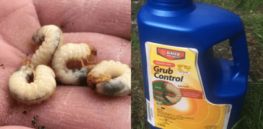
EPA poised to extend use of four neonicotinoid pesticides, rebuffing environmentalist claims they endanger bees
The US Environmental Protection Agency is poised to allow the use of four of the most devastating chemicals to bees, ...

Viewpoint: Human activity and modern agriculture are threatening pollinators
The arrival of the Anthropocene has brought with it considerable challenges for wild bees. In particular, the spread of industrial ...

‘Organic label doesn’t always mean safer,’ study finds: Spinosad insecticide more damaging to beneficial insects than synthetic imidacloprid neonicotinoid banned in Europe
Very low concentrations of the popular organic insecticide spinosad have profound effects on beneficial insect species, including vision loss and ...

Viewpoint: Are we overusing agricultural chemicals? Not if we we want increased yields, lower prices and more sustainable practices
We would be remiss to ignore the positive effects that modern crop protection has had for us. Without pesticides, crop losses ...
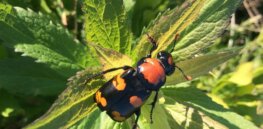
Viewpoint: EPA wants to ban Enlist herbicides in certain areas to protect beetles. Here’s why one farmer believes that’s misguided
Soybean farmers like myself rely on special seeds and herbicides to help us grow crops more efficiently and make environmentally ...

RNA vaccines for plants?
The threat of COVID-19 spurred innovation at unprecedented rates. Moderna and Pfizer’s RNA vaccines were approved in about a year ...
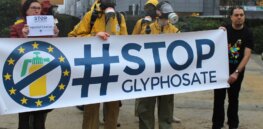
New Zealand scientist challenges ‘scaremongering’ about herbicide glyphosate
Glyphosate, the active ingredient in Roundup™, is the most widely used herbicide in the world. It affects a specific enzyme ...

Viewpoint: How anti-GMO activists use select studies to ‘prove’ glyphosate is ‘dangerous’ and unnecessarily scare the public
If you want to show that any chemical is dangerous, here's a three-step process that will consistently yield the desired ...

Viewpoint: Manufacturing misinformation — How the Environmental Working Group spreads false facts about pesticide dangers
Ventura County farmers farm food, the Environmental Working Group farms clicks. Unfortunately, the Ventura County Star has elevated misinformation about ...

Viewpoint: Who are the activists and politicians that led Sri Lanka to reject science and embrace disastrous all-organic farm model?
Vandana Shiva, proclaimed "Hero for the Green Century" in 2002 and winner of numerous awards (including the Right Livelyhood Award ...

Viewpoint: Claiming natural pesticides are ‘good’ and synthetic pesticides are ‘bad’ misses the science — it’s the dose that matters
Some folks rave about food grown organically, erroneously thinking no pesticides were used in its production, whereas food grown with ...

Weighing risks and benefits of pesticides on India’s farms
The global population currently stands at 7.9 billon and is expected to rise to 9.7 billion by 2050. To meet the food and nutrition ...

Viewpoint: Environmentalist delusions? Why ‘progressive’ opposition to nuclear energy and crop biotechnology are the biggest obstacles to addressing climate change
In the recent Netflix smash hit Don’t Look Up, scientists try to warn the world about a comet hurtling towards ...

Anti-GMO stances ‘insult smallholder farmers’ in Africa and Asia
Science advocates in Africa and Asia reject claims that genetically modified (GM) crops have been hijacked by big companies from ...

Anti-pesticide campaigners maintain that insecticide sulfoxaflor violates the Endangered Species Act. Here’s how Biden’s EPA responded
We may be our own worst critics, but America continues to lead the world in science, science literacy, and science ...

Viewpoint: Anti-chemical campaigners misleadingly invoke a looming ‘insect apocalypse’ to justify demands to junk targeted, synthetic pesticides
“Alternatives to sulfoxaflor exist, what are we waiting for?” titles a blog post on the website of the Belgian environmentalist NGO ...

Talking Biotech: Percy vs. Goliath—Hollywood aside, what really went down with Canadian farmer Percy Schmeiser’s court battle with Monsanto?
The story of Percy Schmeiser is a well known tale of big biotech against the little farmer from rural Saskatchewan ...

Rebuffing activist claims, USDA confirms American-grown fruits and vegetables are free of harmful trace pesticides
The results of the USDA's Pesticide Data Program (PDP) for 2020 are in, and they lend themselves to two important ...

Viewpoint: Anti-GMO groups ‘using the COVID lab-leak theory to spur opposition to a wide swath of important, even life-saving, biotechnologies’
Hoping to keep their cause alive in the wake of the pandemic, the anti-GMO movement has glommed on to a ...
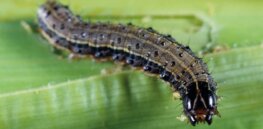
GM versions of fall armyworm can effectively control the insect pest, study confirms
Genetically modified insects offer a sustainable solution for controlling fall armyworm, a devastating agricultural pest that has already developed resistance ...
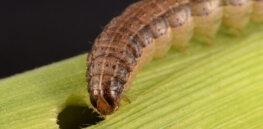
Viewpoint: ‘Herbicides reduce the cost of food production by half and triple yields’: Mass bans on synthetic chemicals would open the doors to 32 invasive species that threaten African crops
A recent survey by the Kenya Plant Health Inspectorate Service (KEPHIS) shows the 32 key Invasive species in Kenya include 11 arthropods, ...

Viewpoint: Essential to feeding the world, synthetic fertilizers have negative environmental impacts. Here’s how genetic engineering can change that
Much of the world is preoccupied with the ongoing coronavirus pandemic, but there are other global challenges, including climate change, ...
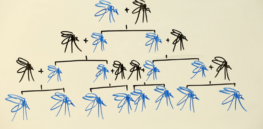
240 million people suffer annually from malaria. Could deploying CRISPR to gene edit mosquitoes’ pesticide resistance contain the scourge?
Insecticides kill off most of the mosquitoes in an area. But a small number may survive because something about their ...
