


Agriculture & Food

Does a burger from a hormone-treated cow pose a health problem? Maybe, if you eat the bun
[This article was written by Michelle Miller, aka Farm Babe, who raises lambs and beef cattle, and grows almost 2,000 ...

UN Biodiversity Conference: Anti-technology NGOs aim to block gene drive, CRISPR, synthetic biology
The UN Biodiversity Conference is taking place in Cancun through December 17. Activist groups and ... international NGOs can have a ...
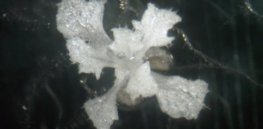
New, more efficient method for using CRISPR to genetically edit flowering plants
A pair of plant biologists at the Institute of Transformative Bio-Molecules (ITbM) of Nagoya University, has reported in the journal Plant ...
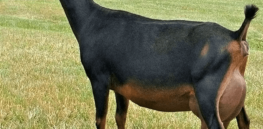
Genetically-altered goats produce less allergenic milk
β-Lactoglobulin (BLG) is a dominant allergen present in the milk of goats and other ungulates, although it is not found ...

New Zealand won’t permit field trials of sustainable GMO ryegrass
AgResearch scientists have developed a genetically modified (GM) ryegrass that has a 40 per cent increase in production and a 30 ...
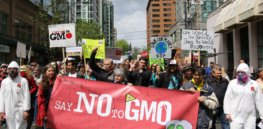
‘Precautionary’ delays in deploying GMO technology could cost $1 trillion
This article introduces a simple framework to assess the economics of delaying the introduction of GM technologies due to concerns ...
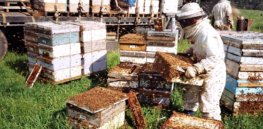
Honeybees are not in crisis, but what about beekeepers?
While it's now acknowledged that honeybee populations aren’t declining, some of the focus of concern has shifted from the pollinators ...
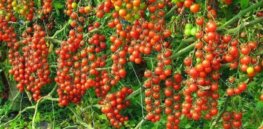
Gene editing could boost tomato yields by speeding fruit ripening
Using a simple and powerful genetic method to tweak genes native to two popular varieties of tomato plants, a team ...
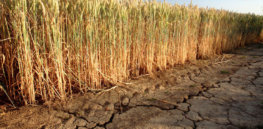
Monsanto, climate experts collaborating to reduce farming’s carbon footprint
Various groups have joined with Monsanto Co. to form the Carbon-Neutral Collaborative, which was highlighted in a news release as ...
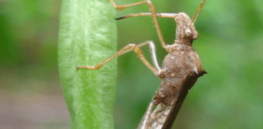
Bug gene therapy: Helpful insects could carry genes to protect diseased crops
...[S]cientists at the Defense Advanced Research Projects Agency (DARPA) want to capitalize on insects’ natural relationships with plants. They believe ...

Doubling nitrogen fixation in soybeans could boost yields, reduce fertilizer need
A Washington State University plant scientist may have discovered how to double nitrogen fixation in soybeans. Her greenhouse-grown soybean plants ...

UK Soil Association challenges New Scientist claim that organic farming is not sustainable
[Editor's note: This article is a response to Michael Le Page's recent article in New Scientist on why organic farming is ...

Hollywood Reporter: Food Evolution documentary challenging GMO scares gets rave review
Neil deGrasse Tyson helps director Scott Hamilton Kennedy challenge enviro-activist orthodoxy in a new food doc. ...Food Evolution — which defends ...

Are GMO producers engaged in a ‘tobacco science’-like coverup?
One of the popular slogans of anti-GMO protesters has been that there is a “cover-up” going on by GMO seed ...

Indian crop scientists: 9 natural organic pesticides that can harm our health and ecosystem
Organic food is promoted as superior and safer for today’s health conscious people. It is claimed that they are pesticide ...

Buy only “hormone free” meat? Farmer says don’t be fooled by deceptive labels
No poultry, pork or beef that you eat contains added hormones. Instead of capitalizing on fear and misleading consumers into ...
GMO alfalfa has higher yields than conventional, according to USDA survey
...[R]elatively little has been known about the adoption of genetically engineered alfalfa, canola and sugar beets, crops that add substantial ...
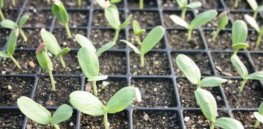
Talking Biotech: Kentucky plant scientist Mark A. Williams on how organic, conventional farming can work together to promote sustainability
GreenGenes: Kentucky’s Mark A. Williams on organic and conventional farming working together to promote sustainability ...

Gene conveying resistance to costly crop damaging fungus identified
A major breakthrough in the cloning of a resistance gene to eliminate wheat scab — a widespread disease responsible for ...

Want to save the planet from environmental disaster? Stop buying organic food.
[F]arming is the second largest source of greenhouse gas emissions worldwide, only slightly behind heating and electricity. ... The one ...
‘Diversity Breeding’: Recovering desirable traits from crops’ wild relatives
A genetic toolbox held at the fingertips of plant breeding scientists is set to completely revolutionise the way crops are ...
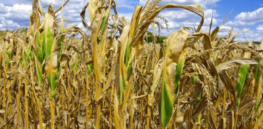
Are predictions climate change will reduce crop yields wrong?
Those of us who try to monitor the torrent of climate change studies frequently come across various projections that just ...
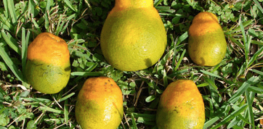
Non-GMO RNA silencing technique may be used to combat citrus greening disease
AUM LifeTech in collaboration with the United States Department of Agriculture has developed a novel Non-GMO RNA silencing approach for ...

Has the organic industry lost its sympathetic ear in Washington?
Donald Trump moving into the White House will mean a very different regulatory environment for Big Organic. . . ...
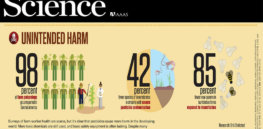
Infographic: Higher toxicity pesticides used in developing world pose environmental, health problems
Surveys of farm worker health are scarce, but it's clear that pesticides cause more harm in the developing world. More ...
Gene editing could create healthier, more sustainable livestock
Gene editing, led by the discovery of CRISPR-Cas, promises widespread, accelerated, and targeted discoveries. ... Gene editing could eventually provide a ...

Genetic engineering could help reduce carbon footprint of food production
[Editor's note: This excerpt was translated from the Norwegian by Google translate. It has been lightly edited for clarity.] ...[A]griculture ...
