


Agriculture & Food

Should University Agricultural Research Scientists Partner With Industry?
Studies show research on GE crops is not significantly influenced by conflicts of Interest. However, it is important to remain ...
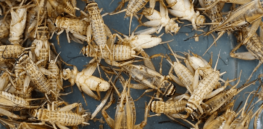
Pest to protein: Indian aquaculture farmers explore economic and sustainability benefits of insect-based feed
Insects are emerging as a viable source of sustainable alternative ingredients – primarily insect protein concentrate or insect meal and ...
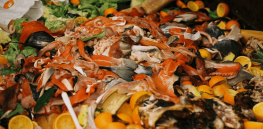
Climate change impact of food waste: ⅓ of our food is wasted contributing to half of agriculture’s carbon footprint
Around a third of human-generated greenhouse gas emissions comes from the global food system, and lost or wasted food is known ...

GLP podcast and video: PFAS bans could do more harm than good; Risks and benefits of ‘magic mushrooms’; ‘Ultra-processed’ foods are nutritious
There are growing calls to ban PFAS chemicals to protect public health. The problem is, these substances are used in ...
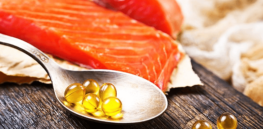
Making waves in aquaculture: Norway approves plant-based omega-3 oil that replaces fish with biotech canola
The Norwegian Food Safety Authority (NFSA) granted approval for Aquaterra® Omega-3 oil for use in fish feed applications according to ...
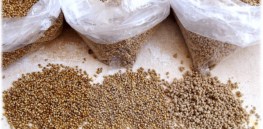
Growing more ancient grain millet could help American farmers adapt to climate change
The Midwest is known for its rows and rows of corn and soybeans that uniformly cover the landscape ...

Understanding links between energy and agriculture
My parents were Calabrian. During the first half of the 20th century, my father was an orange picker and a ...
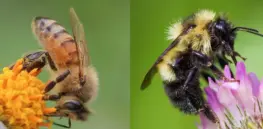
Protecting honeybees and wild bees from neonicotinoid pesticides? As environmentalists and politicians lobby for bans, science takes a backseat
There has been a recent surge in the number and intensity of campaigns by environmental groups lobbying to ban many ...
Viewpoint: Sustainable, natural, chemical, toxic — Words used by activists to label agriculture can distort science and turn the public against sensible farming
Reality is perceived by the definitions we give; the black and white lines we draw upon a grey canvas. So, ...

What makes ‘ultra-processed food’ so unhealthy?
A recent analysis by the Access to Nutrition Initiative finds about 70% of food products sold in the U.S. are unhealthy — ...

Genetic mutation that makes apple trees grow like weeping willows could make laborers’ lives easier
Plant geneticists have identified a mutation in a gene that causes the “weeping” architecture – branches growing downwards – in ...
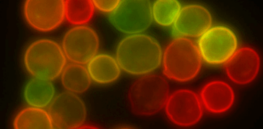
From beer hops to tropical cocktails, we are beginning to see a spectacular explosion of flavors and smells, thanks to genetic modification
Someday the flavors and smells added to most foods and drinks could be created in yeast-brewing tanks rather than extracted from plants ...

Chocopocalypse? Social justice, sustainability and economic threats pose increasing challenges to the cocoa industry
“Chocolate” represents a diverse category of products with distinctive and delicious flavors, often with pleasant “mouth feel,” and a range ...
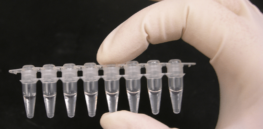
$6.2 billion: That’s how much will soon be spent each year to test seeds and food for signs of genetic modification
According to a new report published by Allied Market Research, titled, “GMO Testing Market," The GMO Testing Market Size was ...

In surprise finding, transition to organic farming leads to decline in bats – at least temporarily
Organic food without pesticides, hormones, fertilizers, herbicides, antibiotics, artificial chemicals, and genetically modified organisms is regarded by many as being better ...

Viewpoint: OMG, humans might suffer convulsions from consuming parts-per-trillion of glyphosate? Here’s how wild headlines advance the ideological agenda of science-rejecting advocacy groups
Scrolling through the news has become a game of “What Great Horror Did Glyphosate Wreak This Week?” And the latest ...

Hunger and malnutrition are soaring in Africa. There is a helpful solution: GM crops
Hunger and undernourishment are two elements of food insecurity that have plagued Africa for years. And the menace is growing ...
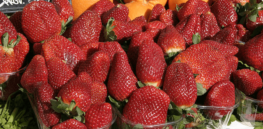
Strawberries are often perfectly shaped, humongous and uniform — but the flavor leaves much to be desired. Genetic engineering could change that
Native strawberries have been grown in the British Isles for centuries. But the ones we eat today are the product ...

GLP podcast and video: Eating meat = cannibalism? Glyphosate safety reaffirmed (again); The science-free campaign against aspartame
Is meat-eating analogous to human sacrifice? One Washington Post contributor says yes, but how strong is her case? Another expert ...
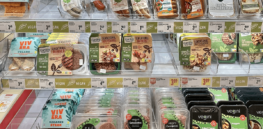
Which diet is highest in ‘ultra-processed’ foods? Vegan tops list, sparking more nuanced conversation about UPFs
Veganism has the potential to promote healthy eating as people ditch meat - but the rise of ultra-processed foods (UPFs) ...

6 fake news websites stoking fear about crops grown from genetically-engineered seeds
"Fake news" may be new to most people, but not to followers of the anti-GMO debate. Here are some of ...

With climate disruptions increasing and bans on most genetically-engineered crops, African crop yields remain among lowest in the world
Africa has a huge population with by far the least sophisticated food production and processing systems. Any improvements would have the ...

Tracing the chickpea: How trade and migration shaped this popular legume’s genetics
With its nutty flavor and dense nutrient profile, the humble chickpea has captivated palates and nourished civilizations for millennia ...

Viewpoint: Food upcycling — Maybe the key to food sustainability isn’t growing more crops, but cutting back food waste
[The Salt and Straw] ice cream chain is among those at the forefront of the upcycling movement, the process of ...

Russia banned GMOs years ago to distinguish itself from the United States. What’s its current stance toward genetic engineering, CRISPR and other New Breeding Techniques?
Russia's decision to ban importation and cultivation of GMOs made sense from a political perspective. But it's a decision the ...
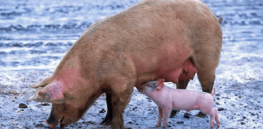
Why small African pig farmers are losing out on big data revolution globally transforming agriculture
The Cloudfarms pig-production-management software program provides real-time reporting through big data captured via workers’ smartphones as they move through the pig ...
GLP podcast and video: Aspartame doesn’t cause cancer; Alcohol is good…and bad for you? An expert checklist for spotting health scares
Does the sweetener aspartame, found in all sorts of foods and drinks, cause cancer? Controversy over the chemical's safety has ...
