


Daily Food & Ag Digest

4 million tons of rice is destroyed each year to flooding in Southeast Asia. This genetically-engineered rice variety could limit losses
Global rice production will likely be hit by the devastating effects of climate change as early as 2030, according to ...

Yearning for self-reliance and wary of imports, China edges closer to bucking wary public and embracing GMOs
Although GMOs have gained widespread acceptance elsewhere in recent years, Chinese consumers remain deeply opposed to them, and the government ...

The world’s most popular banana variety is under threat of extinction — and genetic engineering solutions are blocked. Here are alternatives.
Since the 1990s a new strain of the fungus TR1 (or panama disease), which wiped out the Gros Michel banana ...

No bones, no scales, no waste: Is that enough to convince consumers to eat cultured, cell-based seafood?
Cell-based seafood—derived from commonly consumed fish (for example, salmon and tuna) or shellfish (for example, crustaceans such as shrimp and ...
Viewpoint: ‘Plant breeding innovations help ramp up food production while making farms more climate resilient, profitable, and environmentally friendly’
One in four people globally, and rising, are unable to afford a healthy diet. COVID-19 has exacerbated this trend by disrupting food ...

Red-fleshed apples: The story behind the genetic anomaly with health and nutritional benefits
To an unsuspecting consumer, these delicate apples could easily be mistaken for the commonplace Gala or Braeburn varieties. But inside, ...

Viewpoint: How can we ensure disease-resistant CRISPR livestock are treated ethically?
Powerful gene-editing techniques have the potential to improve modern farming by making animals resistant to heat and disease, reducing methane emissions and ...
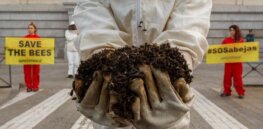
Viewpoint: Challenging the damaging myth that agrochemicals are the biggest threat to bees
Regardless of the plant breeding method, products used to improve modern farming that could potentially harm bees could be used ...

A daily cup of coffee could be an easy and effective way to ward off Alzheimer’s disease
Coffee lovers know a steaming cup of java can quickly deliver energy and mental clarity every morning, but new research ...

Can cell-cultured breast milk provide parents with another option?
Science has made impressive gains in the art of producing animal products minus the animal. Now this emerging field of ...

The ‘Holy Breath’ eating plan is one of dozens of fad diets. Here’s why none of them really work
Extreme low-cal, Atkins, dukan, south beach, fasting, the hacker’s diet, paleo, keto… the list goes on and on. My personal ...
Viewpoint: ‘As climate changes, we urgently need to engineer plants to withstand harsher climates’
Genome editing using CRISPR technology may be a key approach to improving agricultural production. It is already being used to ...

GMO crops have reduced pesticide poisoning among farmers, report finds
Many countries have enjoyed improved economies and healthier populations by farming genetically modified (GM) crops, according to a report from ...

Animal-free real dairy products are beginning to roll out
General Mills moves into the emerging ‘animal-free’ dairy category with a brand called Bold Cultr – a lactose-free cream cheese ...

Synthetic biology in Africa: ‘Golden opportunity’ once regulations are in place
Synthetic biology can solve some of Africa’s pressing challenges related to poverty, food insecurity and climate change, scientists say, but ...
Viewpoint: By blocking CRISPR gene editing, Europe is rejecting a proven tool to address climate change and food insecurity
CRISPR technology is not the same as GMO technology; it does not introduce DNA from other species into plants. Yet ...

Could eating cheese and other dairy products cause disturbing dreams?
Eating cheese late at night, the rumour goes, will give you strange dreams. As far back as 1964, a researcher ...

UK mulls break from EU’s restrictive crop biotechnology rules to gain an edge in international trade
With a few helpful tweaks to its regulations on crop biotechnology, the European Union could easily spawn an avalanche of ...

Republican Senate candidate Dr. Oz has long history of promoting pseudoscience, including anti-GMO disinformation
Among Dr. Mehmet Oz's achievements are ten Emmy awards, a syndicated television show, an Ivy-League medical degree, and a rapport ...

Supreme Court set to consider addressing lower court ruling that found Bayer’s Roundup herbicide caused applicator’s cancer
Bayer AG’s effort to get the U.S. Supreme Court to review a key trial loss in the nationwide Roundup litigation ...

Lab-grown fats may be key ingredient in diets of the future
“Lab-grown fat.” It sounds like a nightmare for marketing teams, but for scientists, it’s a key ingredient for the future of food ...

Viewpoint: Here’s how to respond to anti-biotech activist groups that disguise themselves as food experts
Activist groups and groups disguised as “authorities” on agricultural issues often use manipulative persuasive fear appeals in ways that impacts ...

‘Life as we made it’ book review: Why ‘intervening in nature’ is not new and should not be feared
Life as We Made It by Beth Shapiro, an exploration of biotechnology, human evolution and our significant and often unwelcome impact ...
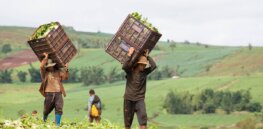
Viewpoint: Why Thailand should rethink its opposition to biotechnology
Thailand needs a "new mindset" to adopt controversial genetically modified organism (GMO) technology to increase agricultural productivity and serve the ...
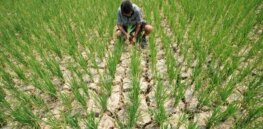
Viewpoint: ‘Time is of the essence’ — Climate-resilient crop varieties can take over a decade to come to market
Researchers are experimenting with engineering crops to better manage higher temperatures. “Continuously improving seeds to grow more resilient and high-yielding ...

Glyphosate does not kill bumble bees and is unlikely to cause health problems, latest comprehensive study finds
Glyphosate is the most commonly used herbicide in the world, and is widely used in agriculture. While glyphosate has been ...

GMO crops and glyphosate use can offer carbon sequestration benefits, Canadian study suggests
University of Saskatchewan research has concluded that genetically modified canola and the use of glyphosate have increased carbon sequestration in ...
