

A primary benefit has been a reduction in pesticide poisoning among farm workers, particularly smallholder farmers, due to the low pesticide use associated with GM crops, observes the Report on Genetic Technologies by the UK’s Regulatory Horizons Council.
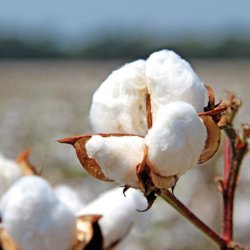
In India, for instance, the report cites a 50-to-70 percent reduction in pesticide applications on insect-resistant GM (Bt) cotton, which has led to significant health benefits.
“It has been estimated that this GM crop helps to avoid several million cases of pesticide poisoning per year,” the report states. “There have also been significant economic and health benefits for small farmers growing cotton in South Africa.”
Pesticide poisoning is a persistent challenge dogging agricultural production in many parts of Africa. Despite glaring evidence of potential harm to human beings and the environment, commercial and political interests often encumber mitigation efforts. Shocking reports of pesticide poisoning keep emerging from the continent.
As noted in one study on smallholder pesticide use in sub-Saharan Africa, pesticides are a common cause of acute poisoning in the region, with many cases going unreported. GM farming has been touted as a safe way of practicing agriculture because many GM crops serve to reduce pesticide use.
The adoption of Bt cotton, for instance, can substantially reduce the risk and incidence of pesticide poisonings, as shown by a pioneering study conducted in China. Using data from a survey of farmers in northern China, the report provided evidence of a direct link between the adoption of a GM crop and improvements in human health. Similar results have been documented for Bt maize.
The adoption of Bt cotton in Burkina Faso significantly lowered pesticide use in that crop. Farmers went from spraying their conventional cotton fields 15 times per season to control bollworm to spraying only twice with Bt cotton, which saw the crop’s popularity soar. By 2014, more than 70 percent of all cultivated cotton in Burkina Faso was GM. However, the government halted the crop in 2015, causing production to plummet and pesticide use to increase as farmers returned to growing conventional varieties.
The Regulatory Horizons Council report outlines two broad classifications of genetic technologies: First-generation genetic technologies, which are the basis of today’s widely used genetically modified (GM) crops; and the more recent second-generation technologies, which include genome editing, synthetic biology and engineering biology.




The report provides an edifying treatise on first-generation GM crops, showing their potential benefits for agriculture, the environment and society. It further scrutinizes the emerging opportunities, regulations and products associated with second-generation technologies.
GM crops were first introduced in the 1990s and have seen the fastest uptake by farmers over any other modern agricultural technology. Cultivation of GM crops expanded from 1.7 million hectares in 1996 to 179.7 in 2015 and now accounts for over 10 percent of the world’s arable land. Reported benefits include better economic outcomes for farmers, a reduction in pest-infestation in crops, increased insect biodiversity on farms resulting from adoption of insect-resistant crops, savings in the CO2 emissions that contribute to global warming, soil improvement and productivity gains resulting in potential land-saving outcomes.
The report also elucidates the emergent opportunities in agricultural biotechnology for post-Brexit UK, vouching for a rapid adoption of regulations that will be amenable to genetic technologies.
Despite the proven potential of agricultural biotechnologies to meet societal needs that include provision of healthier diets, climate change mitigation and contributing to the United Nations Sustainable Development Goals, scientists, companies and policy makers in the UK and the EU concede that the European regulatory system for genetic technologies inhibits useful innovation, thus disadvantaging farmers.
“Since the UK is no longer a member of the EU, the Government has an opportunity to take a leading role in demonstrating how current regulatory systems can be adapted, or new regulatory systems developed, to enable innovative, safe and beneficial products of genetic technologies to reach their intended markets, at home and abroad,” states the report.
The EU adopted a process-based approach in regulating first-generation GM products, which lumped the process of genetic modification itself alongside all its products, regardless of their properties, within a common regulatory regime. This approach contrasts with the United States’ product-based approach, which focused on the product, its benefits and risks. The EU regulatory framework, along with the very precautionary and politicized approach to its implementation, has resulted in the absence of any significant adoption of GM crops in the EU and the departure of European companies working on GM technologies to the US and other countries.
Dr. Joseph Maina is a Senior Lecturer in the Department of Earth and Environmental Sciences at Macquarie University. Joseph’s ultimate goals are to understand and predict the impacts of environmental variability and change on social and ecological systems at local and global scales to support spatial planning & management.
A version of this article was originally posted at the Cornell Alliance for Science and is reposted here with permission. The Cornell Alliance for Science can be found on Twitter @ScienceAlly