


Sustainability & Climate Change
Zimbabwe could save $60 million per year by adopting GMO maize
Zimbabwe could be losing up to $60 million worth of maize output a year due to failure to adopt new plant ...

Preponderance of field studies and latest research still concludes bees not disappearing
Bees are in the news, . . . mainly, dire tales of disappearing bees threatening a third of our food supply. ...
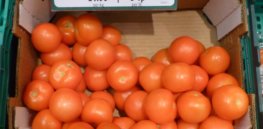
No rotten tomatoes—Can genetic engineering help create a tastier but still hardy fruit?
From Flavr Savr to today, a history of the genetically modified tomato ...

Ontario farmer: Milkweeds, monarch butterflies and GMOs–What should science-minded farmers do?
I see no scientifically credible reason to be less diligent in removing milkweeds and other unwanted plants from my crop ...
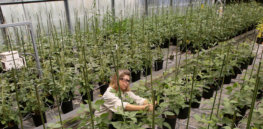
Monsanto to build high tech GMO greenhouse in Arizona
Multinational biotechnology giant Monsanto Co. is bringing a small chunk of its highly influential — and controversial — seed operation ...
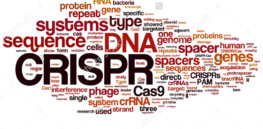
Does CRISPR gene editing = GMO? Biotechnology skeptics may split on how to regulate New Breeding Technologies
The movement opposed to products that have been called "GM" maybe splitting into two, with one faction considering to taking ...
Are GMOs an ‘environmental miracle’?
[Editor's note: This excerpt was translated from the French by Google Translate and lightly edited for clarity] Although all serious scientific studies conclude ...

Long-term study suggests small link between neonicotinoids, wild bee declines
Wild bees that forage from oilseed rape crops treated with. . . neonicotinoids are more likely to undergo long-term population ...
Why activists, but few farmers, complain they can’t save patented seeds
Farmers don't save seeds because buying patented hybrids makes sense. It's not because of evil Big Ag ...
Neonicotinoids pose little risk to bees in ‘real world settings’ study says
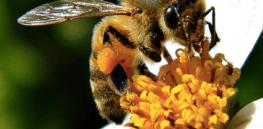
While neonicotinoid pesticides can harm honey bees, a new study by Washington State University researchers shows that the substances pose ...

Organic farming can never feed the world
Organic food has become the fastest-growing sector of the U.S. food industry. . . . Buying it makes us feel like we’re ...
Organic farming key to feeding the world
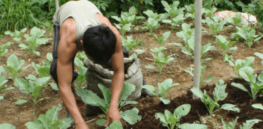
Organic agriculture occupies only 1% of global agricultural land, making it a relatively untapped resource for one of the greatest ...
Can organic farming feed 20 billion people? Yes, no, say opposing experts
"Organic farming can help to both feed the world and preserve wildland. . . .[R]esearchers modeled 500 food production scenarios to see ...

Why tomatoes taste bad, how biotech could revolutionize a ‘lost’ fruit—and why you may never eat one
Supermarket tomatoes have a sorry reputation for looking great but tasting like cardboard. Short of growing only heirloom tomatoes, the ...
Ontario’s honeybees flourishing but not because of neonicotinoid restrictions
This year in Ontario, [honey bee] losses were below 18 per cent during the moderate winter. . . . Bee health ...
Why has agricultural reform dropped off the Democratic agenda?
Why did the issue of agricultural reform slide off the national stage . . .? The ultimate answer . ...
Are bees in peril from neonicotinoids? Farmer evidence challenges doomsayers
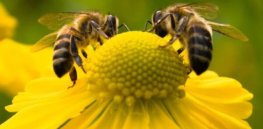
Will farmers be allowed to use safe effective neonic seed treatments or will hysterical and erroneous reports of bee deaths ...
Court clears way for lawsuit against EPA over exemptions for neonicotinoid seed treatments
A motion by the . . .EPA asking for the immediate dismissal of a case that alleges the EPA erroneously ...
EU’s new glyphosate restrictions enforced differently throughout Europe
Glyphosate use in parks and public spaces in the UK is likely to be little affected by a recent EU ...

Big Data romances Big Ag: The future of precision agriculture may be in drones
At first glance, Silicon Valley and the vast cornfields of the U.S. Midwest may appear to have little in common ...
Rogue GMO wheat in Washington State? Latest anti-GMO attempt to pump scare fizzles
Unnecessary anti-GMO panic highlights bankruptcy of current crop agricultural regulatory system ...
Which is riskier–Pesticides or chemical free, disease free CRISPR gene-edited crops?
Ultimately, whether we use CRISPR in agriculture comes down to a handful of questions: Which is better, controlling plant diseases ...
Would greenhouse gas emissions increase dramaticaly if GMOs banned?
What would the impact be of a global ban on GMO foods? That’s exactly the question Wally Tyner, a professor ...

Science communicators condemn Facebook’s censorship of pro-science “We Love GMOs and Vaccines”
Anti-GMO and anti-vaccine activists--many of them are the same--have manipulated Facebook to shut down a pro science site, stirring sharp ...

Global trade treaties on firing line: Cartagena Protocol, relic of earlier era promoting GMO fears
The Cartagena Protocol, started with the best intentions, may be out of date ...
Sugar co-op exploring return to conventional sugar beets as food manufacturers shun GMOs
. . . . [S]ome consumers remain wary of GMOs, including when it comes to sugar. Nearly two-thirds of domestic ...
GMO sustainability frontier: Helping crops acquire their own nitrogen
Tweaking a crop's genetics to help it fix its own nitrogen could avoid the need for massive amounts of fertilizer, ...
