


Health & Medicine
Gene therapy creates boy’s replacement skin from his stem cells
Doctors treated a 7-year-old boy’s devastating genetic skin disease—junctional epidermolysis bullosa—by genetically modifying his stem cells to create a new ...

Artificial intelligence fears could lead to over-regulation
[A]s we begin to realise [artificial intelligence] opportunities, the potential risks increase: that AI will proliferate, uncontrolled and unregulated, in ...

Food fears: How anti-science myths—like ‘clean eating’ and GMO health risks—make eaters anxious
We talk about food in the negative: What we shouldn’t eat, what we’ll regret later, what’s evil, dangerously tempting, unhealthy ...

‘Science Moms’ documentary counters anti-GMO, anti-vaccine misinformation
In an era of fear-based marketing targeted to parents, one group of moms hopes to launch a movement of science-minded ...
Warm thoughts? Treating depression with whole body hyperthermia
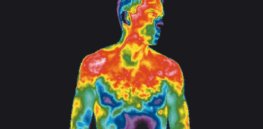
[Editor's note: David Haggerty is a neuroscience graduate student at the Indiana University School of Medicine.] A collaborative effort, led ...

EU farmers union: Glyphosate herbicide renewal dispute ‘undermines’ Europe’s scientific credibility
EU farmers’ union Copa-Cogeca has rejected the Commission’s revised proposal for a five year re-authorisation of glyphosate, claiming that such ...

How the ‘Dunning-Kruger’ effect explains public’s anti-GMO views
[A] new study from Carnegie Mellon University has provided key information on what factors influence public acceptance of GMOs and ...

Video: Dissecting claim that Canadian professor is a ‘Monsanto sock puppet’
The Canadian Broadcasting Corporation recently brought forth allegations that professor Peter Phillips of the University of Saskatchewan is a Monsanto ...
Bacteria-armed mosquitos approved for US release in fight against Zika, dengue and yellow fever
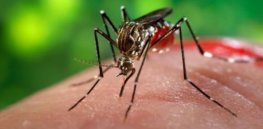
The US Environmental Protection Agency (EPA) has approved the use of a common bacterium to kill wild mosquitoes that transmit ...
Ancient viruses have become a permanent part of our genes
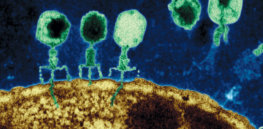
Transposons, also called transposable elements, are ancient viruses that have become a permanent part of our genes. Around half of ...
Neurologic disorders may be linked to brain’s immune system
New research suggests there could be a link between certain disorders, including Alzheimer's disease, and the brain's inability to clear ...

Combatants prepping for next skirmish in battle over CRISPR patents
The long-running battle over US patents for CRISPR–Cas9 gene editing continues. On 25 October, the Broad Institute of Cambridge, Massachusetts, filed ...

Viewpoint: ‘Gattaca’ reminds us that gene editing has dark possibilities
[Editor's note: Osagie Obasogie is a professor of bioethics at the University of California-Berkeley.] Set in the not-too-distant future, the ...

Mars missions: What would long-term space travel do to the brain?
In a NASA-funded study published on [November 1], Dr. Donna Roberts of the Medical University of South Carolina and her ...
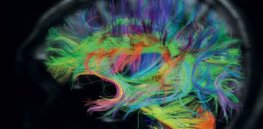
Brain studies weakened by lack of diversity in participants
[S]ocial sciences [tend] to focus on people from WEIRD societies—that is, Western, educated, industrialized, rich, and democratic. The results of such studies ...
USDA scraps overhaul of GMO and gene edited crop regulations that biotech advocates viewed as ‘unscientific’
The Trump administration withdrew a proposed USDA rule change made by the Obama administration that would have been the first ...

‘Young blood’ infusions may boost cognitive abilities of Alzheimer’s patients
The first controlled, but controversial and small, clinical trial of giving young blood to people with dementia has reported that ...

How do you define ‘species’? Turns out, it’s not so easy
At first glance, “species” is a basic vocabulary word school children can ace on a test by reciting something close ...

Natural insecticide created with spider venom and genetically modified yeast
Scientists have noticed the powerful punch some spider venoms pack, and have started looking to them for inspiration for all kinds ...

Viewpoint: Challenges to glyphosate, neonic safety shows science under attack from ‘viral misinformation’
The news of scientific prejudice [in the decision by IARC stating that glyphosate was a likely carcinogen, on top of ...

EU glyphosate herbicide ban would make weed control harder for French winegrowers
Bad weather this year has already prompted a steep drop in French wine output, contributing to a 50-year low in global ...

Closing gap between rich and poor farmers: CRISPR gene editing targets disease, pests and climate
Gene editing technology could revolutionize the way scientists breed high-yielding drought, disease and pest resistant, quality plant seeds, greatly reducing ...

100 billion neurons make up our brain—how does it all work?
[Editor's note: Sara Linker and Tracy Bedrosian are postdoctoral research fellows in the Laboratory of Genetics at the Salk Institute for ...

Two of a kind? Twins offer unique glimpse into human development
In the world of genetics, identical twins offer a valuable source for study. And they've shown that our genetic makeup ...

14 corn genes identified that could boost vitamin E levels
New research has identified genes that control vitamin E content in maize grain, a finding that could lead to improving ...

Unlocking the mystery of complex diseases
In our effort to find the answers to some of the most afflicting conditions and diseases known to science, biologists ...

What’s the excitement over gene therapy?
Gene therapy has been in the news a lot of late as a potential cure for a variety of genetic ...
