


Law, Regulations & Ethics

Artificial intelligence fears could lead to over-regulation
[A]s we begin to realise [artificial intelligence] opportunities, the potential risks increase: that AI will proliferate, uncontrolled and unregulated, in ...

Food fears: How anti-science myths—like ‘clean eating’ and GMO health risks—make eaters anxious
We talk about food in the negative: What we shouldn’t eat, what we’ll regret later, what’s evil, dangerously tempting, unhealthy ...
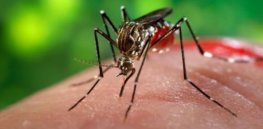
Bacteria-armed mosquitos approved for US release in fight against Zika, dengue and yellow fever
The US Environmental Protection Agency (EPA) has approved the use of a common bacterium to kill wild mosquitoes that transmit ...

EU farmers union: Glyphosate herbicide renewal dispute ‘undermines’ Europe’s scientific credibility
EU farmers’ union Copa-Cogeca has rejected the Commission’s revised proposal for a five year re-authorisation of glyphosate, claiming that such ...
Viewpoint: After Christopher Wild departure, next IARC chief must fix ‘beleaguered’ agency
With the sudden departure of IARC head Christopher Wild, here's a wish list put together by David Zaruk, who offers ...

Video: Dissecting claim that Canadian professor is a ‘Monsanto sock puppet’
The Canadian Broadcasting Corporation recently brought forth allegations that professor Peter Phillips of the University of Saskatchewan is a Monsanto ...

Combatants prepping for next skirmish in battle over CRISPR patents
The long-running battle over US patents for CRISPR–Cas9 gene editing continues. On 25 October, the Broad Institute of Cambridge, Massachusetts, filed ...

Viewpoint: ‘Gattaca’ reminds us that gene editing has dark possibilities
[Editor's note: Osagie Obasogie is a professor of bioethics at the University of California-Berkeley.] Set in the not-too-distant future, the ...

Mars missions: What would long-term space travel do to the brain?
In a NASA-funded study published on [November 1], Dr. Donna Roberts of the Medical University of South Carolina and her ...
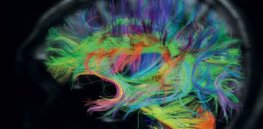
Brain studies weakened by lack of diversity in participants
[S]ocial sciences [tend] to focus on people from WEIRD societies—that is, Western, educated, industrialized, rich, and democratic. The results of such studies ...

Ancient viruses have become a permanent part of our genes
Transposons, also called transposable elements, are ancient viruses that have become a permanent part of our genes. Around half of ...

USDA scraps overhaul of GMO and gene edited crop regulations that biotech advocates viewed as ‘unscientific’
The Trump administration withdrew a proposed USDA rule change made by the Obama administration that would have been the first ...
Will herbicide drift damage push non-GMO farmers to buy dicamba-resistant seeds?
About 4 percent of all soybean crops planted in the United States have been damaged by a weed killer this ...

New Zealand farmers group drops lawsuit, paving way for local GMO bans
Federated Farmers has dropped a legal battle against rulings allowing regional councils to decide whether genetically modified organisms (GMOs) can ...

EU glyphosate herbicide ban would make weed control harder for French winegrowers
Bad weather this year has already prompted a steep drop in French wine output, contributing to a 50-year low in global ...

Viewpoint: Will Europe botch regulation of gene editing as it has GMOs?
Plant biologist: Europe's precautionary stance toward agricultural biotechnology has all but blocked the introduction of GM crops and could provide ...

GMO canola high in omega-3 oils up for regulatory approval in Australia
The first genetically modified canola with health benefits is being scrutinised by [Australia's] Office of the Gene Technology Regulator. The ...

‘Young blood’ infusions may boost cognitive abilities of Alzheimer’s patients
The first controlled, but controversial and small, clinical trial of giving young blood to people with dementia has reported that ...

Viewpoint: Challenges to glyphosate, neonic safety shows science under attack from ‘viral misinformation’
The news of scientific prejudice [in the decision by IARC stating that glyphosate was a likely carcinogen, on top of ...

Closing gap between rich and poor farmers: CRISPR gene editing targets disease, pests and climate
Gene editing technology could revolutionize the way scientists breed high-yielding drought, disease and pest resistant, quality plant seeds, greatly reducing ...

Natural insecticide created with spider venom and genetically modified yeast
Scientists have noticed the powerful punch some spider venoms pack, and have started looking to them for inspiration for all kinds ...
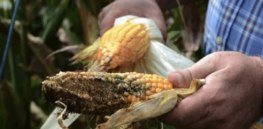
Talking Biotech: A former skeptic’s struggle to bring GMO crops to Bolivia
Educator Cecilia Gonzalez: Bolivia has had to import GMO corn from Argentina due to crop failures. Insect-resistant Bt crops could ...

Bangladesh releases high-yielding disease-resistant wheat variety to farmers
As wheat farmers in Bangladesh struggle to recover from a 2016 outbreak of a mysterious disease called “wheat blast,” the country’s National ...

Universally shared biodata could create powerful ‘internet of living things’
Imagine students in universities becoming the first “sequencing line of defense” by detecting bacteria resistant to antibiotics and educating their ...

USDA allows ‘organic’ label for soil-less farming, upsetting movement’s founders
The pioneers of the sustainable farming movement are mourning what they call the downfall of the organic program, following a Wednesday ...

Cancer treatments gain strength when linked to genomic tests and therapy
In an interview with ETHealthworld, Dr Govind Babu, Associate Professor at Kidwai Memorial Institute of Oncology, Bengaluru, discusses the rapid advancements in genomics, ...

Dicamba herbicide drift damaged 3.6 million acres of soybean crops in 25 states
A weed killer called dicamba has damaged more than 3.6 million acres of soybean crops, or about 4 percent of ...
