


Science Controversies
Are we close to a simple blood test for autism?
A new study suggests that its results could lead to a simple test for some children with autism, but statisticians ...

UK officials say they will enact ‘science-based’ biotech crop regulations
[On September 14th] the I published an article regarding the future of gene editing following a letter from 30 leading scientists to ...

Promising flu drug could be hampered by rapid viral resistance
A new, fast-acting flu drug showed strong potential but also some surprising and even concerning results in two newly published ...

Did California’s $3 billion stem cell bet pay off?
It was an extraordinary political proposal: Approve a $3 billion bond measure to fund the cutting-edge science of stem cell ...

Organic industry pushes back after allegations of deceptive marketing
The Organic Trade Association took out a full page ad in the Wall Street Journal Sept. 12 pushing back against ...

Experts press UK regulators for clarity on biotech crop regulations
The John Innes Centre is today joining a call for the [UK] government to address the implications of a European ...

USDA aims to debut ‘bioengineered’ GMO food labels by December 1
The USDA by Dec. 1 is aiming to publish a final rule on labeling food containing genetically engineered ingredients, Greg ...
‘Foot soldiers’ of disease: Plasma proteins could be key to understanding genetic risks
[Blood plasma] is the home of the “secretome,” a host of proteins that serve as inter-cell communicators. These proteins are ...

Viewpoint: Study participants should have the right to their own results
Study participants nearly always want their own results. But few get them. … The ethical concern with giving an individual ...
‘Software of life’ and why messenger RNA could be the next big thing in pharmaceuticals
“Why are we so passionate about messenger RNA?” Moderna President Stephen Hoge asked the attentive audience. “It starts with the ...

Using gene editing to improve animal welfare may calm public’s fear of biotech
Since the first genetically modified tomato hit the U.S. market in 1994, consumers have been suspicious of scientific tinkering with ...

Why curing the common cold is so difficult
The hunt for a cure for the common cold began in the 1950s, shortly after scientists discovered the primary group ...
Food companies say transparency will end public backlash against GMOs
Through the years that Okanagan Specialty Fruits worked on developing the Arctic apple — a fruit that is genetically modified so ...

Biotech experts push ‘science-based review’ of European court’s ruling on gene-edited plants
A recent ruling by the Court of Justice of the European Union (CJEU) classifies genome-edited plants as genetically modified organisms ...
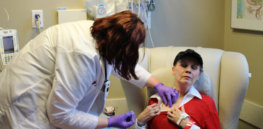
Using AI to predict evolution of cancer tumors could lead to stronger treatments
Scientists have used artificial intelligence to predict how cancers will progress and evolve, which could help doctors design the most effective treatment for each ...

‘Living medicine’: Reengineering bacteria to tackle genetic diseases
In a study carried out over the summer, a group of volunteers drank a white, peppermint-ish concoction laced with billions ...
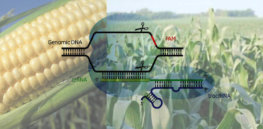
Viewpoint: When it comes to CRISPR crop regulations, Europe must trust its biotech experts
The latest ruling by the European Court of Justice requires that crops created using gene-editing techniques such as CRISPR must ...

As Uganda debates GMO safety, its scientists boost food production in neighboring countries
When Dr. Geoffrey Arinaitwe returned home after earning his PhD in biotechnology in Belgium in 2005, Uganda seemed a promising ...
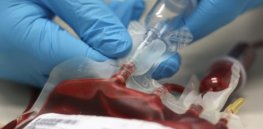
Living with hemophilia: When patients with genetic disorders don’t want to be cured
Jeff Johnson is 40 years old, and for all 40 of those years, he has been living with hemophilia. The ...
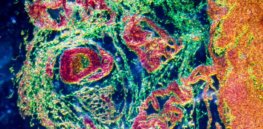
Newly discovered ‘micro-organ’ could lead to innovative vaccines
Researchers have identified a brand new 'micro-organ' inside the immune system of mice and humans – the first discovery of ...
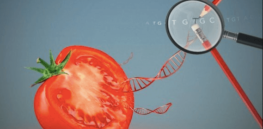
CRISPR is poised to revolutionize biotech crops if politics doesn’t block it
Back in 2016, I wrote a feature story for Florida Grower magazine on the potential of CRISPR/Cas9 to improve agricultural productivity and maybe even ...

Microdosing claims put to the test: Researchers looking at psilocybin mushrooms for depression
Microdosing involves taking roughly one-tenth the “trip” dose of a psychedelic drug, an amount too little to trigger hallucinations but ...

Boosting speed, efficiency of MRI scans with machine learning
Magnetic resonance imaging is an invaluable tool in the medical field, but it’s also a slow and cumbersome process. It ...
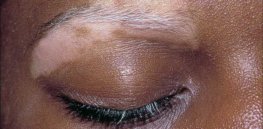
Quest to fight skin cancer with machine learning may have a diversity problem
As the rates of melanoma for all Americans continue a 30-year climb, dermatologists have begun exploring new technologies to try ...

Seeking a new path for FDA regulation of revolutionary medical treatments
Researchers are developing therapies that could permanently alter a patient’s genes... . The early results are promising. Patients would live ...
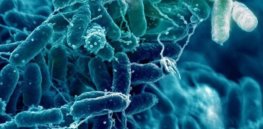
Gut microbes could be the key to universal blood
Blood transfusions must match the blood type of a donor to that of the recipient; otherwise, the recipient’s immune system ...
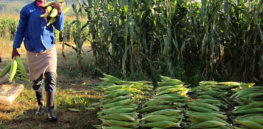
CRISPR gene editing could improve crops, animals in Sub-Saharan Africa, but public education is key
.... (CRISPR) technology has enabled genetic engineering feats previously considered impracticable, offering great hopes for solutions to problems facing society ...
