


Daily Food & Ag Digest
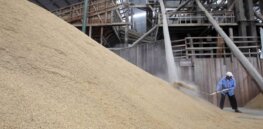
CRISPR gene editing shown to increase corn and rice yields
A team of researchers affiliated with a large number of institutions in China and one in Germany has found that ...

Umami: A fifth basic human taste has been identified. Here’s what it does
Things are never simple. For generations, textbooks have stated there are four basic tastes — bitter, sweet, sour and salty ...

Video: Food fight — Inside the battle over public perception of GMOs
Imagine being able to prevent childhood blindness with rice. No, this isn’t a biblical miracle. It’s the reality of genetically ...
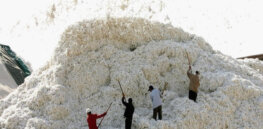
Bt cotton gives Kenyan farmers a reason to smile again
“Wow, wow.” I couldn’t stop saying wow as we caught a first glimpse of a field covered with what appeared ...
Is artificial intelligence the future of healthy eating?
DayTwo is just one of a host of apps claiming to offer A.I. eating solutions. Instead of a traditional diet, ...

The Netherlands positions itself to become Silicon Valley of cultured meat
The Dutch government has approved cultured meat tastings in the Netherlands for the first time, in a move local industry ...

Podcast: Tuskegee plant scientist on how outdated environmentalist ideology blocks biotech-led new Green Revolution
In the third episode on power in the food system, we speak with Channa Prakash, professor of crop genetics, biotechnology and ...
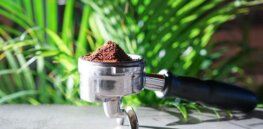
Viewpoint: No, coffee is not ‘steeped in pesticides’ or filled with bugs and mold
Myth #1: Conventional coffee is steeped in synthetic fertilizers and pesticides Truth: First off, this is something that is being ...

Love organic sweet Ruby Red grapefruits? Did you know it’s one of thousands of plants developed by shooting gamma rays at seeds?
You may be amazed to hear that some of the ‘natural’ foodstuffs you eat today may have also originated from ...

Video: As medicine and agriculture increasingly embrace gene editing, should the public be concerned?
Technologies such as genetic modification and ‘CRISPR’ will cure hereditary diseases, produce disease-resistant crops and enable the breeding of malaria-free ...
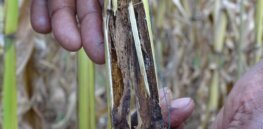
Ugandan field trials demonstrate significant economic benefits for farmers growing insect-resistant Bt maize
African scientists have demonstrated that genetically modified Bt maize offers much higher yields and better pest resistance than conventional varieties ...
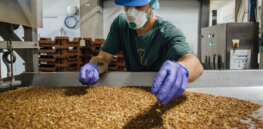
Breeding a tastier bug: Insect farming may not replace crops and livestock, but they have a bright future in the food chain
Christine Picard's search for a better bug to feed the world starts with dead bodies. Well, not the corpses themselves, ...

With war raging in the Ukraine, UK farmers reconsider GM crops to meet growing yield and sustainability demands
[A]s the world grapples with the impacts of Russia’s invasion of Ukraine, “it has actually become pretty frightening times for ...
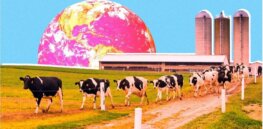
Viewpoint: How transparent are global meat and dairy companies in disclosing their impacts on climate change?
Last fall, the National Cattlemen’s Beef Association (NCBA) took out a full-page ad in The New York Times declaring that the U.S ...
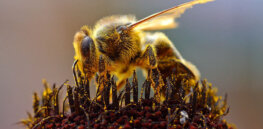
Viewpoint: How do pesticides impact bees? Influential University of Illinois entomologist Mae Berenbaum calls for approvals to include pre-release real-world monitoring
Whether a pesticide is toxic to bees or not would seem to be a straightforward question, easily resolved in science ...

Oxitec successfully concludes Brazilian field trial of self-limiting fall armyworm developed to protect insect-resistant Bt corn
Oxitec has completed the first farm-scale pilots of Friendly™ fall armyworm on thousands of hectares of commercial corn in Brazil’s ...

Believing shipment was GMO crops, anti-technology organization ‘Extinction Rebellion’ illegally dumps 1,5000 tons of conventional wheat intended to feed poultry in countries hard hit by Ukrainian war
The image is distressing: an entire train stopped in the middle of the track, its ripped sides spilling 1,500 tons of ...

Could the war in Ukraine spark a global food crisis?
A crucial portion of the world’s wheat, corn and barley is trapped in Russia and Ukraine because of the war, while ...

Video: What would a world without herbicides look like? Purdue’s Jayson Lusk addresses how biotechnology can address climate change and reduce food insecurity
Pesticide shortages, increased labor costs, and transportation bottlenecks are raising the cost of food across the EU. With war roiling ...
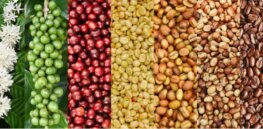
Genetics research boosts response to disease plaguing Hawaii’s coffee crop
As the only state that produces coffee, including the iconic Kona variety, Hawaii growers and agricultural officials were alarmed when ...
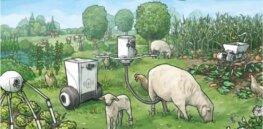
Future farming to feed 10 billion: Moving from chemical to biological era of agriculture
”We cannot feed 10 billion people in a sustainable way using the current production systems. We can’t. We need to ...
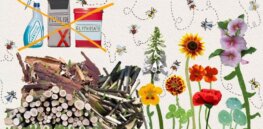
Viewpoint: Why we should think twice about reflexively banning agricultural pesticides
Is banning pesticides in the public’s best interest? The answer is an emphatic yes when the science indicates that exposures ...
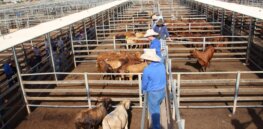
Viewpoint: Beef farmers, under fire from sustainability critics, make their case
Around the world, the beef industry is the subject of a growing ethical debate. Many people seem to think that ...
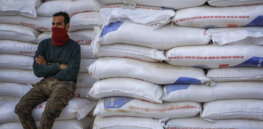
How the Russian invasion of Ukraine is stirring global food insecurity
Consumers around the world will feel the “enormous impact” of Russia’s war on Ukraine through sharply higher food prices and ...

Viewpoint: Is cell-based meat science or a billion-dollar con?
Almost a decade since the unveiling of the first lab-grown burger, no business has been able to make it commercially ...
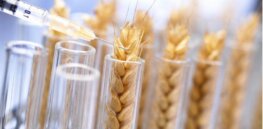
Ukraine conflict spurs food concerns in China, renews push to embrace crop genetic engineering and other yield boosting tools
Food security and self-sufficiency have long been high on the agenda of Chinese policy makers. Russia’s invasion of Ukraine gives Beijing ...

Ukraine crisis prompts Europe to rethink Green Deal Farm to Fork policy, move away from organics to achieve sustainability goals
According to the "Green Deal",with which the European Union wants to become climate-neutral by 2050, only half as many pesticides and ...
