



Daily Food & Ag Digest
Viewpoint: With more than 70 countries producing GM foods, it’s time to get beyond tired debate over technology and embrace innovation
Transgenics began nearly three decades ago in world agriculture with the aim of increasing agricultural productivity. In other words, produce ...

How can we produce more food with less environmental impact: Book review of ‘The Economics of Sustainable Food’
Aimed at the army of advocates, activists, and policymakers engaged with food and agricultural politics, [Nicoletta] Batini hopes that The ...
Viewpoint: Are the EPA and other regulatory agencies dragging their feet by not restricting glyphosate weedkiller?
Are the EPA and big agricultural groups defending glyphosate because they need to maintain business as usual? Should the public ...

A second Green Revolution: How gene editing could revolutionize photosynthesis and transform agriculture
Stephen Long is a professor of plant biology and crop sciences at the University of Illinois Urbana-Champaign and the director ...
Viewpoint: If Kenya relents to activist pressure and bans pesticides, coffee, maize and wheat farmers could lose up to 90% of crops
Coffee, maize and wheat farmers could suffer up to 90 per cent in yield losses if the government bans popular ...

Viewpoint: ‘Slow food’ movement remains an aesthetic model for the elite — and doesn’t produce a sustainable food system
There is something especially sinister about telling people that the way to eat healthfully, morally, and sustainably requires more work — especially ...

‘It will be a wonderful day when these potatoes get into the hands of farmers’: Uganda develops genetically engineered disease-resistant version of the country’s most important crop
Late potato blight is the most destructive potato disease in the world costing developing countries USD 10 billion every year. This CIP@50 story digs into a new rapid-fire approach to potato breeding that makes farmer-favorite ...

Lab-based foods are poised to change what we eat — but ethical and regulatory hurdles lie ahead
The forces driving the synthesized meat movement are practical. Modern agricultural systems are helping destabilize Earth's climate and ecosystems, while extreme ...

Viewpoint: Regenerative farming modeled on organic agriculture could reduce greenhouse gas emissions, pro-organic study claims
A recent study by Bain & Company and Nature United, the Canadian affiliate organization of the Nature Conservancy, shows that transitioning to regenerative farming techniques ...
How epigenetic tweaks can increase corn and soybean yields
Through a field of science called epigenetics, [Sound Agriculture's On-Demand Breeding] platform increases or reduces expression of existing genes in ...
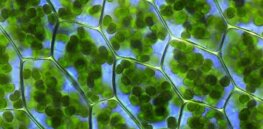
Viewpoint: Engineering biology — Which agricultural innovations are driving sustainability?
“Canada is one of a few global net exporters of food and a leader in sustainable production; agri-innovation is driving ...
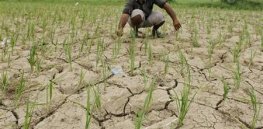
UN Food and Agriculture Organization notes worsening soil and water health, says agri-food systems could help reverse trend
The Food and Agriculture Organization of the United Nations (FAO) [December 9] launched a landmark report highlighting the worsening state ...
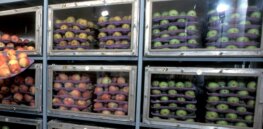
High-tech ethylene sensors can protect apples and significantly reduce food waste
Every fall, apple growers gather billions of apples, rush them into storage, seal the airtight doors and wait until harvest ...

Scientists seize ‘once in a decade’ opportunity to advocate for genetically engineered trees
Nearly 700 scientists from across the globe have signed a petition urging the Forest Stewardship Council (FSC) to allow genetically engineered ...

Does the Democrats’ ‘Build Back Better’ plan adequately address agriculture and climate change challenges?
With the $27 billion directed towards agricultural conservation, combined with about $2 billion for agricultural research, the current Build Back ...
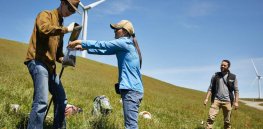
Viewpoint: ‘Agriculture is the only carbon emitting sector with the potential to become a net emissions sink’
Of the major emitting sectors, agriculture, forestry, and other land use (AFOLU) is currently the only one with serious potential ...

Viewpoint: ‘The strength of US agriculture is that we have many diverse production systems’ — How organic agriculture and biotechnology can coexist
The debate about GMO safety and sustainability is ongoing, but one fact remains: food security is paramount. Does the absence ...

Viewpoint: Will the US endorse this Congressional proposal to adopt Europe’s innovation-stifling ‘precautionary principle’ regulation?
A new bill supported by environmental organizations and co-sponsored by progressive lawmakers Sens. Elizabeth Warren (D-MA), Bernie Sanders (I-VT), and ...
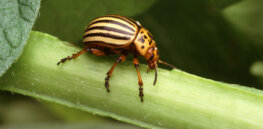
Viewpoint: Scientific American article claiming pesticides harm beetles and earthworms is ‘more hype than substance’
I picked up a Scientific American that came last August and thumbed my way to page 12, where alarm bells ...

Nigeria needs biotechnology to weather climate change impacts on farming, say West African scientists
Agricultural biotechnology will help Nigeria respond to climate change issues and support food security, asserts a new study by West ...
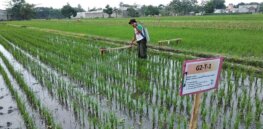
4 million tons of rice is destroyed each year to flooding in Southeast Asia. This genetically-engineered rice variety could limit losses
Global rice production will likely be hit by the devastating effects of climate change as early as 2030, according to ...

Yearning for self-reliance and wary of imports, China edges closer to bucking wary public and embracing GMOs
Although GMOs have gained widespread acceptance elsewhere in recent years, Chinese consumers remain deeply opposed to them, and the government ...

The world’s most popular banana variety is under threat of extinction — and genetic engineering solutions are blocked. Here are alternatives.
Since the 1990s a new strain of the fungus TR1 (or panama disease), which wiped out the Gros Michel banana ...

No bones, no scales, no waste: Is that enough to convince consumers to eat cultured, cell-based seafood?
Cell-based seafood—derived from commonly consumed fish (for example, salmon and tuna) or shellfish (for example, crustaceans such as shrimp and ...
Viewpoint: ‘Plant breeding innovations help ramp up food production while making farms more climate resilient, profitable, and environmentally friendly’
One in four people globally, and rising, are unable to afford a healthy diet. COVID-19 has exacerbated this trend by disrupting food ...

Red-fleshed apples: The story behind the genetic anomaly with health and nutritional benefits
To an unsuspecting consumer, these delicate apples could easily be mistaken for the commonplace Gala or Braeburn varieties. But inside, ...

Viewpoint: How can we ensure disease-resistant CRISPR livestock are treated ethically?
Powerful gene-editing techniques have the potential to improve modern farming by making animals resistant to heat and disease, reducing methane emissions and ...
