


Daily Food & Ag Digest

The perfect grain for the perfect beer: How CRISPR could improve barley crops
Using CRISPR/Cas9 technology, scientists develop and study gene-edited barley that resists pre-harvest sprouting. After a spell of unexpected rain, before ...
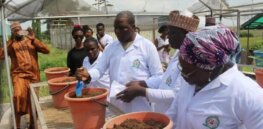
Viewpoint: Nigeria needs biotechnology to rescue itself from ‘primitive agricultural practices’
As Nigeria struggles to address the increasing food challenge by its citizens, the director general, National Biotechnology Development Agency, Prof ...

Viewpoint on sustainable fishing: Oft-maligned aquaculture offers range of environmental and production benefits
With the U.S. importing 90 percent of the seafood we eat, it’s clear that wild capture fisheries alone can’t meet ...

Crop extinction crisis? 50% of India’s produce varieties are at risk
Crop and varietal diversity are critically important for global food and nutrition security, as well as the livelihoods of millions ...

What do crop gene editing regulations look like across the globe?
To determine the global regulatory landscape, [an article by the Norwegian University of Life Sciences] focused on the regulations of ...
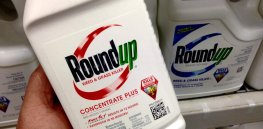
California court upholds $86.2 million settlement against Bayer for alleged damages caused by Monsanto’s Roundup weedkiller
The state Supreme Court rejected a challenge by Monsanto Co. on [November 17] to $86.2 million in damages to a ...

Seed Speaks Video: ‘Farmers are inherently sustainably minded’ — Agriculture is often unfairly criticized as a carbon polluter yet technological advances have dramatically reduced climate change impacts
For decades farmers and others working in agriculture have worked hard to implement practices to make their farms more sustainable ...

Cacti and other succulents provide a genetic blueprint for scientists engineering climate-resilient crops
Geneticists have long tried to understand the biochemical marvel of the succulent, and there is still much they don’t know ...
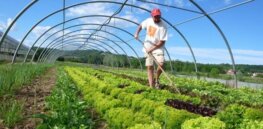
Can we feed the world with just organic agriculture? No, says pro-organic Swiss agronomist
The earth has to feed more and more people. Can that only work with organic farming? “No,” says Urs Niggli, ...
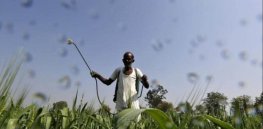
Seed Speaks Video: Getting beyond the myth that synthetic pesticides do more harm than good
With questions about sustainability and safety from consumers, and efficacy and longevity from farmers, pesticides have many questions that need ...

Battle royale in Europe over agricultural genetics
In an op-ed published in October, French Agriculture Minister Julien Denormandie said it is now necessary to launch the “third ...

Climate-resilient desert crops: New generation of hardy seeds optimized for harsh environments
While thirsty crops like alfalfa and corn dominate the region, [farmer Laura] Parker has emerged as a leader in revitalizing ...

Journal article: ‘Sustainable intensification’ — Why high-yield farming may offer best solution to meet ecological and consumption demands
How to feed, house, clothe and power 11 billion of us without eliminating very many species and wrecking Earth's climate ...

Replacing chemical pesticides? Sprays made from RNA may be the next generation of plant pest control
The downsides of existing fungicides and pesticides are well-known: Residue from the sprays can build up in the environment and ...

Opinion: African farmers can benefit from co-existence of agroecology and biotechnology
Can agroecology coexist with modern agricultural technologies? What is the reason for the fight against genetically modified (GM) cowpea or Golden Rice when the world’s ...

Animal or vegetable? Stroke risk linked to type of fat in your diet
Fat in the diet has long been linked to stroke risk, but new research presented [November 8] suggests that it’s ...
EPA concludes three commonly-used herbicides can harm endangered species and their habitats
The Environmental Protection Agency has finalized biological evaluations concluding that three common herbicides can adversely affect endangered species or their ...
More for less: Biotech approach increases rice yields with fewer nitrogen inputs
On a hypothetical culinary tour around the globe, sampling the classic dishes of the world, one would be hard pressed ...
Viewpoint: Monsanto doesn’t control Mexican farmers’ seed choices — activist groups do
For the last 25 years I've listened to the tired argument that Monsanto controls farmer seed choice. Over and over ...
EU’s Farm to Fork Green Deal could hurt South African agriculture unless production adjustments are made
The European Union – among a host of other countries – is seeking to implement urgent policy measures to combat ...

Once an ardent GMO promoter, Soylent no longer touts the role of genetic engineering in making its drinks
Few food companies over the past decade have voluntarily promoted the use of genetic engineering on their labels. After all, ...
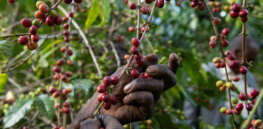
How climate change is impacting the future of coffee
According to a 2014 study, under modest declines of greenhouse gas emissions, about 50 percent of the land with conditions ...
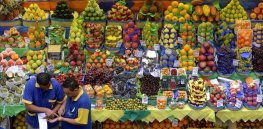
Food prices have increased by 33% worldwide and costs are continuing to rise. How can we boost productivity to feed a growing population?
The FAO food price index has increased 32.8 per cent from September 2020 – food prices globally have increased by ...

Can ‘indigenous’ and GM seeds co-exist in Africa?
It’s high time farmers in the developing world are given access to the improved seeds and agricultural innovations that have ...
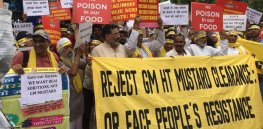
India has only approved one GM crop — insect resistant Bt cotton. When will a new generation of genetically-enhanced plants arrive?
Eminent agriculture scientists and experts wrote to the Karnataka government [October 26] seeking permission to conduct Biosafety Regulatory Level 1 ...
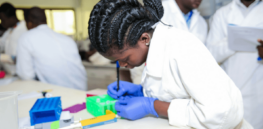
African scientists call for policies to support synthetic biology and other innovative technologies
Scientists in Africa are calling on the continent’s leaders to enact policies and other laws that can facilitate adoption of ...
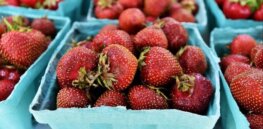
Over a third of strawberries harvested are discarded due to their short shelf life. Here’s how CRISPR could help them last longer
More than a third of all fresh strawberries that consumers buy end up getting tossed out because they're bruised, moldy ...
