


Daily Food & Ag Digest
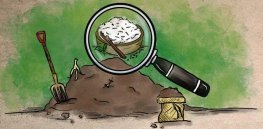
CRISPR gene-edited rice could help soil bacteria produce nitrogen fertilizer. Here’s how it works
Researchers have used CRISPR to engineer rice that encourages soil bacteria to fix nitrogen, which is required for their growth ...
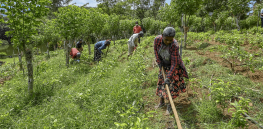
Video: Lessons from Sri Lanka — Embracing organic farming methods from the 19th century collapsed an entire economy
Whether it's agriculture or industry, production systems will never go back to the past. Sri Lanka, the small island country, ...

GM crops likely to get a lift in Kenya with Ruto as President
Kenya’s efforts to expand agricultural biotechnology received a major political boost today with the election of Dr. William Ruto as ...
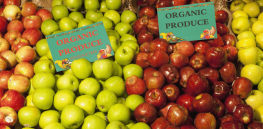
Viewpoint: GM vs organic crops — How to feed the world without destroying it
There are more and more people in the world who are getting richer and are therefore eating more and more ...

Viewpoint: Ordinary African farmers should not be blocked from technologically-advanced agricultural solutions helping the rest of the world
Besides the long drought making food production difficult there are crop pests and diseases that are steadily wiping out staple ...
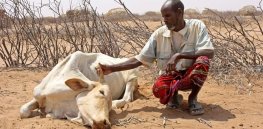
Kenyan farming experts urge permanent lift of GM ban to address animal feed shortage
Punitive local tax regimes, technical restrictions, challenges in access to foreign currency and logistics disruptions — most of these exacerbated ...

Viewpoint: ‘We need to reduce imports’ — Colombian food security proponents urge expanding GMO crops to reach food sovereignity goal
During his inaugural speech, President Gustavo Petro stated that “Colombia is a country that must and can enjoy food sovereignty ...

Dutch farmer viewpoint: ‘Green activists want to destroy the ability of farms to produce high-quality, abundant, clean, and inexpensive food’
Over the past few months, thousands of Dutch farmers have blocked highways and staged protests. Hundreds have been arrested, and ...

Viewpoint: How anti-crop chemical activists are weaponizing the Endangered Species Act to block use of safe and effective pesticides
The EPA is supposed to perform so-called biological evaluations for each and every pesticide registered under FIFRA. Practically speaking, the ...
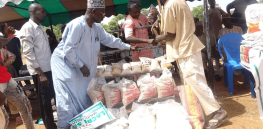
Nigeria: Learn from our experience with GMO crops
Nigerian leaders are urging other West African nations to adopt genetically modified cowpea given their own success with the crop ...
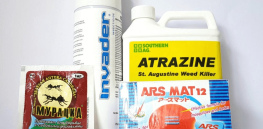
Viewpoint: EU hypocrisy — Europe bans atrazine weedkiller, but continues to produce and market it to Africa
Atrazine is a toxic herbicide banned on the European market, but paradoxically produced by European industries and intended for the ...
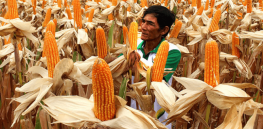
Facing low corn and soybean yields, Vietnam looks to genetic engineering to increase food security
Vietnam is dependent on imported feed materials because our corn and soybean yield is low, production costs are high, and ...
Glyphosate re-approved for Sri Lanka import as country attempts to recover from failed organic-only experiment
The Finance Ministry has lifted the import ban on the popular weedicide glyphosate with effect from August 5 while allowing ...

GMO Golden Rice tale of two countries: Philippines on track for fall sales while Bangladesh falters
A year after regulatory approval, the Philippines has started transplanting Golden Rice this wet season, becoming the first country in ...

Study: No link found between parental exposure to pesticides and childhood cancer
Maternal or paternal exposure to pesticides does not appear to be associated with increased risks for childhood cancer, according to ...

Viewpoint: ‘Precipice of a food security catastrophe’ — Re-shaping agriculture to fit the prejudices of urban perspectives could have dire global consequence
For many Canadians, crop production is an unknown concept. Because of this, it’s relatively easy to use fear to influence ...

Gene-edited rice can naturally fix nitrogen in the soil, vastly reducing the need for chemical fertilizers
Renowned botanist Eduardo Blumwald, professor at the University of California, and his team have found a new way to give cereal crops ...
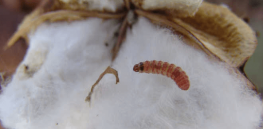
Researchers ask Indian farmers to halt use of government-developed genetically modified Bt cotton use after bollworm pest scare
It is the end of the road for the country’s first genetically-modified Bt cotton seed variety developed by a public ...

Charles Benbrook’s Heartland Health Research Alliance under sharp questioning as high-paid expert-litigant-witness-for-hire in latest glyphosate cancer trial
In a trial accusing Monsanto maker of the weed killer Roundup of causing the cancers of three people, defense attorneys ...

Viewpoint: ‘Not even borderline dangerous’ — Activist groups stir fears of micro-traces of glyphosate in breast milk
For several years, rumors have been circulating online and through society concerning the presence of the weed killer, glyphosate (trade ...

Investigation Part II: Fraudulently marketing ‘organic food’ offers huge illegal rewards for growers
Over the roughly six years Anderson bought conventionally grown grain and fraudulently sold it as organic at a huge profit, ...

Investigation Part I: Growing fraud threatens trust in organic food industry, says South Dakota News
Kent Duane Anderson of Belle Fourche made $71 million in fraudulent income by selling thousands of tons of conventionally grown ...

Viewpoint: ‘Regenerative agriculture’ could lead the way in feeding the world — but to fulfill its potential it needs to embrace biotechnology
The use of technology - such as AI - in regenerative agriculture is key. Biotech is also increasingly creating potential ...

Here’s how GMO cowpea would transform the lives of Ghanian farmers
Maruca pest is a key challenge that renders cowpea production unattractive. The larvae infest the flower buds, flowers, and the ...

Another knock on processed food? New study suggests excessive amounts could feed cognitive decline
Eating highly processed foods like instant noodles, sugary drinks or frozen meals may be linked to a faster rate of ...

Exotic animals are off our plates for ethical reasons, but cell-cultivated meat could make cruelty-free substitutes a reality
London-based company Primeval Foods focuses exclusively on cultivating exotic meats, such as lions, tigers, and zebras. Similarly, the Australian company Vow Foods ...
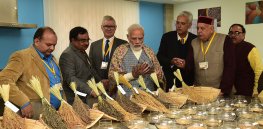
India likely to see drought-resistant CRISPR gene-edited rice by 2026
A drought-resistant rice variety developed through the application of genome-edited technology for the first time in India, and is expected ...
