


Daily Human Digest

How does space change your genetics? Astronaut twins Scott and Mark Kelly explain
[Editor's note: Astronauts Mark and Scott Kelly -- the only twins who have traveled in space -- offer observations on ...

Despite what Disney movies want us to believe, opposites don’t usually attract
[T]he idea that opposites attract has completely saturated the film industry...In fact, one study found that almost 80% of us ...

Human skin, brain and bone cells grown on plants offer path for tissue implants
To grow clusters of human stem cells that mimic organs in the lab and might be used someday in tissue ...
Homo Evolutis: Will modern humans evolve even further?
[Editor's Note: Juan Enriquez is a researcher, and entrepreneur who has been studying the widespread implications of genomics and other ...
Could life on Earth have started without the ‘fundamental’ periodic elements?
Biologists have traditionally assumed that [carbon, hydrogen, nitrogen, oxygen, phosphorous, and sulfur] were prerequisites, as each one is found in ...

Diabetes: Origins and treatments undergoing revolutionary rethink?
New research suggests that type 1 diabetes might not be directly autoimmune in origin, and that tracking blood glucose might not ...
Testing Zika on consenting humans: Were ethicists right to get in the way?
This was the proposal: Deliberately infect a small group of consenting adults with the Zika virus to learn about the ...
Obesity can be triggered by more than 70 ‘rare’ genetic syndromes
While scientists have been aware of about two dozen genetic conditions that can cause obesity, a [recent study] finds there are ...

Genetically selected people? ‘Polygenic scores’ could soon be used to guide human breeding
Today, for about $100, anyone can receive a million bits of information about their own genetic makeup from a company ...

Heart-pounding vegetables? Heart tissue grown on spinach may lead to organ regeneration
One of the biggest obstacles in the field of organ regeneration is scaling up production from tiny samples in a ...

Unique in our own unique way: Human genomics reveal wider range of variations than we imagined
It’s often said that humans are 99.9% identical. and what makes us unique is a measly 0.1% of our genome ...

Astronauts may need to tweak their DNA in order to survive, colonize Mars
[W]hile making the trip [to Mars] could be technologically feasible in the next decade or two, are humans really physically ...
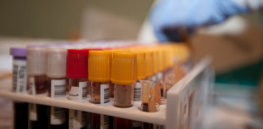
No need for ‘young blood’? Old blood can be rejuvenated using stem cells
Young blood is being trialed as a treatment for conditions like Alzheimer’s...But these studies rely on young people donating their ...
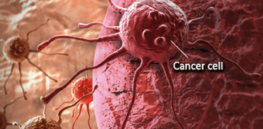
Pure bad luck? Two-thirds of cancer mutations may come from random DNA errors
[In the past, a controversial claim was made that] “bad luck,” more than environmental factors or inherited genes, affects whether someone develops ...

Is it time to abandon the 14-day rule limiting human embryo research?
[A] group of Harvard University scientists has published a paper arguing that it is time to reconsider the 14-day rule ...
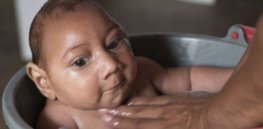
Houston area may be test zone for genetically modified mosquitoes in Zika fight
Officials are considering releasing genetically modified mosquitoes in Houston as part of the fight against the insects known to carry ...

Epigenetics Around the Web: Avoid Craigslist for epigenetics advice; Engineering superhumans
Futurism's claims about the potential of epigenetics to create superhumans are about as scientific as a superhero comic book...and other ...
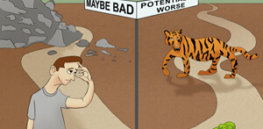
Why some people make stupid choices? Genetics may hold the answer
The premise of the Darwin Awards, [which are annually given to those who "improve our gene pool by removing themselves from it",] ...

Your gut bacteria could alter how well your chemotherapy treatment works
Researchers from the UK have just reported that the gut microbiota plays a role, both directly and indirectly, on the ...

Promoting ‘genomic literacy’ could bridge gap between scientists and public
[Editor's note: Gillian Tett is the US managing editor of the Financial Times.] As I toured one of the laboratories ...

What one boy’s ‘Lazarus-like’ recovery tells us about the future of bio drugs
Shortly after Cameron Harding’s one-month check-up, his mother, Alison, saw that her newborn seemed to stop moving. She’d unwrap him ...

Unreliable science? Scores of mice studies may be tainted because of standard handling practice
Scores of scientific studies based on mice are being called into question because their behaviour is affected by the way ...

Age of Alzheimer’s onset accurately predicted by test of 31 genetic markers, study finds
Scientists have developed a new genetic test for Alzheimer’s risk that can be used to predict the age at which ...
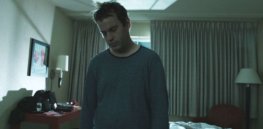
Evolutionary survival mechanism ‘gone-awry’ likely source of sleep walking
Recent research from Stanford University shows that up to 4 per cent of adults might have [walked in their sleep] ...

Injection with own stem cells alleviates chest pains, angina, study finds
A non-surgical treatment that uses a patient’s own bone marrow stem cells to treat chest pain or angina improved both ...

Cancer’s weak spots identified with CRISPR, gene editing
A UC San Diego-led research team has put the hot gene-editing technology CRISPR/Cas9 to a novel use, finding more than ...

Fatty acids: How do all those omegas affect your health?
Omega 7 fatty acids are suddenly the rage in health circles. They are found in macadamia nuts, certain meats and ...
