


Daily Human Digest

Proposed release of bacteria infected mosquitoes not as controversial as GM mosquitoes
Every Wednesday and Friday, members of the Clovis Mosquito Abatement team pick up a box from the post office, shipped ...
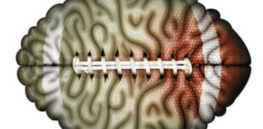
Could scientists one day predict when people are at risk for brain trauma?
A small, yet promising, brain trauma study may someday lead to a time when doctors can forecast which patients who ...

Were Neanderthals smarter than we originally thought?
Neanderthals modified their survival strategies even without external influences like environmental or climate changes, according to an analysis using carbonate ...

Pioneer company in genetic cancer testing criticizes rivals with claims of inaccuracies
No company has had a more profound impact on inherited breast and ovarian cancer than Myriad Genetics. Its DNA test ...

Have we discovered the genetic mutation linked to increased risk for early-onset Parkinson’s?
Parkinson’s disease is caused by the deterioration of nerve cells in the brain, but it's still not clear what causes ...

Could women with mitochondrial diseases prevent passing them onto their children?
A technique that could allow women with mitochondrial diseases to have healthy children showed promise in a group of four ...
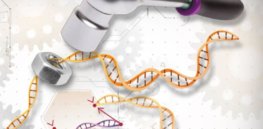
US next in line to test CRISPR gene editing technology on human cells
You probably know about CRISPR-Cas9. It’s the recently developed method for genetic engineering that’s brought costs down by 99%, and ...

Epigenetics Around the Web: Should theory of evolution expand to include epigenetics?
Epigenetics around the web is a weekly roundup of the latest studies and news in the field of epigenetics. This ...

Why genetic engineering is blocked from eradicating ‘world’s deadliest killer’—disease-carrying mosquitoes
A GMO mosquitoes that could eliminate disease-carrying wild ones has succeded in field trials in the Caymans, Panama, and Brazil ...
Building “genetic circuits” in cells could kill tumors by depriving them of oxygen
Imagine having cells in your body that can actively repel cancer in a way that makes it theoretically impossible for ...

High achievers tend to marry people with similar DNA
While it is well known that humans mate assortatively in relation to education - people with similar education levels marry ...

Knowledge of genetic disease risks seldom leads to lifestyle changes
In a randomized controlled trial, people who learned their genetic risk of developing type 2 diabetes did not appear to ...

Evidence shows breast cancer screening lacks clear cut-off age
There is no clear cut-off age to stop breast cancer screening, according to a new analysis which adds support for ...

CRISPR can now modify genes at any stage of cell development in every tissue in the body
Wellcome Trust Sanger Institute and University of Cambridge researchers have created sOPTiKO, a more efficient and controllable CRISPR genome editing ...
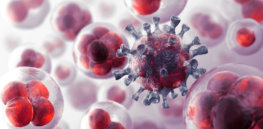
Cancer can emerge from changes to epigenome, not just gene mutations
Doctors’ ruling perspective on cancer has been that it is caused by a series of genetic changes. However, a team ...

Complex equation: How important are genetics in determining math skills?
What role does genetics play in determining mathematical aptitude? A cursory search will turn up articles claiming that genes account ...

Non-African humans may carry harmful Neanderthal genes that lower fitness
The Neanderthal genome included harmful mutations that made the hominids around 40% less reproductively fit than modern humans, according to ...

Race doesn’t exist: What this claim really means in regards to science
No biologist denies that there are real genetic differences among human groups...We all agree that race exists, we just differ ...
What you eat influences which genes your gut microbes switch on and off
New research provides further evidence of the important role that gut microbes play in health - by revealing they alter ...
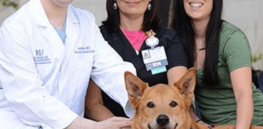
Dogs emerging as new model to research cancer cures for humans
The growing interest in dogs reflects researchers’ frustration with the standard approach to developing cancer treatments: testing them in lab ...

Gene linked to binge drinking might help treat alcoholism
The ability to stop drinking when you're feeling tipsy or drunk comes easier to some than others. An international research team from ...
CRISPR’s ability to treat blood disorders illustrates potential as medical therapy
[T]he jury’s still out on whether Crispr will be as transformative as a medical therapy as it has been as ...

Theory behind Alzheimer’s cure remains credible even after drug trial failure
A drug that was seen as a major test of the leading theory behind Alzheimer’s disease has failed in a ...

Environmental groups to sue FDA over plan to release Zika-fighting GMO mosquitoes
A coalition of environmental groups is threatening to sue the federal government over the U.S. Food and Drug Administration greenlighting ...

Blood transfusions from young people unlikely to have much-hyped anti-aging effects
The author of a study published [Nov. 22] cautioned against the idea that transfusions of “young” blood can reverse the ...

Should people with risky lifestyles be held accountable when their health turns poor–and costly?
Within the last couple of decades, more and more research have shown a number of diseases, such as type 2 ...

Blocking science from “meddling” in human genome allows harmful genes to damage children
CRISPR-Cas9 will make it be possible for parents to ensure that mutations such as Huntington’s disease...are eliminated from their children’s ...
